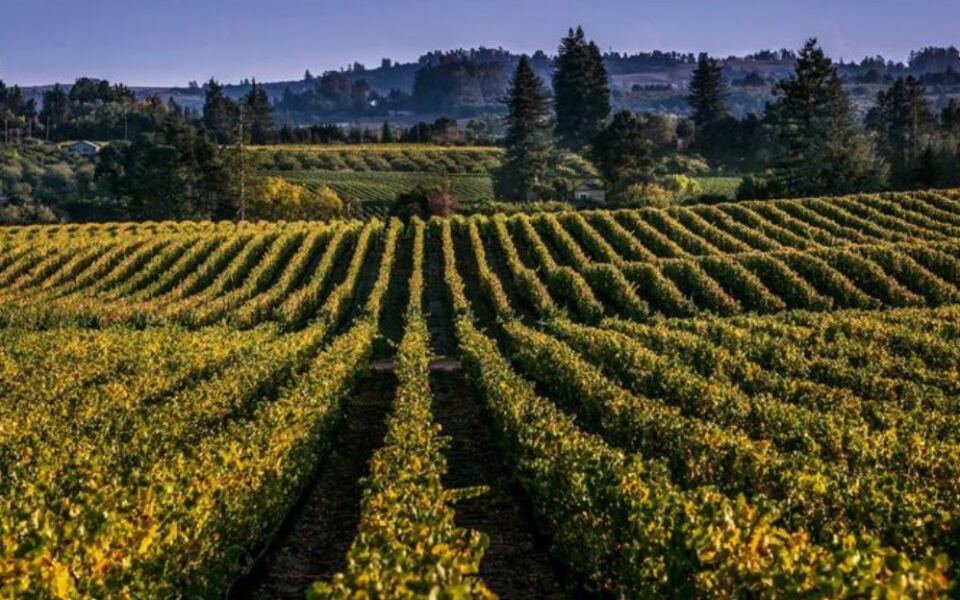
Croquet lawns share the spotlight with vineyard rows at a California estate known for its connection to Burgundy. That pairing gives the property a playful side, and I like how it makes room for more than agricultural scenery.
The grounds sit within the Russian River Valley, where Pacific weather helps shape the growing season. Burgundy provides a useful comparison, though the landscape has a Northern California identity that deserves attention on its own.
You can approach the place through its farming, its outdoor setting, or the surprisingly serious game played on those lawns. I believe that mix makes a stronger reason to visit than any borrowed nickname ever could.
Before making plans, check which experiences are available for your date and what each reservation includes. The intriguing part is how much there is to notice beyond the rows.
1. The Burgundy Connection Comes With a California Accent
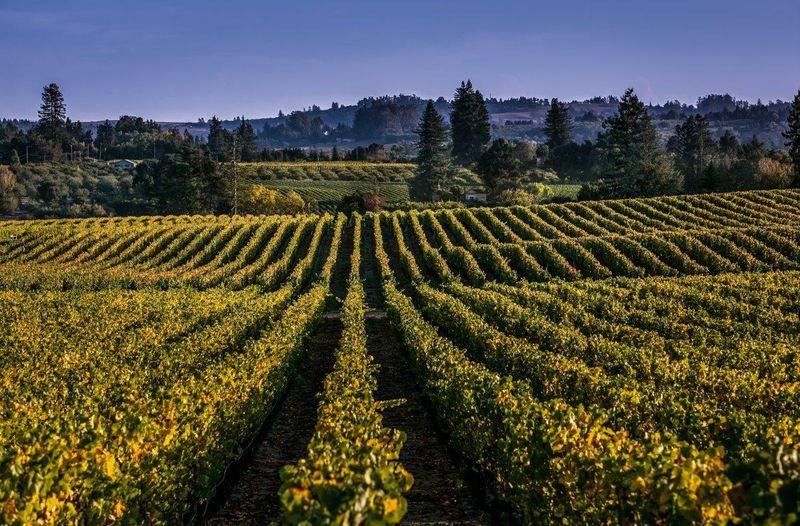
A French comparison can start the conversation, but Sonoma-Cutrer Vineyards deserves more than a borrowed identity. Its home in California’s Russian River Valley provides the clearest starting point for understanding the property.
The Burgundy connection refers to agricultural traditions, growing conditions, and an emphasis on the character of individual sites. It does not mean that this part of Sonoma County copies a French landscape exactly.
That distinction matters when a catchy nickname starts doing more work than the facts behind it. Treat Burgundy of the U.S. as an informal comparison, not an official regional title or designation.
You can make the idea more useful by asking how weather, soil, and farming decisions shape this estate. Those questions reveal much more than simply deciding whether two places look alike in photographs.
I like comparisons best when they open a door rather than finish the whole explanation. Here, the interesting story belongs to a particular property within a much larger agricultural region.
Give yourself permission to appreciate the California setting on its own terms when planning your visit. France can supply the reference point without taking over the entire conversation about the place.
2. Those Croquet Lawns Deserve Your Attention
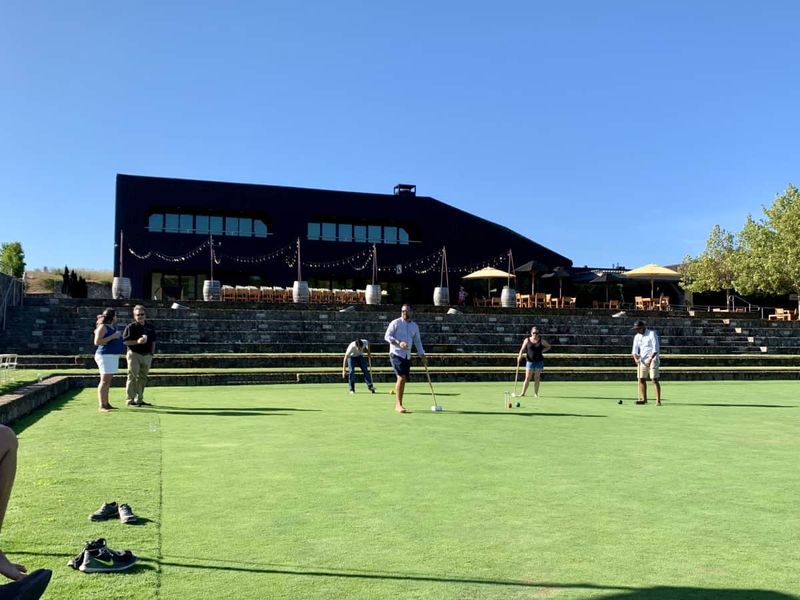
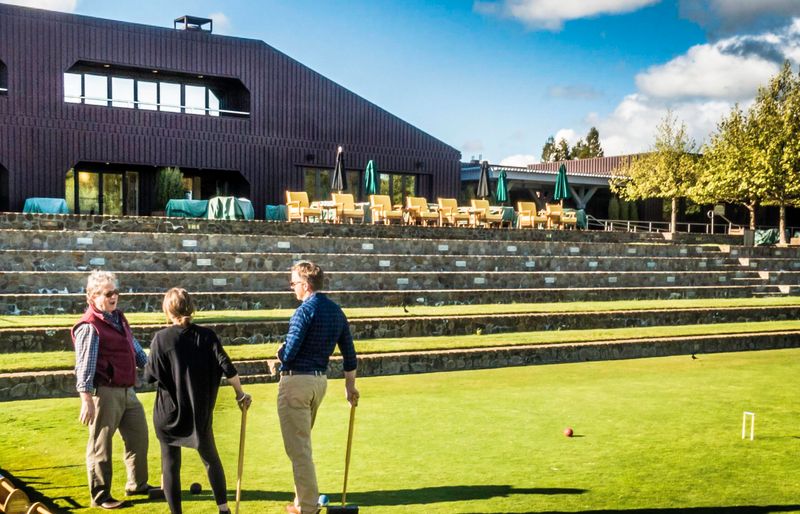
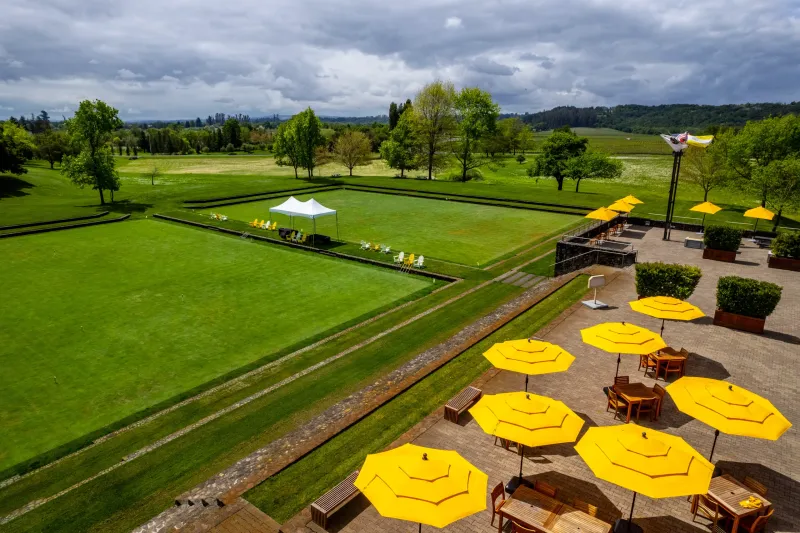
A croquet mallet is an unexpected accessory for a vineyard outing, which makes these grounds especially memorable. Sonoma-Cutrer has a longstanding association with the sport and is known for its croquet lawns.
Do not confuse that connection with a promise that anyone can arrive and start a game. Access, instruction, equipment, and organized activities can depend on the experience offered for your date.
Before booking, ask whether croquet is included, available separately, or restricted during your planned visit. That small question separates a pleasant possibility from an afternoon built around an unavailable activity.
The sport also gives you another way to understand the estate beyond its planted acreage. A carefully maintained playing surface serves a different purpose from the agricultural ground surrounding it.
For newcomers, the appeal is straightforward: croquet combines aim, patience, and enough strategy to reward paying attention. You do not need to pretend expertise before asking how an available session works.
Wear footwear suited to the activity and follow any guidance provided about protecting the playing surface. A little preparation leaves more room for enjoying the game, rather than negotiating your shoes with the grass all afternoon.
3. Let the Russian River Valley Explain the Setting
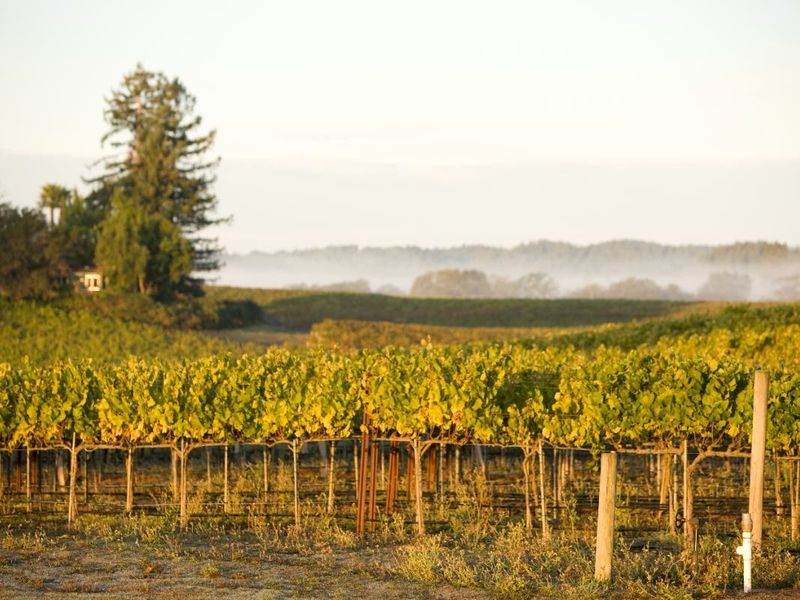
Cool Pacific influence helps explain why this inland agricultural landscape draws so much interest. The Russian River Valley receives marine air and fog through openings connecting the region with the coast.
Weather does not follow a tidy script, so a famous fog pattern cannot promise a foggy visit. Conditions vary with the season, the day, and the particular part of the valley.
For your plans, the practical lesson is simpler than a full lesson in regional climate. Bring a removable layer and check the forecast close to departure rather than trusting a sunny photograph.
While viewing the estate, consider how exposure and temperature affect the work required across a growing season. The scenery becomes more interesting when you recognize that farming responds to changing conditions.
Ask questions about the property’s own location instead of treating every Russian River Valley site as identical. Regional names describe broad areas, while individual parcels can have meaningful differences within them.
That is where the Burgundy comparison becomes useful without becoming an oversized claim about the entire region. Both invite attention to place, but your visit should keep its focus on this particular California property.
4. Use the Estate Address, Not Just the Town Name
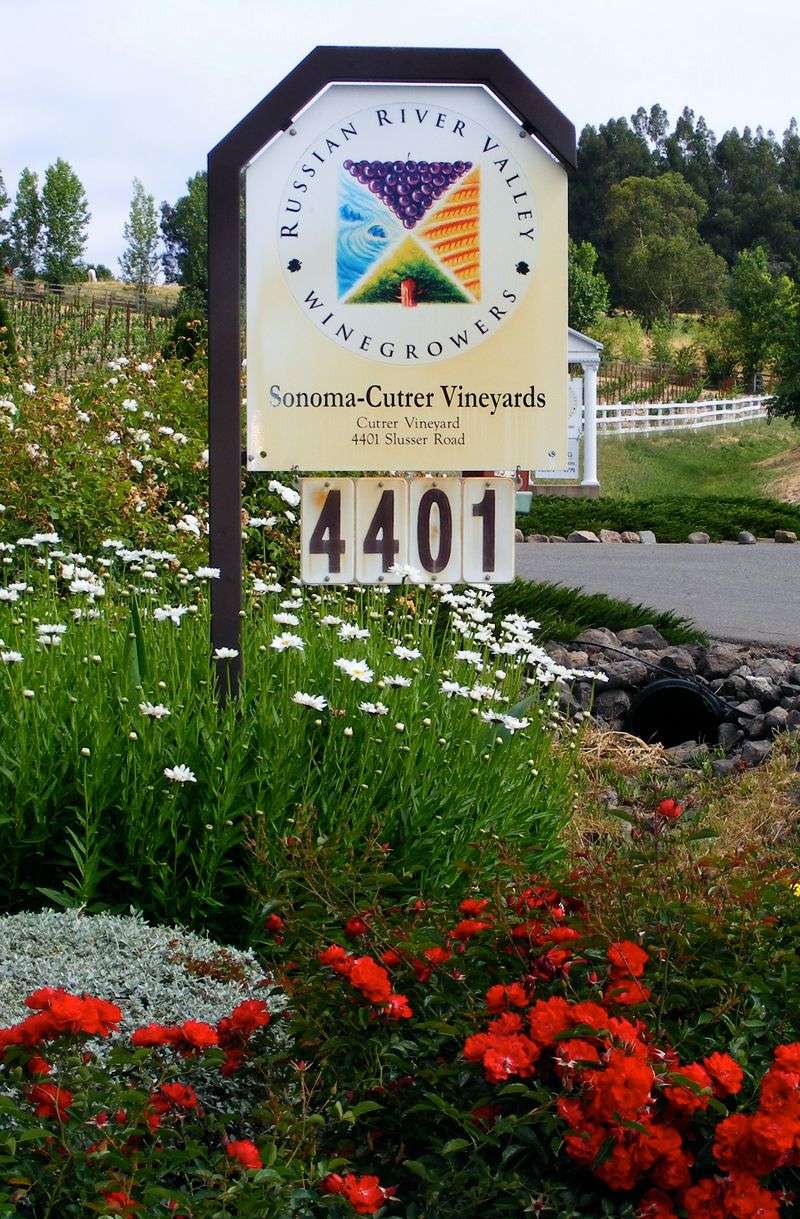
Your destination is Sonoma-Cutrer Vineyards, at 4401 Slusser Road, Windsor, CA 95492, rather than a downtown storefront. Save the complete address before leaving so navigation points toward the estate itself.
Windsor provides the mailing location, while the Russian River Valley supplies the broader agricultural context. Those names describe different things, which can otherwise make trip planning feel more confusing than necessary.
Use the address supplied with your reservation if it includes particular arrival instructions or an entrance note. Follow those directions instead of assuming every map pin identifies the correct place to check in.
Build your route around an appointment rather than fitting the property into an unrealistically tight sequence of stops. Rural roads and unfamiliar turns deserve a little breathing room in the day’s schedule.
Check travel times again before departure, especially when approaching from another part of the Bay Area. A distance that looks modest on a map does not establish a dependable arrival time.
Keep the booking confirmation accessible, and share the destination with everyone traveling in your group. These unglamorous details protect the enjoyable part of the day, which is a very respectable job for an address.
5. The Vineyard Rows Are More Than a Backdrop
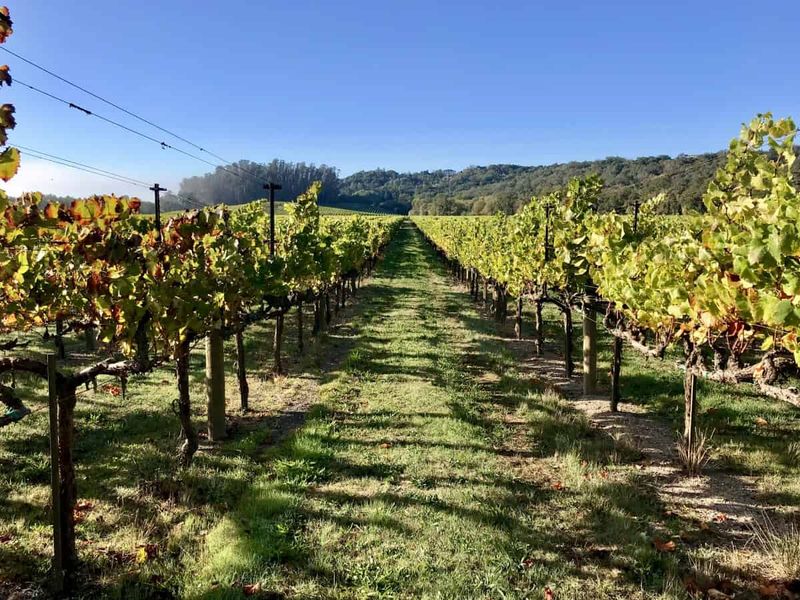
Rows of vines can look wonderfully orderly, but their neat appearance represents practical agricultural choices. Spacing, support systems, pruning, and seasonal care all help explain the landscape you came to see.
At Sonoma-Cutrer Vineyards, let the planted ground become part of the experience rather than background decoration. Ask which visible details reflect the season and which belong to the property’s longer farming cycle.
A winter visit and a late summer visit will not present the same view of the vines. Bare growth, developing leaves, and mature foliage each tell a different part of the agricultural story.
Avoid choosing a date solely because an older photograph shows the exact scene you hope to find. Seasonal conditions change, and agricultural work follows the needs of the plants rather than a visitor’s camera.
Stay within permitted visitor areas and ask before approaching planted rows or following a working access lane. An attractive gap between vines is not automatically an invitation to explore it on foot.
Understanding that boundary makes the visit more rewarding, not less interesting or less personal. You can appreciate a working landscape closely while giving the people caring for it room to do their jobs.
6. Choose the Experience Before You Choose the Time
The most useful planning question is not simply when the gates open for the day. Start by checking what visitor experiences Sonoma-Cutrer Vineyards actually offers for your intended date.
Availability can change, and descriptions may distinguish between standard appointments, special programs, and activities involving the grounds. Read the specific booking details rather than assuming every reservation includes the same access.
Pay attention to duration, group size, arrival instructions, and any restrictions stated before you confirm. Those details help you choose an experience that fits your companions instead of merely fitting an empty calendar slot.
Ask directly about anyone in your party who needs step-free access, shorter walking distances, or particular seating arrangements. General photographs cannot establish whether an entire experience will work comfortably for that person.
The same approach applies to children, animals, and companions who prefer an experience centered on the grounds. Confirm the relevant policies instead of relying on assumptions about what vineyard properties usually allow.
I would rather settle those questions before departure than turn the welcome desk into a planning meeting. A well-matched reservation gives the whole group a clearer idea of what the outing will involve together.
7. A Few Good Questions Can Change Your Visit
Curiosity travels well here, especially when you trade broad questions for ones tied to what you can see. You do not need technical knowledge to ask why one part of a property differs from another.
For example, ask how the season changes the work taking place around the estate that month. The answer can connect an attractive view with decisions that would otherwise remain invisible to a visitor.
Another useful subject is the relationship between the croquet grounds and the property’s public identity. That question keeps the conversation specific to Sonoma-Cutrer rather than repeating something suitable for any agricultural stop.
You can also ask which parts of the landscape belong to the visitor experience and which remain working areas. Clear boundaries make it easier to enjoy your surroundings without guessing where access ends.
Keep questions open and leave room for an answer that differs from the story you expected. A French comparison might introduce the subject, but local details should get the final say.
My favorite approach is to choose two questions rather than arrive with an entire interview prepared. That leaves space for whatever genuinely catches your attention once the visit begins in earnest.
8. Pack for an Outdoor Setting, Not a Photo Shoot
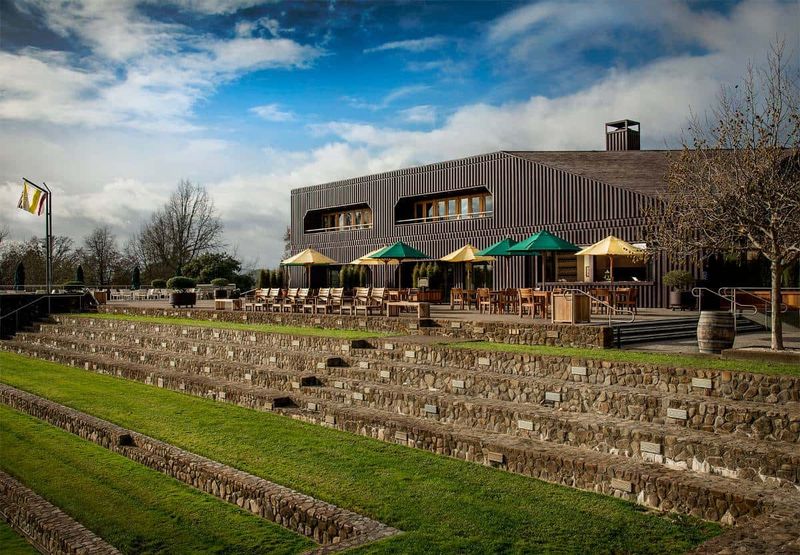
Comfort earns its place in the itinerary long before anyone starts choosing a favorite photograph. An estate visit can involve outdoor exposure, so clothing should respond to the forecast and your booked activities.
A light layer gives you options when temperatures change between your departure point and the property. Sun protection is sensible too, especially when your plans include time outside rather than only an indoor appointment.
Choose shoes that suit the surfaces and activities described in your reservation information before you leave home. For croquet access, ask whether the property has footwear guidance designed to protect its playing lawns.
Bring necessary personal items, but check policies before arriving with outside food, elaborate camera equipment, or a picnic setup. Available space does not automatically mean those uses are permitted during your visit.
Photography should respect other visitors, staff, and any areas where access is limited or specifically restricted. Keep paths clear, and ask before treating a working part of the estate as a portrait location.
The goal is not to turn a pleasant outing into a packing exercise with twelve separate categories. A few practical choices simply let you pay more attention to the place than your belongings.
9. Leave Room for the Place to Be Itself
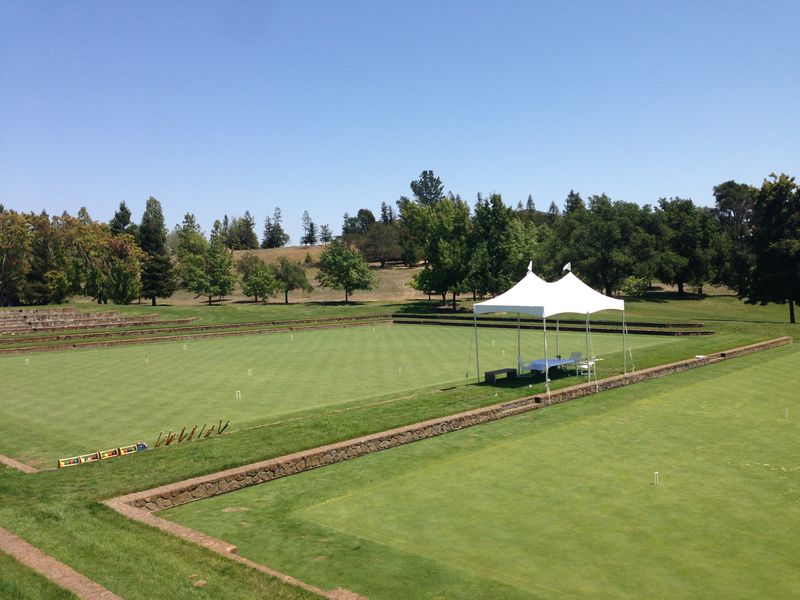
By the time you plan the visit, the French nickname should feel like an introduction rather than an assignment. You are coming to Sonoma-Cutrer Vineyards, not testing California against a checklist borrowed from another country.
The property’s combination of cultivated land and croquet gives you something more specific to appreciate. Let those features guide your interest instead of expecting every detail to support the same regional comparison.
A satisfying outing does not require squeezing every possible activity into one appointment or afternoon. Choose the available experience that matches your interests, then give it enough time to make sense.
Before departure, check your reservation, the weather, and any messages about changes to access or scheduling. Because availability can shift, confirm operating details directly rather than relying on this article for live information.
That final check matters more than building an ambitious schedule around an experience that might not be offered. Accurate expectations leave room for enjoyment without asking the property to provide something it never promised.
I like the idea of leaving with one clear detail you understand better than before you arrived. A croquet lawn beside vineyard rows is already a pretty good place to start that collection.
Share this story