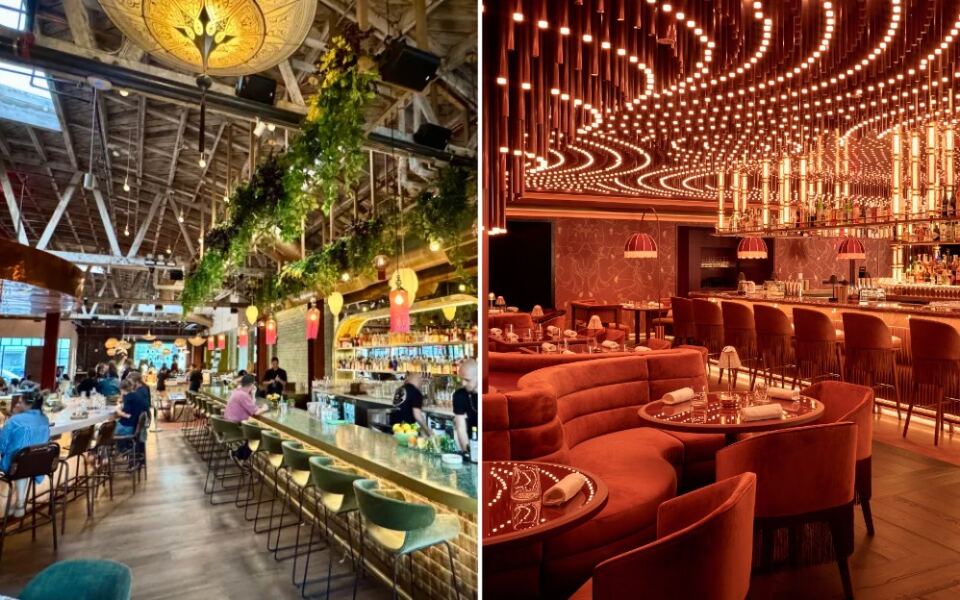
From an intimate sushi counter in Kansas City to a Caribbean-inspired steakhouse on the Las Vegas Strip, some of America’s most interesting restaurants are taking familiar dining experiences in unexpected directions.
In Philadelphia, a historic neighborhood bar is finding new life through Italian-American cooking, while a Milwaukee bistro brings the flavors of southern France to the Midwest. Elsewhere, Cuban fine dining is making waves in Florida, northern Thai specialties are drawing attention in Portland, and Mexican influences are transforming traditional ramen in Austin.
These nine restaurants offer a taste of the creativity shaping dining across the country in 2026, with distinctive menus, talented chefs, and concepts worth discovering.
1. Akoya Omakase, Kansas City, Missouri

Inside downtown Kansas City’s historic Hotel Phillips, chef Peter Hoang is introducing diners to an intimate Japanese tasting experience built around carefully selected seafood and precise sushi techniques.
The restaurant opened in August 2025, bringing Hoang back to the city where he grew up watching his father, Sam Hoang, work in the sushi business.
At the center of the experience is omakase, a Japanese dining format in which the chef determines the progression of courses.
Akoya offers several versions of that experience. The $165 signature omakase includes three specialty sashimi preparations, ten pieces of premium nigiri, a hand roll, miso soup, and dessert.
A shorter $85 option includes eight pieces of nigiri and two sashimi courses.
A $45 lunchtime omakase offers another way to experience the kitchen’s approach.
The à la carte selection features seafood such as Hokkaido scallops, Japanese sea bream, fatty bluefin tuna, and ocean trout.
Among the more elaborate preparations is Tai Truffle, which pairs Japanese sea bream with black truffle pâté, white truffle oil, and Japanese seasonings.
Hoang’s emphasis on rice temperature, seafood quality, and careful knife work gives Akoya a distinctive place in Kansas City’s growing fine-dining scene.
Address: 106 W. 12th Street, Kansas City, MO 64105
2. Bomb Bomb Bar, Philadelphia, Pennsylvania
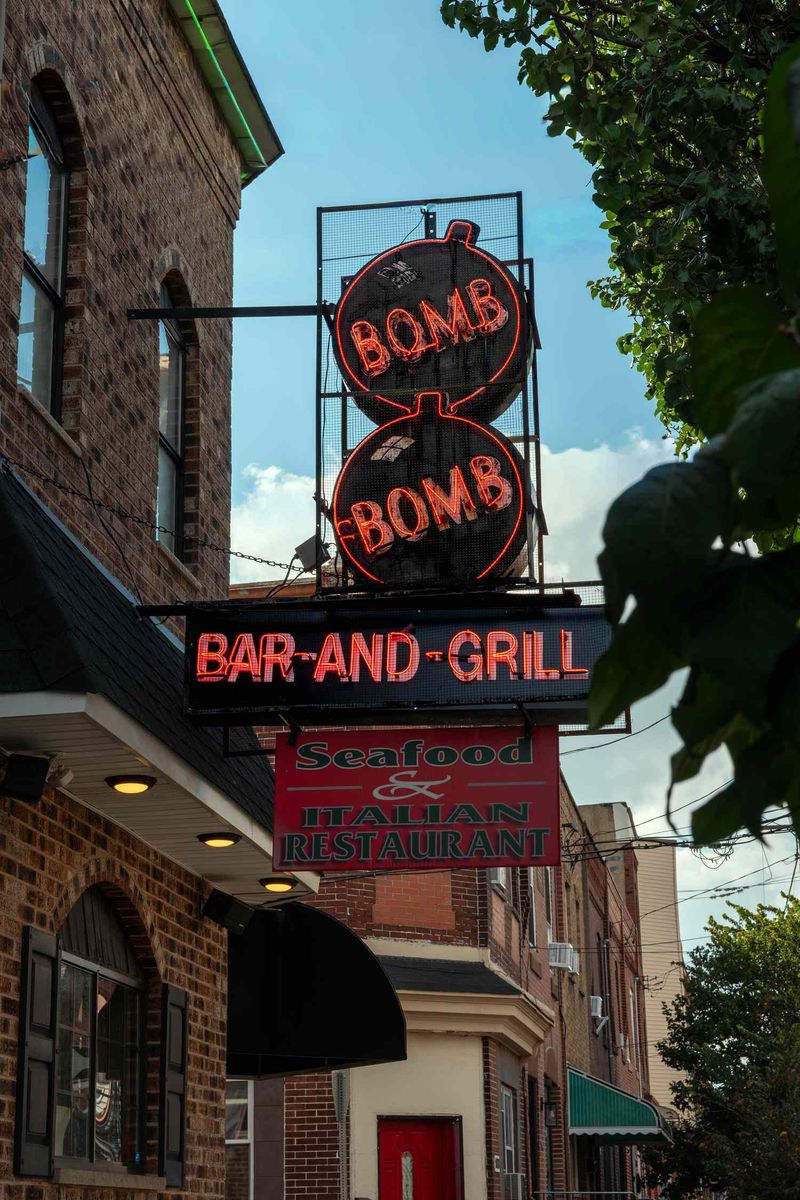
Few neighborhood restaurants can claim a history quite like this South Philadelphia institution, which earned its unusual name after surviving two bombings during a dispute in the 1930s.
The corner bar operated under the Barbato family for 74 years before chef Joey Baldino took over in fall 2025.
Rather than replacing its longstanding identity, Baldino set out to preserve the character of the establishment while introducing his own approach to Italian-American cooking.
The bar still serves the ribs and pork sandwiches that helped make it a neighborhood favorite.
A separate dining room places greater emphasis on Italian seafood, continuing a tradition associated with South Philadelphia’s old-school restaurants.
Baldino brings considerable experience to the project. His previous restaurants include Zeppoli in Collingswood, New Jersey, and Philadelphia’s members-only Palizzi Social Club.
Chef de cuisine Max Hachey, previously of Friday Saturday Sunday, leads the kitchen, while Jorgen Ericksen developed the beverage program.
The result combines two experiences under one roof: a casual neighborhood bar and a more elaborate Italian-American dining room.
In November 2026, Bomb Bomb also received national recognition when it appeared on The New York Times’ annual best restaurants list.
Address: 1026 Wolf Street, Philadelphia, PA 19148
3. Cassis, Milwaukee, Wisconsin

French bistro traditions have found a lively home in Milwaukee’s Historic Third Ward, where chef Kyle Knall and hospitality professional Meghan Knall have expanded beyond their acclaimed restaurant Birch.
Their all-day restaurant, Cassis, draws inspiration from southern France while incorporating seasonal ingredients from the Midwest.
The menu moves between classic French preparations and more playful dishes.
Foie gras éclairs and ravioli dauphine demonstrate the kitchen’s willingness to reinterpret familiar techniques, while trout with vin blanc sauce offers a more traditional combination of fish and wine.
Chilled seafood also plays an important role, reinforcing the restaurant’s Mediterranean influences.
The wine program focuses heavily on French producers, including selections from the region that inspired the restaurant’s name.
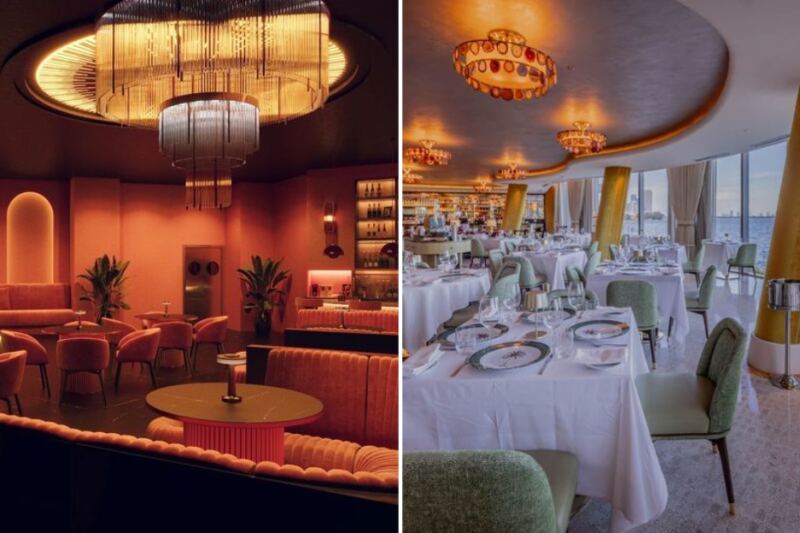
Inside, mosaic tile, vintage chandeliers, and leather banquettes help create the atmosphere of a bustling European brasserie.
With nearly 200 seats, Cassis is substantially larger than Birch, allowing the owners to serve lunch, brunch, afternoon drinks, and dinner.
Its combination of French cooking and Midwestern hospitality has helped establish it as a notable addition to Milwaukee’s restaurant scene.
Address: 333 N. Water Street, Milwaukee, WI 53202
4. Creepies, Chicago, Illinois
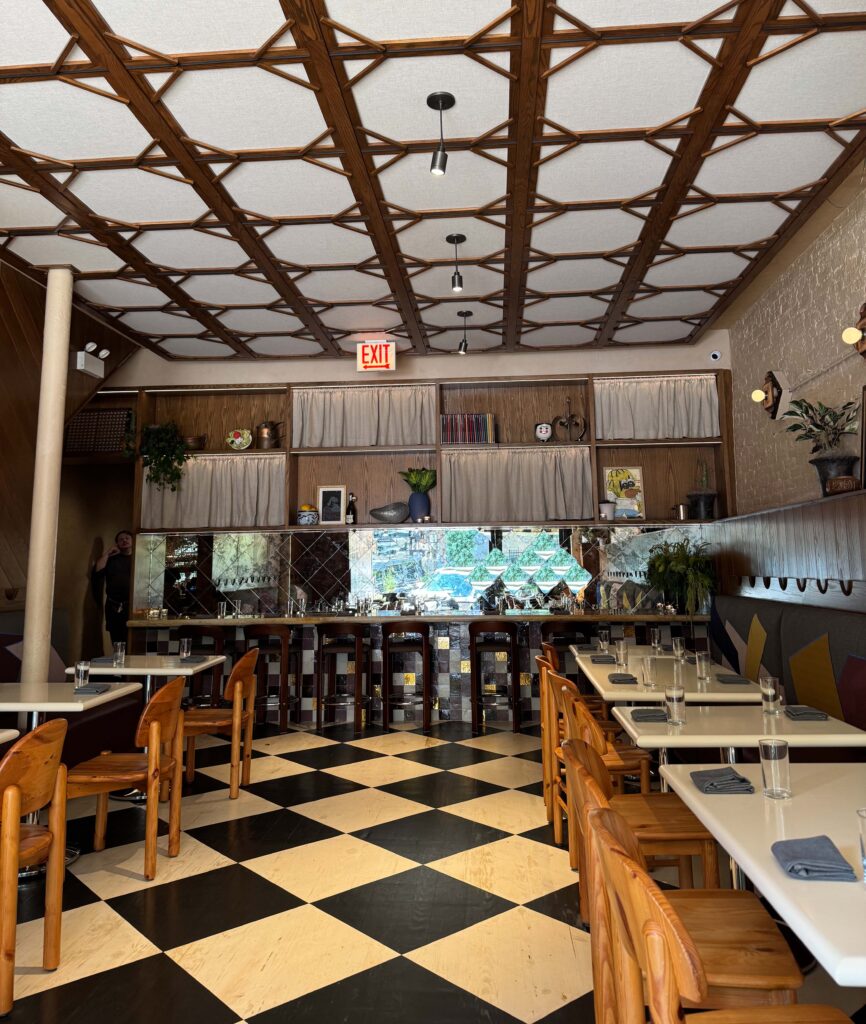
A whimsical name conceals a serious commitment to French-American cooking at this West Loop bistro from chefs David and Anna Posey.
The couple is also behind Elske, their acclaimed restaurant next door, but Creepies offers a different expression of their culinary style.
Chef de cuisine Tayler Ploshehanski oversees a menu that draws on classic French preparations while incorporating ingredients and sensibilities associated with the Midwest.
Parisian gnocchi is one example, arriving in a rich Gruyère sauce with crisp ham and egg yolk.
Another dish pairs steamed halibut with sauce homard, a lobster-based sauce, and dumplings.
Desserts are similarly inventive. Options have included raspberry sherbet meringue cake and a baguette-inspired soft serve finished with chocolate and brown butter crumbs.
The restaurant’s design reinforces its neighborhood-bistro identity, combining black-and-white floor tiles with warm wood, stone, artwork, and banquette seating.
Although the name began as an inside joke between the owners, the food and atmosphere have given Creepies a serious reputation of their own.
The Michelin Guide has also recognized the restaurant for its French-American menu and approachable setting.
Address: 1360 W. Randolph Street, Chicago, IL 60607
5. Emelina, West Palm Beach, Florida
What might Cuban cooking look like when traditional recipes are reimagined through modern fine-dining techniques?
That question drives the work of chefs Osmel González and Camila Salazar at Emelina, an intimate restaurant that earned a Michelin star in 2026.
Named after González’s grandmother, the restaurant draws inspiration from Cuban family cooking while incorporating ingredients sourced throughout South Florida.
The menu includes dishes that combine recognizable Cuban flavors with unexpected presentations.
Local oysters appear with yucca foam and mushroom powder, while cherry tomatoes are paired with Cuban oregano chimichurri and macadamia milk foam.
A dry-aged beef course incorporates green mango mojo and black bean sauce, bringing familiar Cuban accompaniments into a more elaborate preparation.
Rabo encendido, the traditional Cuban oxtail stew, receives a contemporary interpretation while retaining its connection to the original dish.
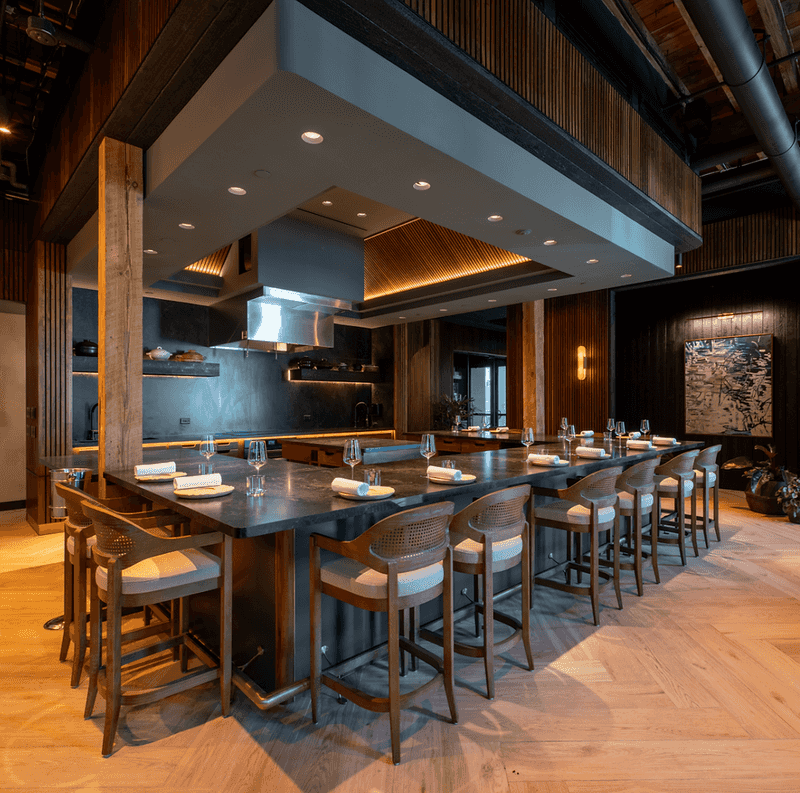
The small dining room includes counter seats overlooking the open kitchen, creating a close connection between guests and the chefs.
Emelina’s Michelin recognition has also strengthened West Palm Beach’s reputation as a destination for ambitious dining beyond Miami.
Address: 424 Park Place, Suite 101, West Palm Beach, FL 33401
6. Maroon, Las Vegas, Nevada
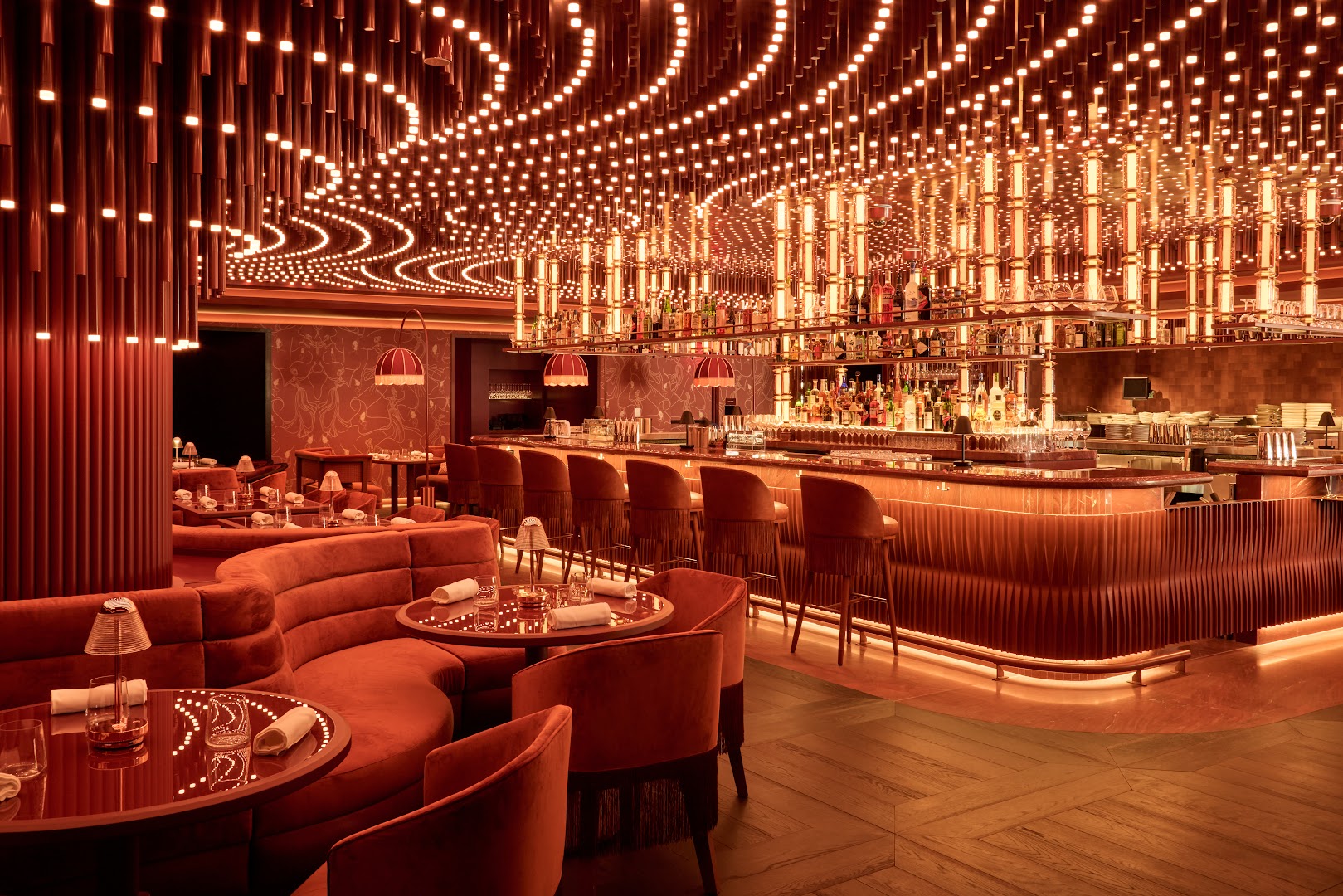
Rum-aged steaks, jerk chicken, and banana-leaf-wrapped seafood are helping redefine what a Las Vegas steakhouse can look like.
James Beard Award-winning chef Kwame Onwuachi opened Maroon at SAHARA Las Vegas in April 2026, marking his first restaurant in the western United States.
The concept draws on African and Caribbean culinary traditions, particularly the flavors of Jamaica and the wider Afro-Caribbean diaspora.
A custom-built jerk pit is central to the kitchen, providing the smoke and spice that distinguish many of its signature dishes.
The steak selection includes New York strip and Wagyu tenderloin, with certain cuts aged using rum to introduce another layer of flavor.
Jerk chicken is available as a half or whole bird, while banana leaf snapper arrives with tamarind chutney, curried okra, and squash.
The menu also includes dishes that reinterpret classic steakhouse preparations, such as oxtail Wellington.
Onwuachi, whose other restaurants include Tatiana in New York and Dōgon in Washington, D.C., has built his reputation on cooking that explores cultural history through food.
Maroon continues that approach in a setting associated with elaborate American steakhouses, offering a distinctive alternative to more conventional Strip dining.
Location: SAHARA Las Vegas, 2535 Las Vegas Boulevard South, Las Vegas, NV 89109
7. Maydan Market, Los Angeles, California
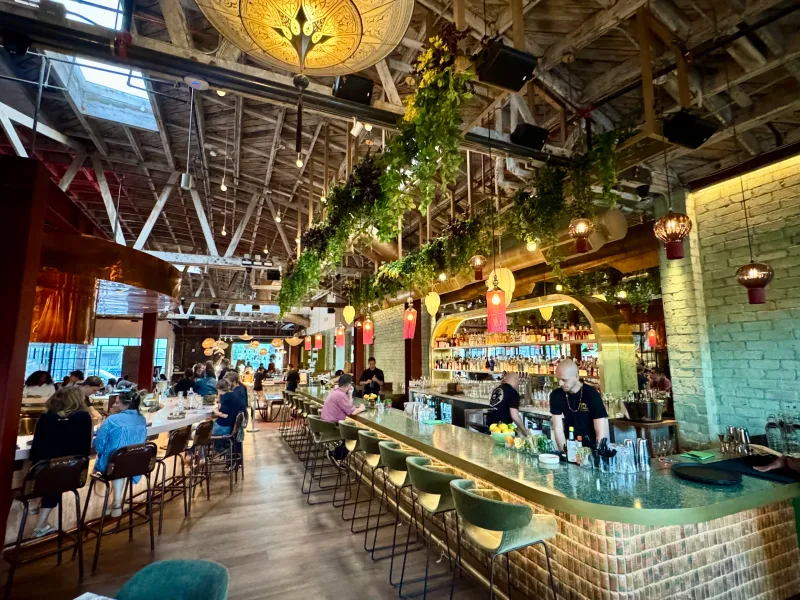
A shared live-fire hearth connects several culinary traditions at Maydan Market, a food and dining destination in Los Angeles’ West Adams neighborhood.
The project brings the spirit of Washington, D.C.’s acclaimed Maydan restaurant to Southern California, combining a full-service restaurant with independent food vendors and a marketplace.
Rather than organizing the space around a single cuisine, the market features businesses representing different communities and cooking traditions.
Maléna specializes in coastal Afro-Mexican food, while Golden Mountain Chicken focuses on Thai fried chicken and noodles.
Lugya’h brings Zapotec live-fire cooking to the lineup, introducing dishes rooted in Indigenous Mexican culinary traditions.
Club 104, operated by Vesti, serves sandwiches, pizza, and other plates, while Sook provides a retail component.
Compass Rose functions as the market’s café and bar, serving coffee, cocktails, and wine.
At the back of the space, Maydan offers its own full-service dining experience centered on Middle Eastern cooking.
The shared hearth gives the venue a unifying feature while allowing individual vendors to maintain their own culinary identities.
Its combination of independent businesses, communal seating, and live-fire cooking makes Maydan Market one of Los Angeles’ more ambitious recent food projects.
Address: 4301 W. Jefferson Boulevard, Los Angeles, CA 90016
8. OK Chicken & Khao Soi, Portland, Oregon
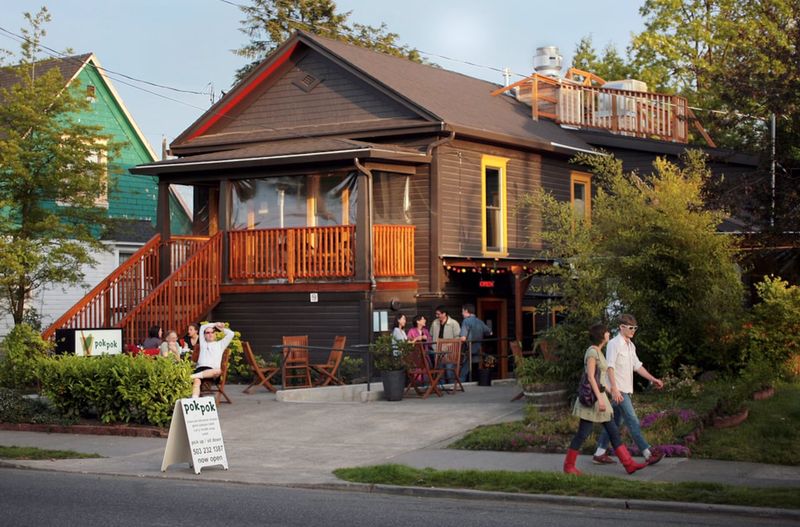
Northern Thailand’s distinctive flavors take center stage at this Portland restaurant, where the menu concentrates on dishes associated with Chiang Mai.
Khao soi, a rich coconut curry noodle soup, is one of the restaurant’s signature offerings.
The dish traditionally combines soft egg noodles with a fragrant curry broth and a topping of crisp noodles, creating a contrast of textures in a single bowl.
Fried chicken, known as gai tod, is another major specialty.
The restaurant also serves laab mueng, a northern Thai minced-meat preparation, and som tum, the spicy green papaya salad found throughout Thailand.
Nam prik, a category of Thai chili dips, adds another traditional element to the menu.
Sticky rice provides an important accompaniment, particularly alongside dishes intended to be eaten together.
By concentrating on a relatively small group of northern Thai specialties, OK Chicken & Khao Soi distinguishes itself from restaurants offering a broad selection of familiar Thai-American dishes.
The result is a focused exploration of Chiang Mai’s food traditions, from curry noodles to fried chicken and regional salads.
Address: 3226 SE Division Street, Portland, OR 97202
9. Ramen Del Barrio, Austin, Texas
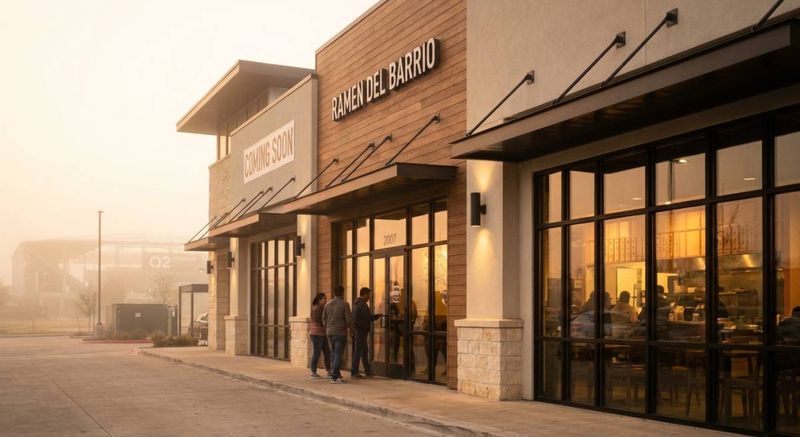
Mexican and Japanese cooking come together in unexpected ways at Ramen Del Barrio, the Austin restaurant from chef Christopher Krinsky.
Originally established in 2023 inside Hana World Market, the restaurant built a following for ramen dishes inspired by Mexican soups, stews, and seasonings.
Its signature combinations include carnitas tonkotsu, which brings together the richness of Japanese pork-bone broth with flavors associated with Mexican slow-cooked pork.
Pozole-inspired ramen offers another example of how Krinsky draws connections between the two cuisines.
The menu has also featured seafood preparations, Mexican salsas, and yaki-tacos, extending the concept beyond noodle soup.
After closing its original food-court location in December 2025, Ramen Del Barrio relocated to a standalone space on Kramer Lane.
Service resumed at the new address on July 25, 2026.
The move provides a different setting for a restaurant that originally became known for serving ambitious food from a modest market counter.
Krinsky’s approach is grounded in the similarities between Mexican and Japanese cooking, particularly their use of rich broths, slow-cooked meats, and layered seasonings.
The restaurant has also received Michelin Bib Gourmand recognition, reflecting its reputation for quality food at comparatively accessible prices.
For Austin diners, Ramen Del Barrio offers a distinctive interpretation of two culinary traditions that rarely meet in such a focused way.
Address: 2007 Kramer Lane, Suite 105, Austin, TX 78758
Share this story