Chicago has no shortage of places to enjoy sushi, but some of the city’s most interesting spots offer more than a familiar selection of rolls and nigiri.
At one restaurant, colorful plates glide past diners on a conveyor belt. At another, fresh sushi is served inside a sprawling Asian grocery complex.
Elsewhere, intimate chef’s counters and specialized hand-roll bars turn a simple meal into something more memorable.
That variety is part of what makes Chicago’s sushi scene so appealing. You can keep things casual, explore new flavors, or spend an entire evening watching a chef carefully prepare each course.
Whether you’re a longtime sushi enthusiast or simply looking to try somewhere different, these seven Chicago restaurants offer distinct experiences worth discovering.
1. Sushi Plus Rotary Sushi Bar
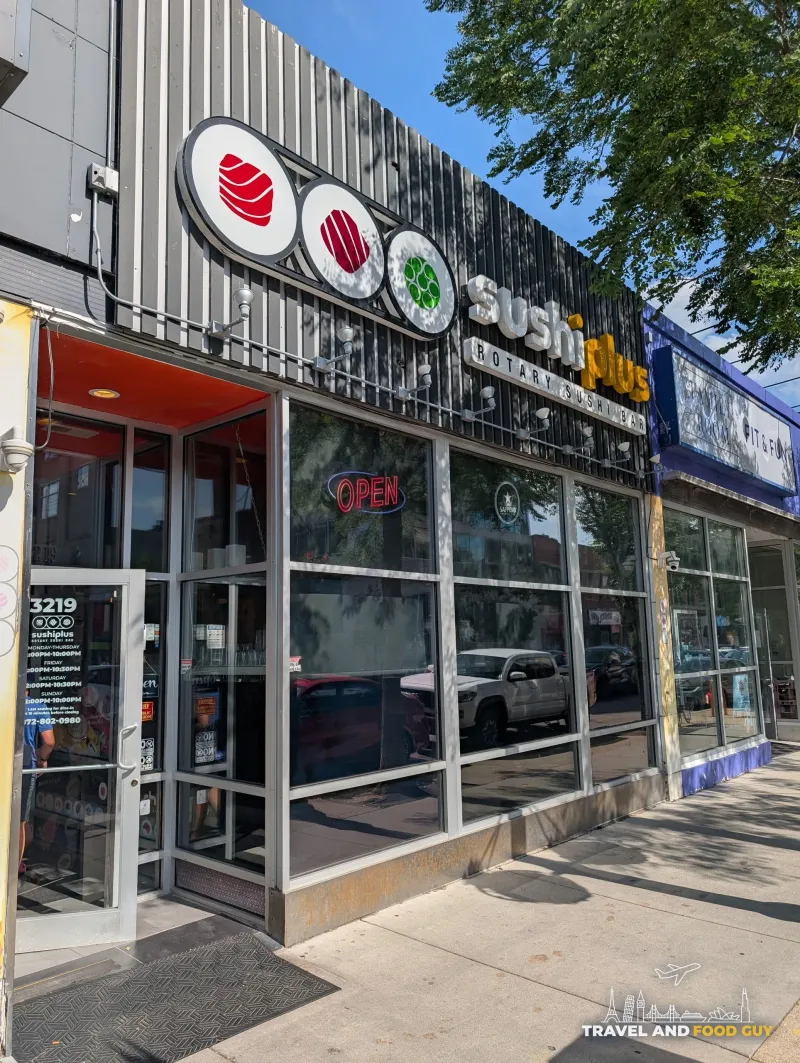
Watching your next bite travel toward you on a conveyor belt is part of the fun at Sushi Plus Rotary Sushi Bar.
Instead of ordering everything from a traditional menu, diners can choose from small plates circulating through the restaurant, making the experience interactive from the moment they sit down.
The rotating selection encourages a little spontaneity. A colorful roll or beautifully arranged piece of nigiri might catch your attention before you’ve even decided what to eat.
It’s a particularly approachable way to explore sushi, especially for diners who enjoy sampling several different dishes rather than committing to one large order.
The restaurant’s conveyor-belt format also creates a lively atmosphere that works well for casual outings with friends or family.
For first-time visitors, part of the appeal is simply watching the selection go by and discovering something unexpected.
It’s a different kind of sushi night, one where the experience can be just as entertaining as the food itself.
2. 312 Fish Market
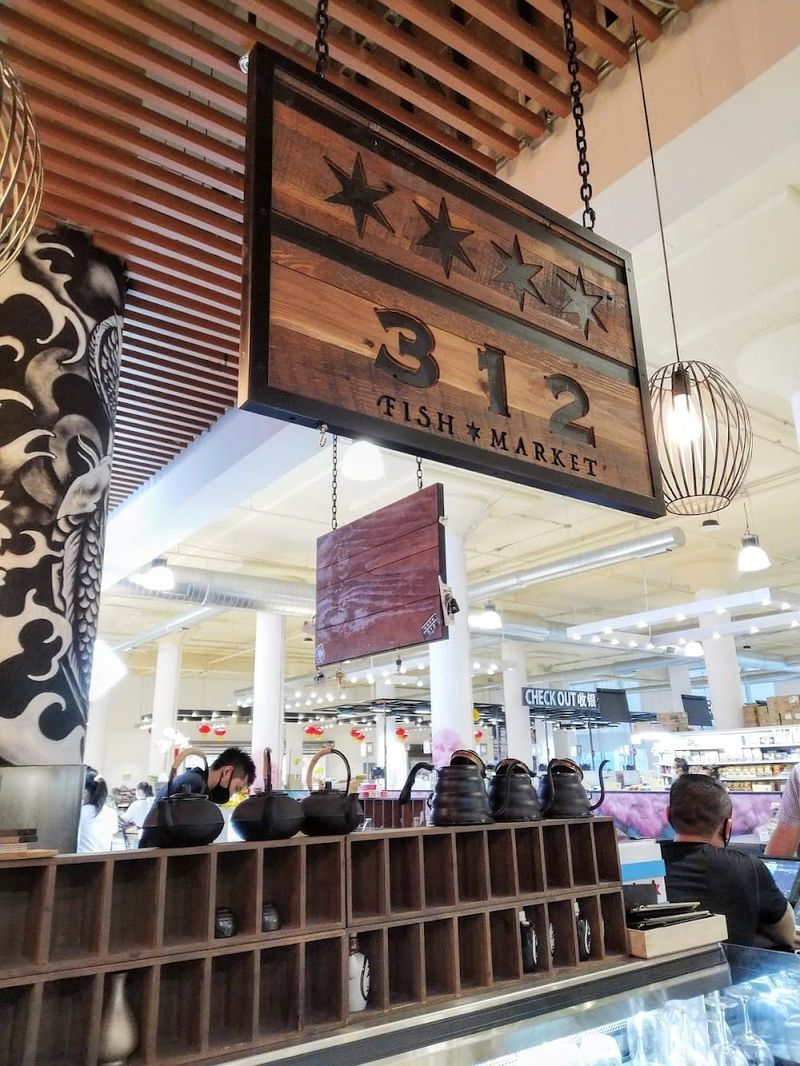
A trip to the grocery store doesn’t usually turn into a sushi outing, but 312 Fish Market offers exactly that possibility.
Located inside Chicago’s 88 Marketplace complex, this sushi destination combines the appeal of a seafood-focused restaurant with the energy of a bustling Asian shopping destination.
The setting is a major part of what makes it distinctive.
Rather than entering a conventional restaurant dining room, visitors find sushi in the middle of a larger marketplace filled with food shopping and culinary discoveries.
The restaurant’s focus on seafood makes it appealing to diners who appreciate fresh fish and straightforward sushi preparations.
Assorted sushi and sashimi selections provide opportunities to enjoy different varieties in a single meal.
For visitors who love exploring international grocery stores, the location adds another reason to stop by.
You can make sushi the centerpiece of the visit, then spend time browsing the market’s other food offerings.
It’s an especially interesting option for people who enjoy finding memorable meals in unexpected places.
3. Casa Madai
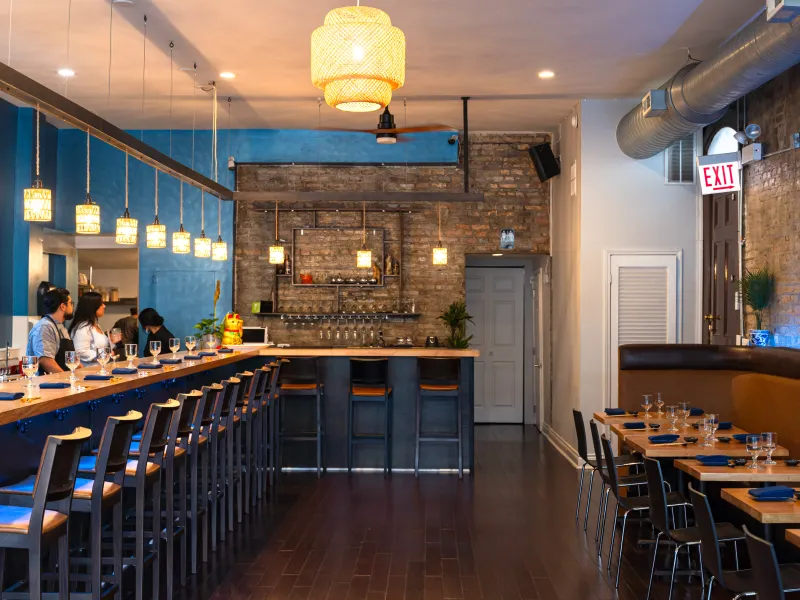
Sometimes the best sushi outing is the one that takes you away from your usual neighborhood favorites.
Casa Madai offers another name to explore in Chicago’s diverse Japanese dining scene, appealing to diners interested in discovering a different approach to sushi.
Rather than focusing solely on the familiar rolls found at many neighborhood restaurants, it’s a place to consider when you’re in the mood for something less routine.
The attraction is the opportunity to explore the kitchen’s own style and selection, whether that means trying different fish preparations or discovering combinations outside your standard order.
For diners who typically stick with spicy tuna rolls or California rolls, a visit can be an excuse to become more adventurous.
It’s also a reminder that Chicago’s sushi scene extends beyond the city’s most widely publicized restaurants.
Smaller destinations can offer their own personalities and reasons to return.
For anyone building a list of sushi restaurants to explore around Chicago, Casa Madai is another option worth investigating.
4. Omakase Yume
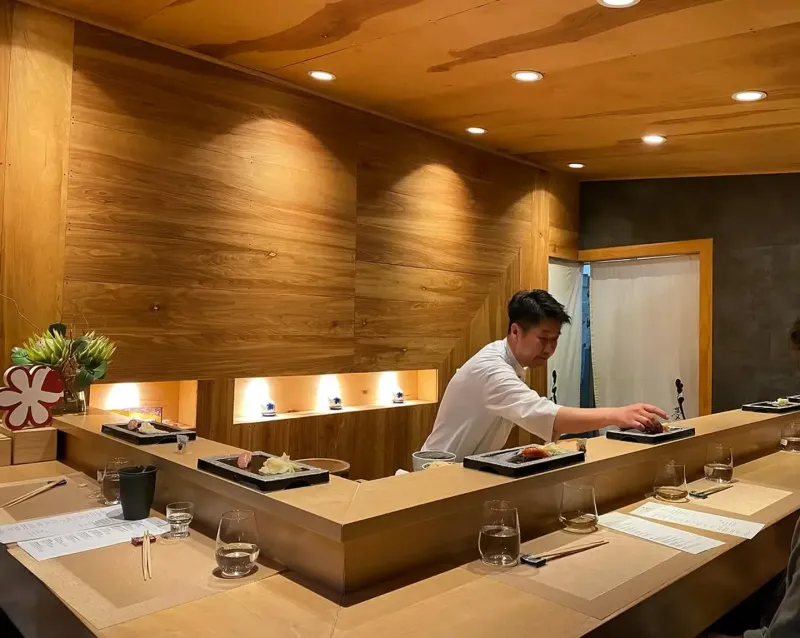
There are sushi dinners, and then there are evenings built entirely around the chef’s decisions.
Omakase Yume belongs firmly in the second category.
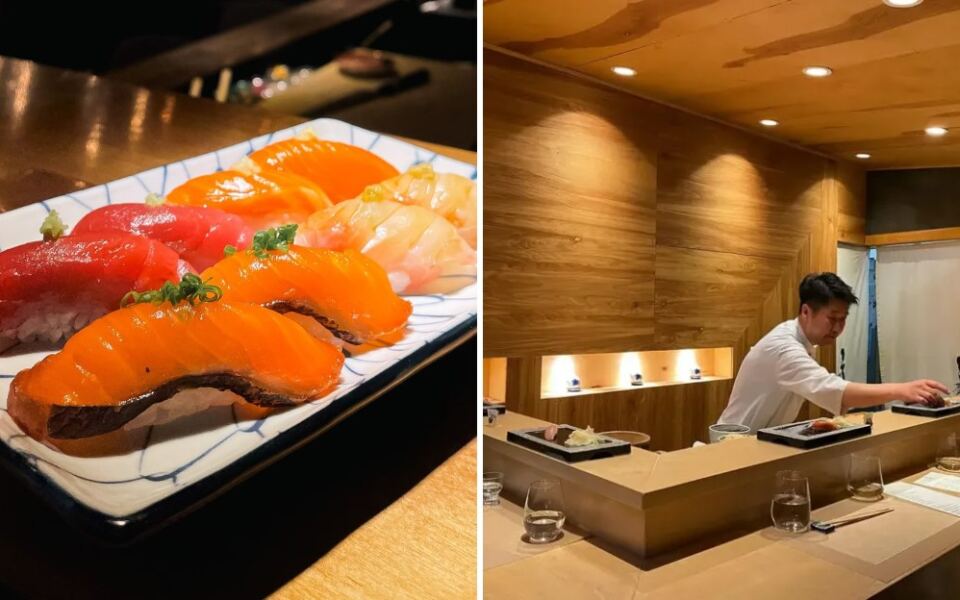
Located in Chicago’s West Loop, the restaurant specializes in omakase, a Japanese dining tradition in which guests entrust the meal’s progression to the chef.
Rather than selecting individual rolls from an extensive menu, diners experience a carefully paced sequence of sushi preparations.
The intimate setting puts the craftsmanship front and center.
Each piece becomes an opportunity to appreciate the balance between fish, rice, temperature, and seasoning.
That attention to detail creates a very different atmosphere from a bustling sushi bar or casual neighborhood restaurant.
The experience is designed for diners who want to slow down and focus on the food as each course arrives.
Omakase Yume is particularly appealing for special occasions, serious sushi enthusiasts, or anyone curious about a more traditional chef-guided meal.
It’s the kind of restaurant where the evening itself becomes part of the attraction.
5. Tamu
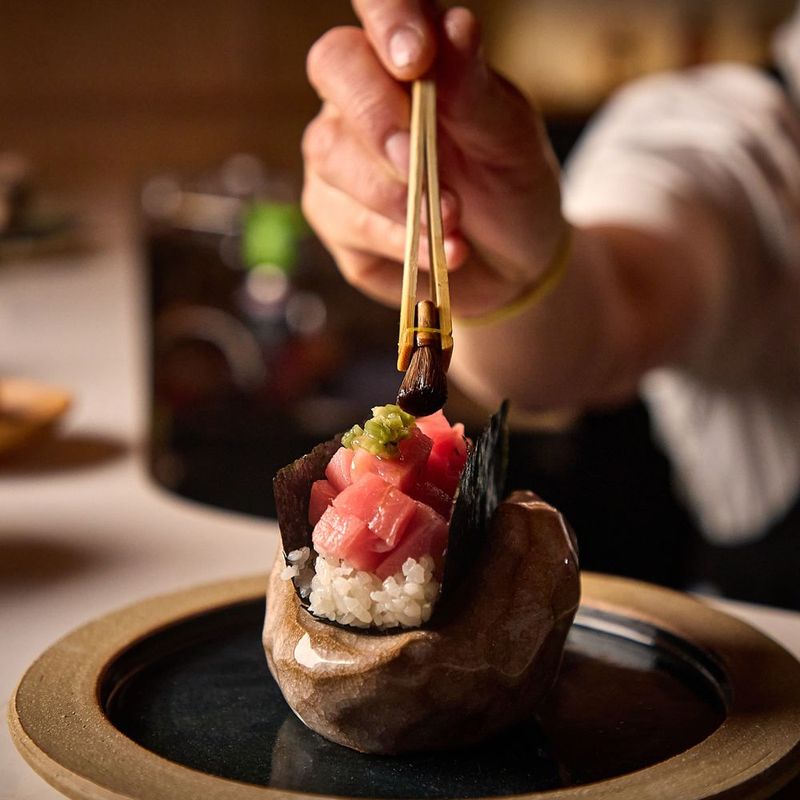
A freshly made hand roll is all about contrast.
The seaweed should have a delicate snap, the rice should remain tender, and the filling should bring everything together without overwhelming the other ingredients.
That simple combination is part of the appeal at Tamu, a Chicago destination associated with hand-roll-focused sushi dining.
Unlike conventional sushi rolls that are sliced into several pieces, hand rolls are typically assembled for immediate enjoyment.
Their cone-like or cylindrical shape creates a more direct, casual way to experience the ingredients.
The format also puts texture in the spotlight, particularly the contrast between crisp nori and softer rice and seafood.
For diners accustomed to elaborate specialty rolls covered in sauces, hand rolls offer a different perspective.
The focus shifts toward the individual components and how they work together in each bite.
Tamu is an appealing option for anyone interested in exploring this more specialized side of Chicago’s sushi scene.
6. Jōtō Sushi
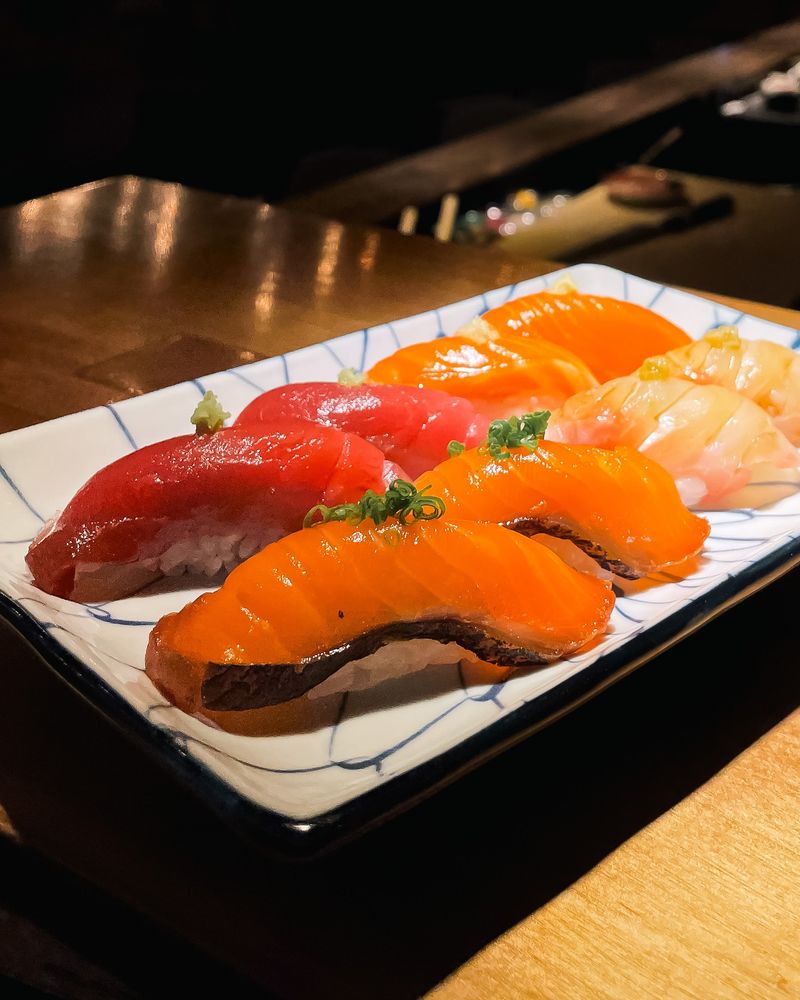
Chicago’s sushi scene is broad enough that finding a new favorite can be as enjoyable as returning to an established one.
Jōtō Sushi adds another option to that exploration, particularly for diners who like discovering restaurants beyond their usual rotation.
Part of the pleasure of visiting a new sushi spot is seeing how the kitchen approaches familiar dishes.
Even recognizable preparations such as nigiri and rolls can vary considerably depending on the fish selection, rice, seasoning, and presentation.
For sushi enthusiasts, those differences are often what make a restaurant memorable.
Jōtō Sushi is worth considering as part of a wider tour of Chicago’s Japanese dining options.
Whether you’re drawn to simpler sushi preparations or more elaborate combinations, exploring a different menu can reveal new preferences.
And in a city with so many established sushi destinations, making room for another name on your list is part of the adventure.
7. Noriko Handroll Bar
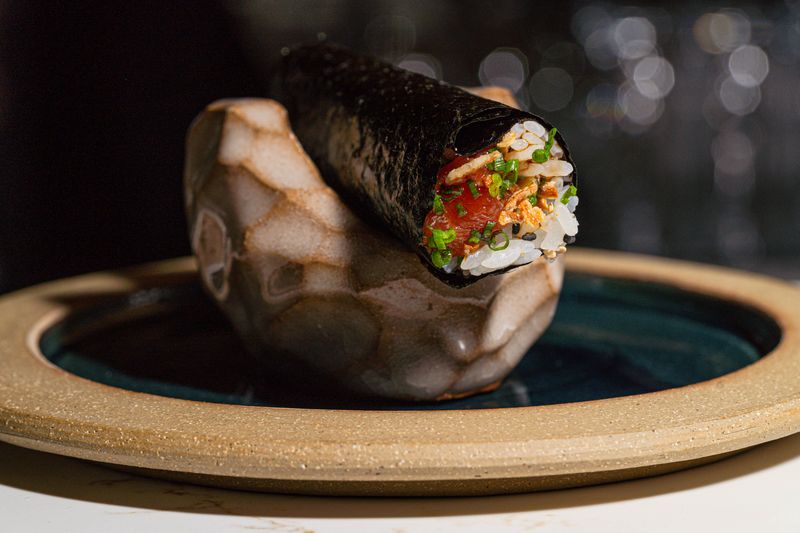
Forget the oversized sushi platter. At Noriko Handroll Bar, the experience revolves around individual hand rolls prepared to be enjoyed right away.
The concept emphasizes one of sushi’s most satisfying combinations: crisp seaweed wrapped around seasoned rice and carefully selected fillings.
Unlike sliced maki rolls, hand rolls are designed to be eaten shortly after they’re assembled.
That timing matters because the seaweed gradually softens as it comes into contact with the rice.
Enjoyed fresh, the contrast between the crisp wrapper and tender filling becomes a defining part of the experience.
The hand-roll format also encourages a more focused style of dining, with each roll receiving its own moment rather than arriving as part of a large assortment.
For anyone who enjoys watching sushi being prepared and appreciating the details of each bite, Noriko offers a compelling alternative to a traditional sushi restaurant.
It’s particularly well suited to diners who want to explore sushi through a format that feels both casual and carefully considered.
Share this story