One of America’s most famous pizzas got its rectangle shape from steel pans first made to hold car parts. I love that a factory tray helped create a crispy, cheesy legend.
That’s only one twist. In New Jersey, some pies get their sauce spooned on after the cheese.
Up in the Rocky Mountains, people dip their crust in honey.
Pizza in the United States didn’t stay one thing for long. Immigrant bakers, local ovens, and hungry neighborhoods kept tweaking it.
Over time, each region gave pizza its own accent, like the way people say soda or pop.
So I rounded up the styles that shaped those accents, along with the shops tied to them. Some slices are thin enough to fold in one hand.
Others need a fork and maybe a nap afterward. Which one would you claim as your hometown favorite?
1. New York-Style Pizza
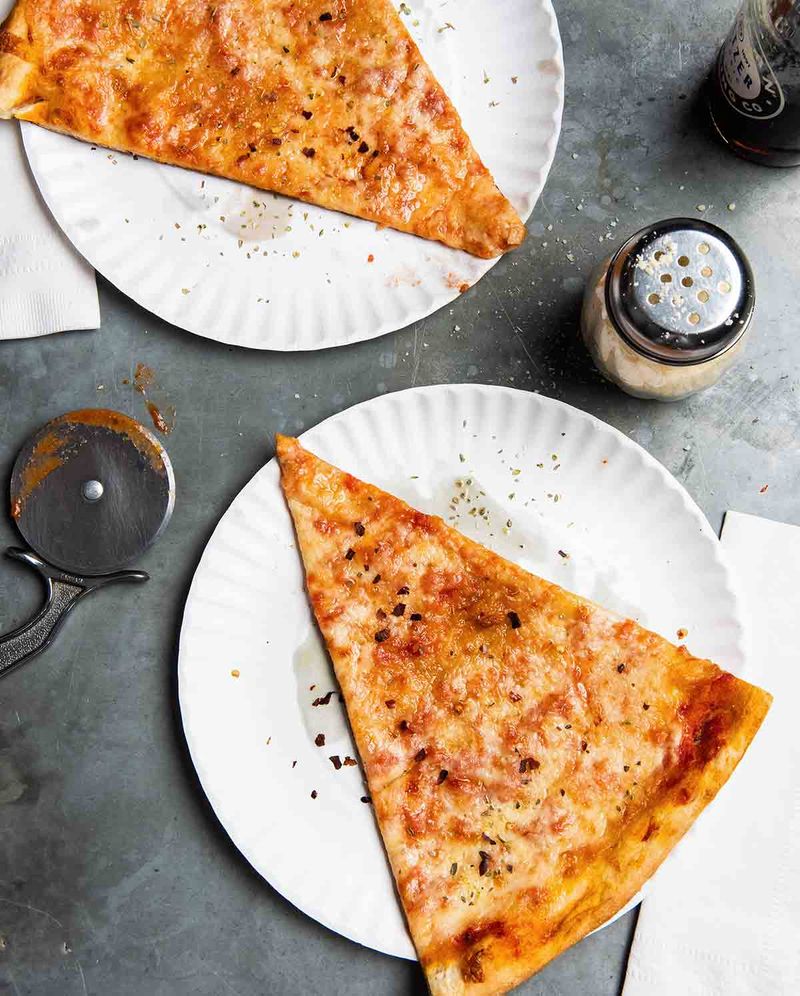
Folding your slice in half isn’t bad manners in New York. It’s practically the house rule.
The style is thin, wide, and often sold by the slice. Its crust bends without snapping, so you can eat it while walking down the block.
Want to taste the roots? Lombardi’s calls itself America’s first pizzeria and says it earned its license in 1905.
The shop still bakes in a coal-fired oven in Manhattan’s Little Italy. Coal heat gives the crust spotty char and a crisp, airy edge.
Fans still argue about which New York shop truly came first. Either way, Lombardi’s has served pies under its name for well over a century.
Classic toppings keep it simple, with tomato sauce, mozzarella, and basil leading the show. Extras are welcome, but a plain pie lets that crust do the talking.
Here’s a tip for your first big slice. Grab it near the crust, fold it lengthwise, and keep a napkin ready for the drip.
Address: 32 Spring St, New York, NY 10012
2. Chicago Deep Dish Pizza
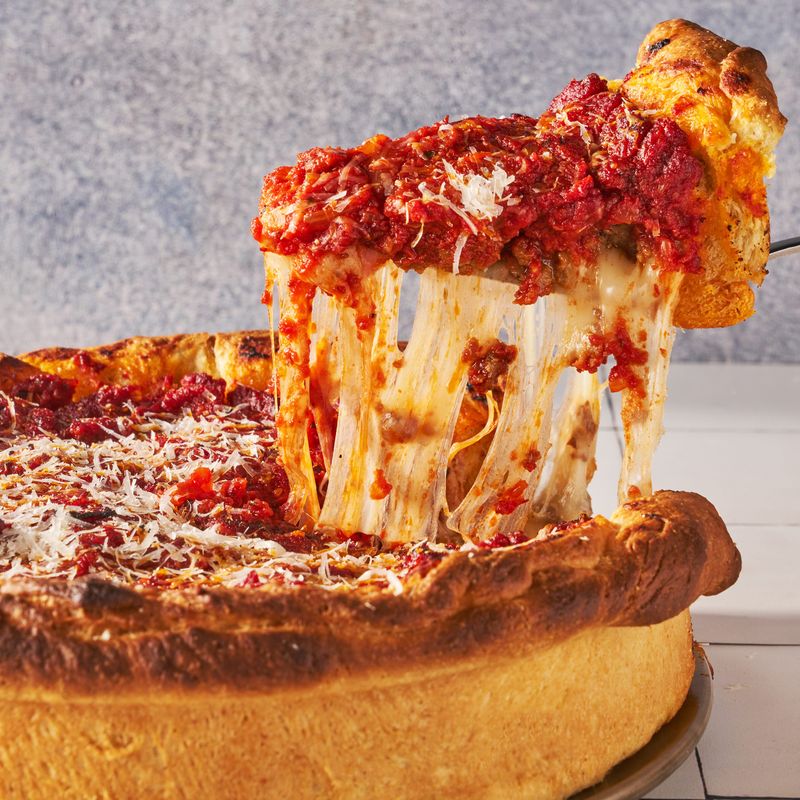
Grab a fork, because this pizza thinks it’s a pie. Chicago deep dish stacks its layers in a tall, round pan.
The order surprises newcomers. Cheese goes down first, toppings come next, and chunky tomato sauce sits on top.
Why flip things around? A long bake would scorch cheese on the surface, so the sauce acts like a shield.
Pizzeria Uno says it created deep dish pizza when it opened in 1943. The original spot still runs in a brick building in the River North neighborhood.
Plan for patience, since a deep dish takes much longer to bake than a thin pie. It’s a great excuse to slow down and chat with your table.
One slice can feel like a full meal for many eaters. You might want to order a smaller size than your stomach suggests.
Locals in Illinois also love tavern-style thin crust, cut into little squares. Still, deep dish remains the style visitors line up to try first.
Address: 29 E Ohio St, Chicago, IL 60611
3. Detroit-Style Pizza
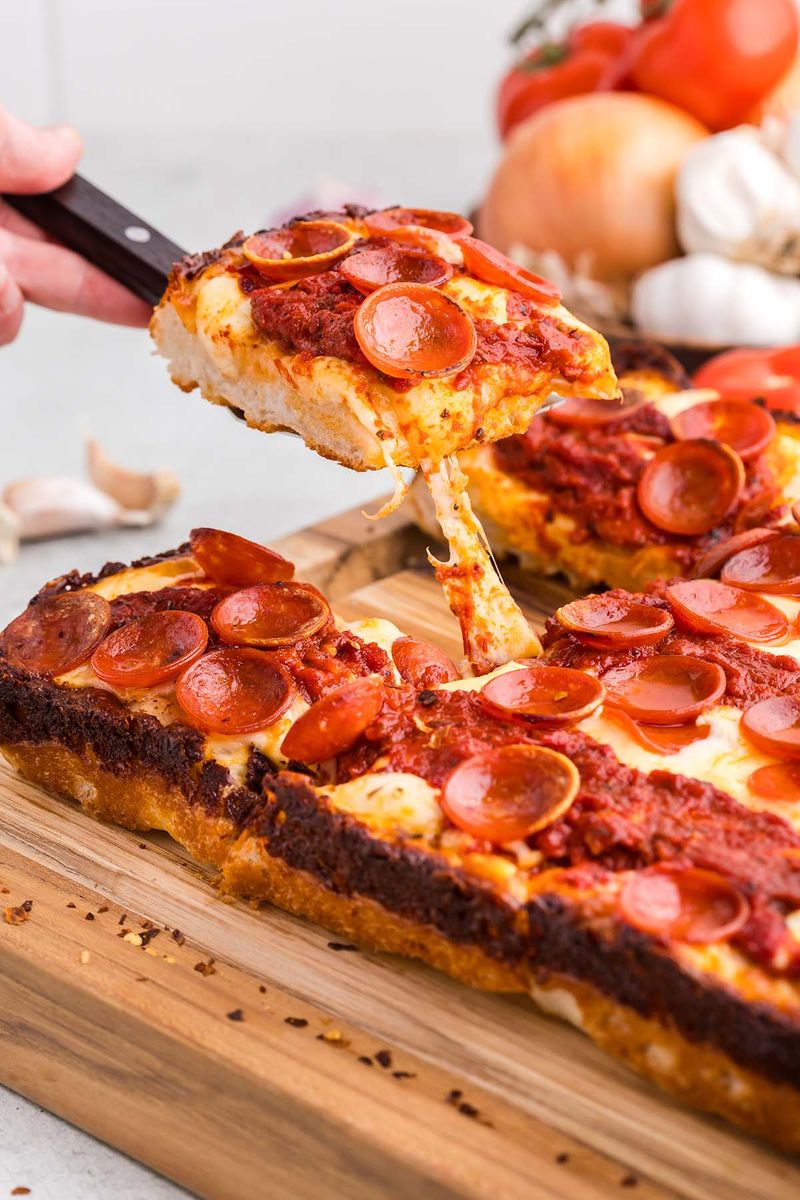
Car parts trays and pizza make an odd couple. In Detroit, though, they made history together.
Buddy’s Pizza says it introduced the style in 1946, baking square pies in blue steel pans. Those pans were first meant for holding auto parts in factories.
The pan does the heavy lifting. Cheese gets pushed to the edges, where it melts and turns into a dark, crunchy frame.
Sauce usually lands on top in stripes after the cheese. That keeps the airy crust from turning soggy.
The crust feels a bit like focaccia, thick but light inside. The bottom gets crisp from the oiled steel.
Fans often fight over corner pieces, since those carry the most crispy cheese. Each square pie has only four corners, so speak up fast.
The style has spread far beyond Michigan in recent years. Buddy’s original Conant Street shop remains the place where the story started.
Address: 17125 Conant St, Detroit, MI 48212
4. New Haven Apizza
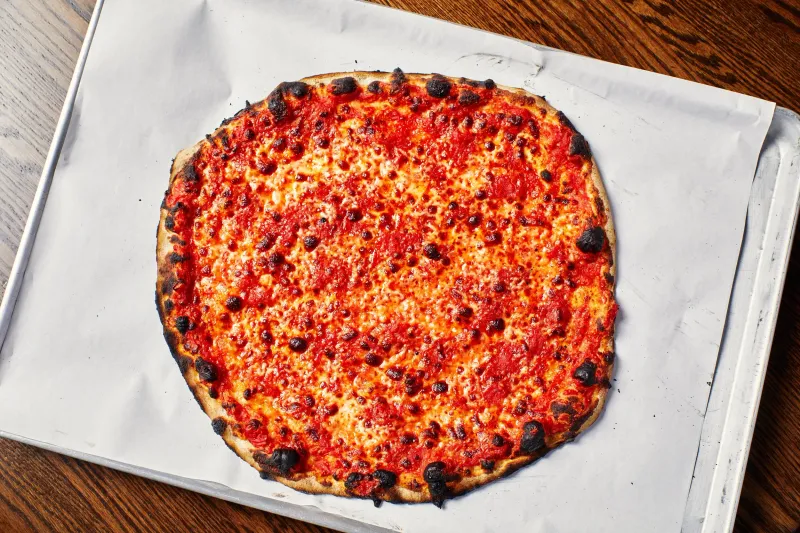
Say it like the locals do: ah-BEETS. That’s New Haven apizza, and the name alone tells you it plays by its own rules.
Frank Pepe Pizzeria Napoletana opened on Wooster Street in 1925. It still fires its pies in a coal-fired brick oven.
Expect a thin, chewy crust with dark charred spots. Pies often come out a little oblong and arrive on paper over a metal tray.
The big star is the white clam pizza. It skips tomato sauce and uses clams, garlic, olive oil, oregano, and grated cheese.
Clams on pizza might sound strange at first. Connecticut sits right on the shore, so seafood toppings make plenty of sense.
Mozzarella doesn’t come standard on a plain tomato pie here, so ask for it if you want it. That surprises a lot of first-timers.
Pepe’s has opened other locations over the years. The Wooster Street original is the one with the deepest roots.
Address: 157 Wooster St, New Haven, CT 06511
5. California-Style Pizza
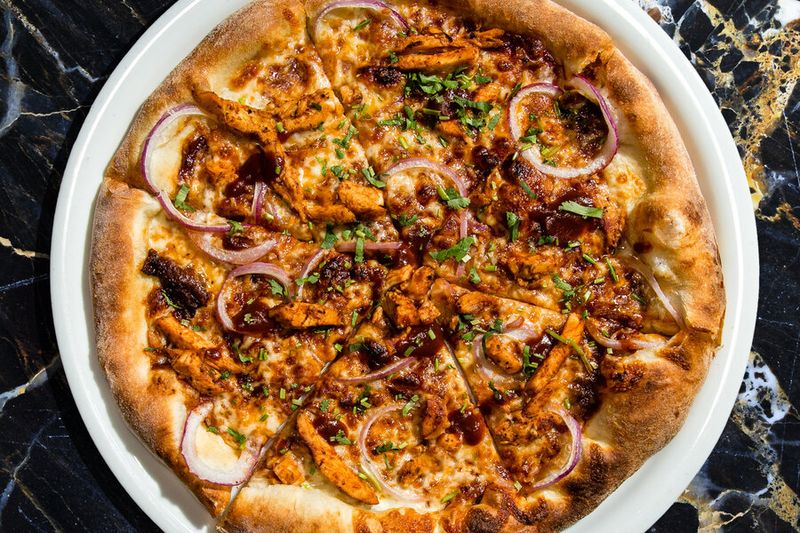
Barbecue sauce on pizza? California shrugged and said, why not.
California-style pizza is all about creative toppings on a thinner crust. Think fresh produce, global flavors, and combos that break old rules.
California Pizza Kitchen opened its first restaurant in Beverly Hills in 1985. Its BBQ Chicken Pizza became the famous signature pie.
That pizza pairs barbecue sauce with chicken, red onion, and cilantro. Smoky, sweet, and fresh all hit at once.
Chefs in the state also helped make wood-fired gourmet pizzas popular around the same era. The idea was simple: treat pizza like a canvas.
This style works great if your group can’t agree on toppings. Someone can go classic while someone else tries a wild combo.
Purists may raise an eyebrow at some choices. Still, plenty of today’s trendy toppings owe a thank-you note to this sunny style.
Address: 207 S Beverly Dr, Beverly Hills, CA 90212
6. Grandma Pizza
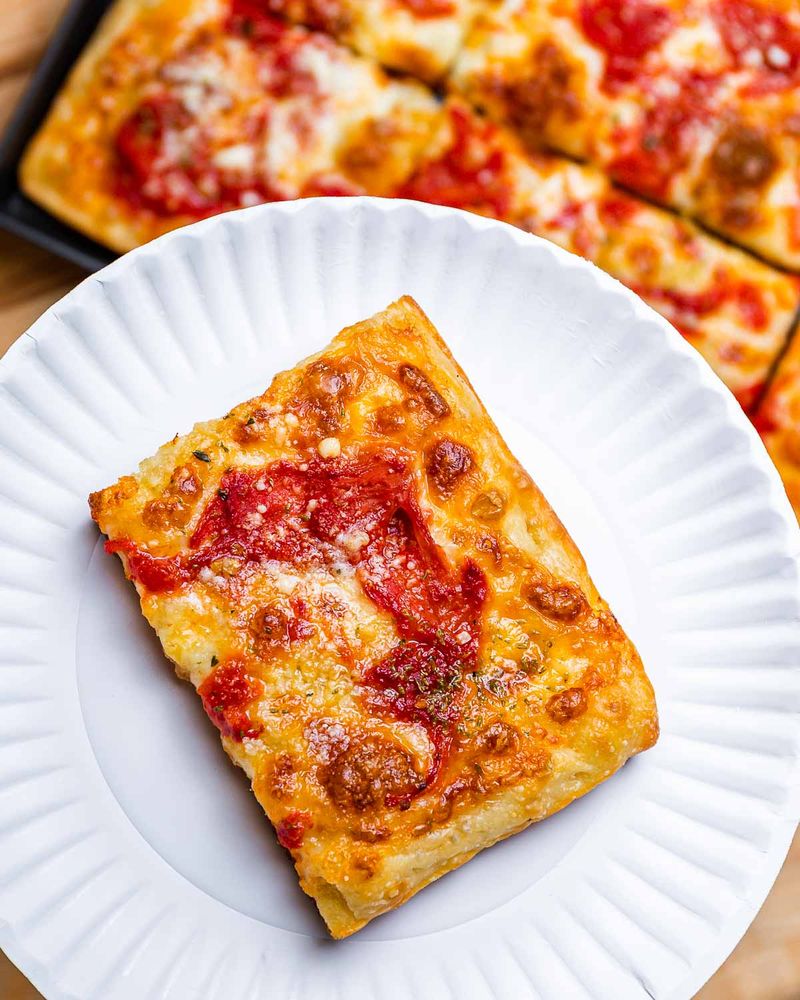
Some recipes start in restaurants, and some start in home kitchens. Grandma pizza proudly comes from the second group.
The idea grew from Italian home cooks on Long Island baking pizza in regular sheet pans. The result is square, thin, and crisp on the bottom.
Unlike a puffy Sicilian, the dough here stays fairly flat. It doesn’t rise as long, so the bite feels lighter.
Mozzarella usually goes down first, with crushed tomato sauce spooned over the top. Garlic and olive oil often join the party.
Umberto’s of New Hyde Park is widely credited with helping bring the grandma pie to pizzeria menus. The restaurant has served Long Island since the 1960s.
Squares make sharing easy at parties and family dinners. Kids and adults can grab a small piece without any slicing drama.
Try it next to a regular round New York pie for a fun taste test. Same state, very different personalities.
Address: 633 Jericho Turnpike, New Hyde Park, NY 11040
7. Old Forge Pizza
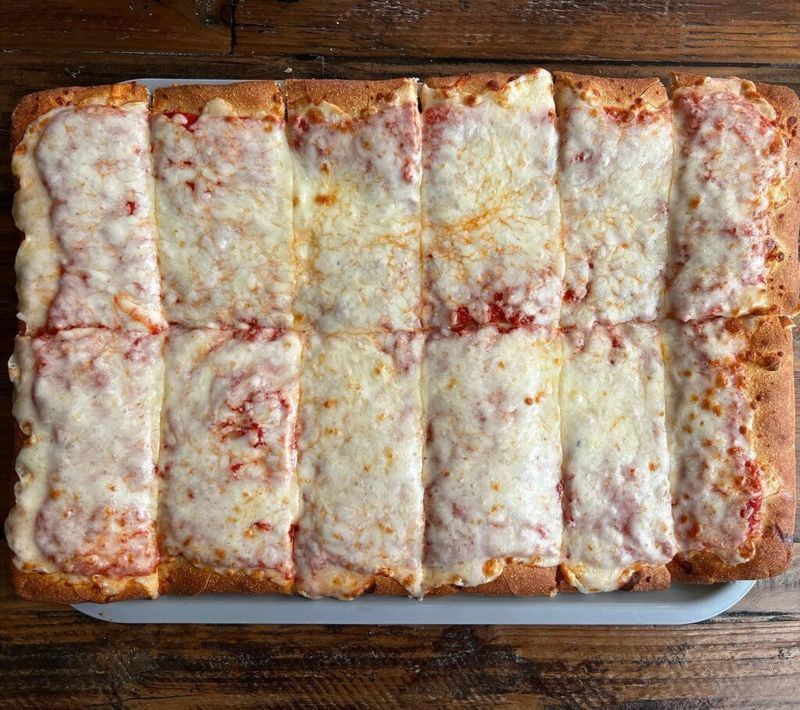
Ordering pizza in Old Forge comes with its own vocabulary. You don’t ask for slices here, you ask for cuts.
This small Pennsylvania borough calls itself the Pizza Capital of the World. That’s a big title for a small town, and it wears it proudly.
Old Forge pizza comes in rectangle trays cut into squares. Red pies use a slightly sweet sauce with a blend of cheeses.
Many shops also serve white pizza, which often has a top and bottom crust. Think of it as a pizza that came with its own lid.
Revello’s Pizza is one of the town’s long-running spots. It serves both red and white trays in the classic local way.
Many local shops sit just steps apart along Main Street. That makes comparing styles easy if you’re up for some friendly research.
Bring a group and order by the tray. A half tray is great when you want to save room for a second shop.
Address: 502 S Main St, Old Forge, PA 18518
8. Trenton Tomato Pie
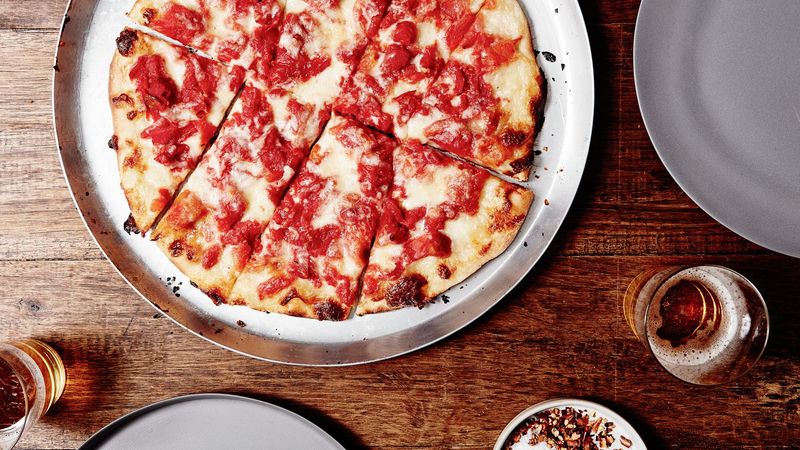
In central New Jersey, the pizza looks like it got dressed backward. Cheese and toppings go on first, then tomatoes cover the top.
Locals call it a tomato pie, and the name fits. The bright red sauce is the first thing you see and taste.
De Lorenzo’s family has been making tomato pies since the 1930s. Its shop now operates in Robbinsville, near the city where the tradition grew.
The crust is thin and crisp, so a pie doesn’t feel heavy. You might finish one faster than you planned.
Putting sauce on top keeps the tomato flavor bold and fresh. It also stops the thin base from getting soggy under the cheese.
Tomato pie has deep roots around Trenton, where Italian immigrants opened bakeries and pizzerias. Several old-school names still keep the style going.
Craving something truly local in the Garden State? Skip the familiar chains and give this saucy upside-down classic a try.
Address: 2350 Route 33, Robbinsville, NJ 08691
9. Brooklyn Sicilian Square
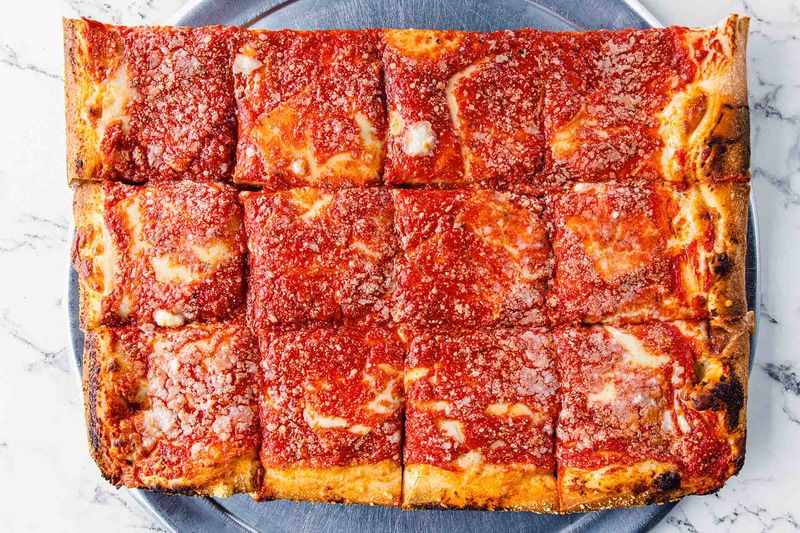
Thick, fluffy, and drenched in sauce, this square looks like a pillow that fell into a tomato garden.
L&B Spumoni Gardens in Brooklyn has served its Sicilian square since 1939. It’s one of the city’s best-known takes on the style.
The dough rises tall and soft in a rectangle pan. Cheese sits underneath while the sweet tomato sauce covers the top.
Sicilian pizza traces back to sfincione from Sicily, a spongy bread pie. Immigrants in New York adapted it with local ingredients.
L&B also sells spumoni, a layered Italian ice cream treat. Ending a pizza meal with it feels like a mini celebration.
The shop has outdoor seating, which makes summer visits fun. Grab a square, find a spot, and let the sauce do its thing.
Compared with a thin slice, one square fills you up quickly. Two might be your limit, and that’s no shame at all.
Address: 2725 86th St, Brooklyn, NY 11223
10. Colorado Mountain Pie
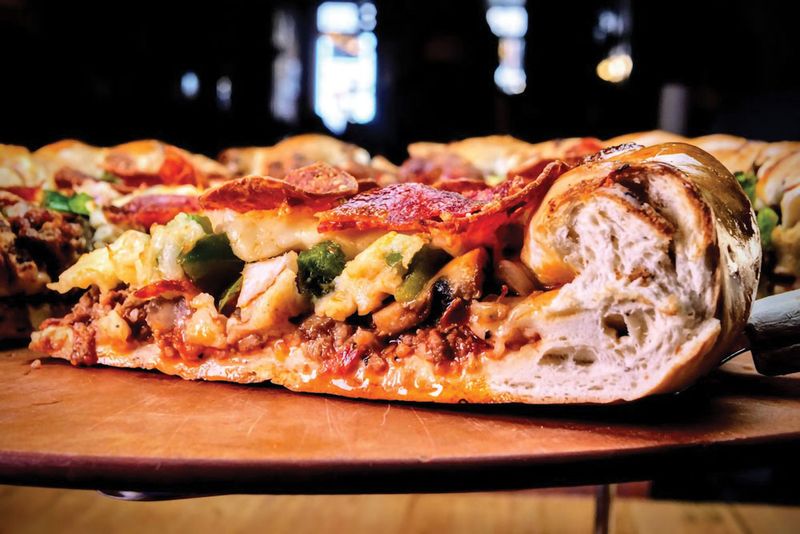
Honey for dessert sounds normal. Honey for your pizza crust is a Colorado tradition worth trying at least once.
Beau Jo’s started in Idaho Springs in 1973 and became famous for the Colorado Mountain Pie. The thick, braided edge is rolled by hand.
That tall rim works like a wall around the toppings. The pies get loaded high, so they’re hefty and filling.
When you reach the crust, grab the honey on the table. Drizzling it on turns the last bites into a sweet little treat.
Idaho Springs sits in the mountains west of Denver, along the road toward ski country. A big pizza makes sense after a day outside.
The pies are sold by weight, so ask your server about sizes before ordering. It helps keep your group from ordering a mountain you can’t climb.
Plenty of styles earn fame for their sauce or cheese. This one wins hearts by making the crust the best part.
Address: 1517 Miner St, Idaho Springs, CO 80452
Share this story