A scoop of gelato can feel richer than ice cream even when it contains less fat, which makes the frozen dessert counter a surprisingly good place for a little food science.
I like how that small puzzle leads to differences you can actually notice, including how quickly a spoon slides through your dessert and how clearly a chocolate or strawberry flavor comes through.
The ingredients matter, but so do the amount of air mixed in, the temperature at serving time, and the choices each maker makes while turning a sweet liquid into something worth saving room for.
Once you understand those details, choosing between gelato and ice cream becomes less about picking a winner and more about finding the texture, flavor, and eating experience that sound especially good to you today.
The Milk and Cream Balance Changes Everything
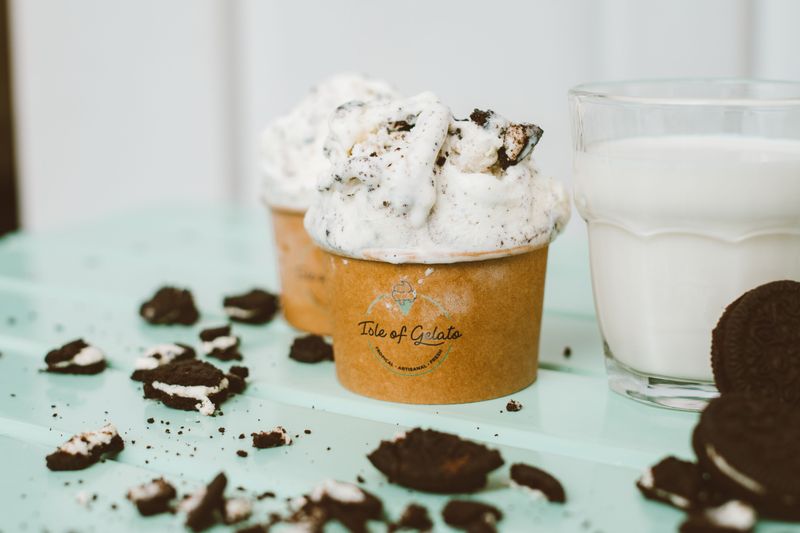
Richness doesn’t always come from pouring in more cream. Gelato usually starts with a higher share of milk, while many ice cream recipes lean more heavily on cream.
That balance helps explain why the two desserts can feel different despite sharing several basic ingredients. Both commonly contain milk, sugar, and flavorings, but their recipes aren’t locked into one universal formula.
Traditional dairy gelato often contains less milk fat than standard American ice cream. However, chocolate, nuts, and other additions can change the final fat content quite a bit.
For a useful comparison, look at matching flavors rather than judging pistachio gelato against plain vanilla ice cream. Packaged nutrition labels can help, especially when you compare the same serving weight instead of different scoop sizes.
Ask a shop about its base if the ingredients matter to your choice. The word gelato suggests a style, but it doesn’t tell you every detail about the recipe inside the case.
A milkier base can still produce a full, satisfying dessert when its other parts work together. Cream deserves some credit, but it certainly isn’t doing every single job in your bowl.
Air Is an Ingredient You Cannot See
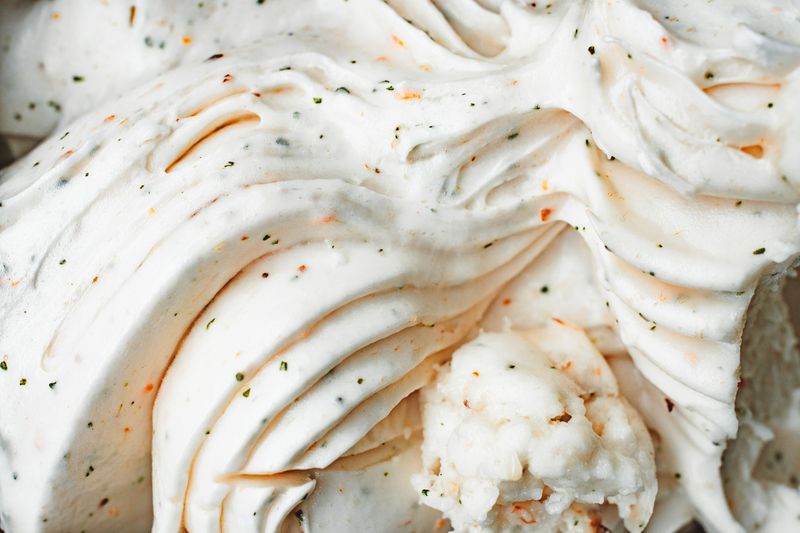
Your scoop contains something that never appears in the ingredient list as a separate food: air. During freezing, the machine mixes air into the liquid base while ice crystals begin forming.
Makers call the increase in volume overrun, which sounds more complicated than it really is. More incorporated air means the same amount of base fills a larger container.
Gelato generally has less overrun than many familiar ice creams, giving it a denser feel. Ice cream can feel lighter, although premium versions may also contain relatively little air.
Don’t assume a taller scoop contains more actual dessert than a smaller, heavier one. Comparing equal weights gives you a clearer picture than comparing how much space each serving takes up.
That also matters when checking nutrition information, because a cup measures volume rather than weight. Two equally sized cups may hold noticeably different amounts of food.
Neither airy nor dense automatically means better quality, so let your preference do some work. A light scoop can be lovely, and a compact spoonful can be equally appealing.
Air changes the experience without adding a flavor of its own to the finished dessert.
A Slightly Warmer Scoop Makes a Big Difference
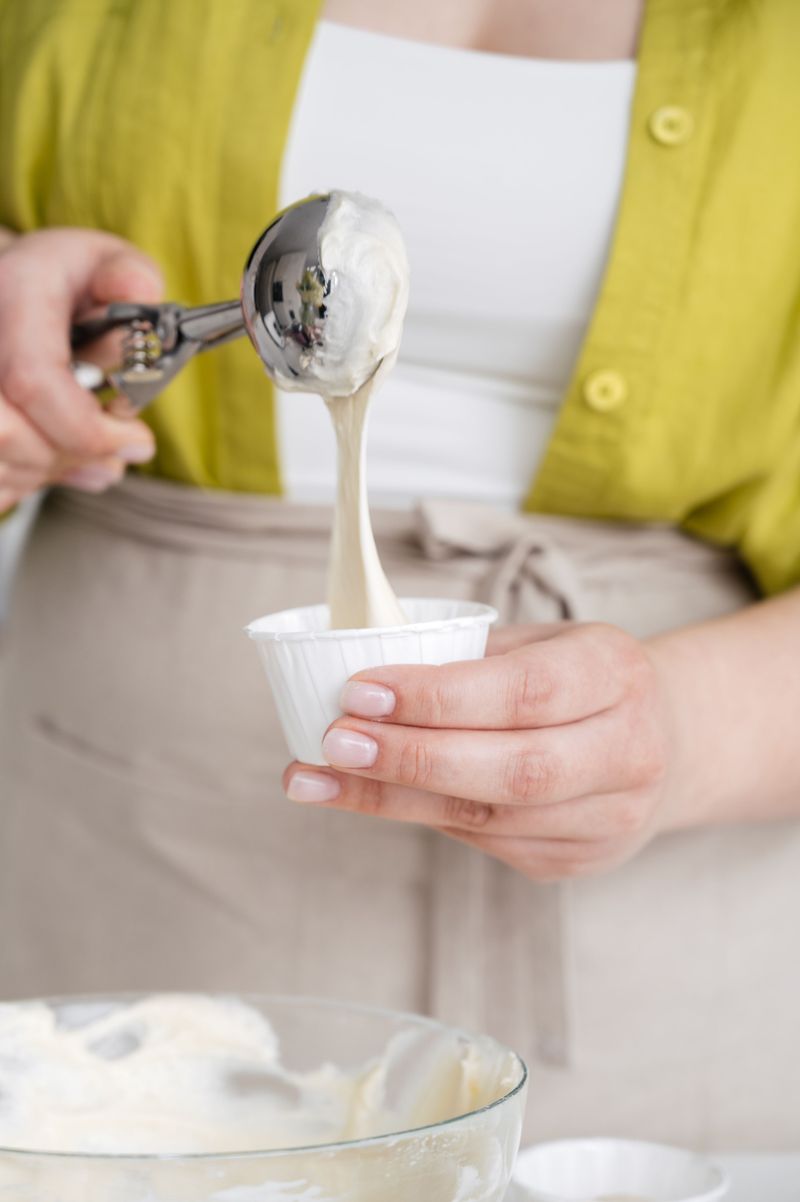
A freezer setting can change your dessert before you take the first bite. Gelato is commonly served warmer than ice cream, although both remain frozen when handled and served properly.
That warmer serving temperature helps gelato feel softer and easier to spread with a flat spade. Colder ice cream often holds a rounded scoop more firmly when it reaches your bowl.
Exact temperatures vary with the recipe, equipment, and maker, so one number cannot describe every shop. Sugar levels and other ingredients also affect how firm a frozen dessert becomes.
At home, gelato stored in a standard freezer may become harder than the version you remember from a counter. Let a serving soften briefly before eating rather than forcing a spoon through a solid block.
Ice cream can benefit from a short rest too, especially when it is extremely firm. Watch the texture instead of relying on a fixed waiting time.
Keep the rest of the container frozen while you prepare your portion, and return it promptly after serving. Softer serving does not mean storing dairy desserts on the counter.
The goal is a pleasant spoonful, not a melted carton.
Your Tongue Gets a Different Flavor Experience

Chocolate can announce itself differently depending on what carries it to your tongue. A dessert’s fat level, sweetness, temperature, and texture all influence how you notice its flavor.
Because gelato is often served warmer, its flavors may seem easier to pick out immediately. Very cold foods can reduce taste sensitivity, so a colder spoonful may reveal more as it warms.
Fat also affects how flavor compounds move through food and reach your senses. However, less fat doesn’t automatically mean stronger flavor, and more cream doesn’t automatically hide good ingredients.
A carefully made vanilla ice cream can taste wonderfully clear, while a poorly balanced gelato can disappoint. Ingredient quality and the amount of flavoring still matter enormously in either dessert.
Try comparing the same flavor in each style if you want to notice the differences. Take small bites and allow each one a moment before reaching for the next.
Plain chocolate, vanilla, or a familiar nut flavor can make that comparison easier than a heavily topped sundae. Crunchy extras and sauces are fun, but they add several competing signals.
Give the base a little attention before inviting the entire topping bar along.
Egg Yolks Are Optional, Not a Reliable Clue
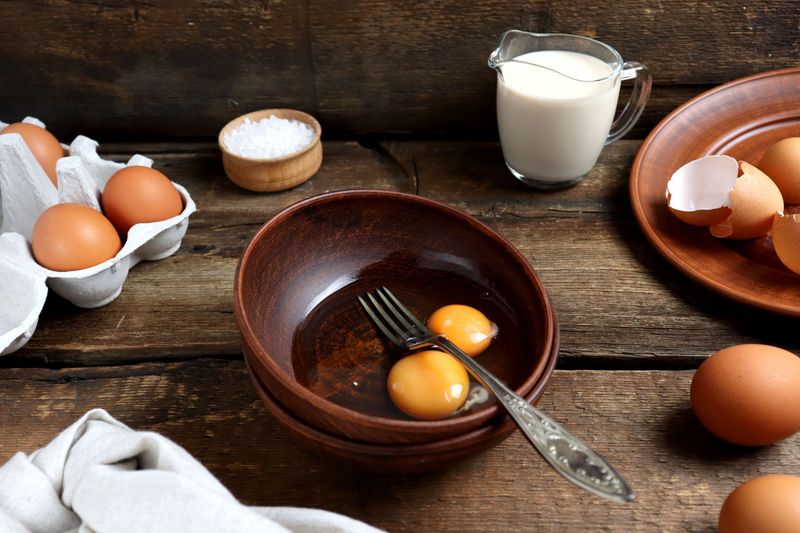
Yellow vanilla doesn’t give you a dependable answer about which dessert you’re eating. Egg yolks appear in some ice creams and some gelatos, while other recipes leave them out entirely.
Custard style ice cream uses yolks to help create its body and rich mouthfeel. Other ice cream styles use a base without eggs, so the category allows plenty of variation.
Gelato follows the same broad pattern: certain recipes include yolks, and others rely on different ingredients. A maker may choose different bases for chocolate, fruit, nuts, or a custard flavor.
Yolks supply fat and substances that help water and fat stay mixed together. They can also affect color and flavor, although other ingredients may create a yellow shade too.
Judging by appearance alone is therefore a shaky shortcut, especially under the lights of a display case. The ingredient list offers a much better answer than the color of your scoop.
For anyone avoiding eggs because of an allergy or dietary preference, ask directly about the exact flavor. Don’t rely on the words gelato or ice cream to settle that question.
Check shared equipment as well if contact with eggs presents a concern.
Smoothness Takes More Than a Different Recipe
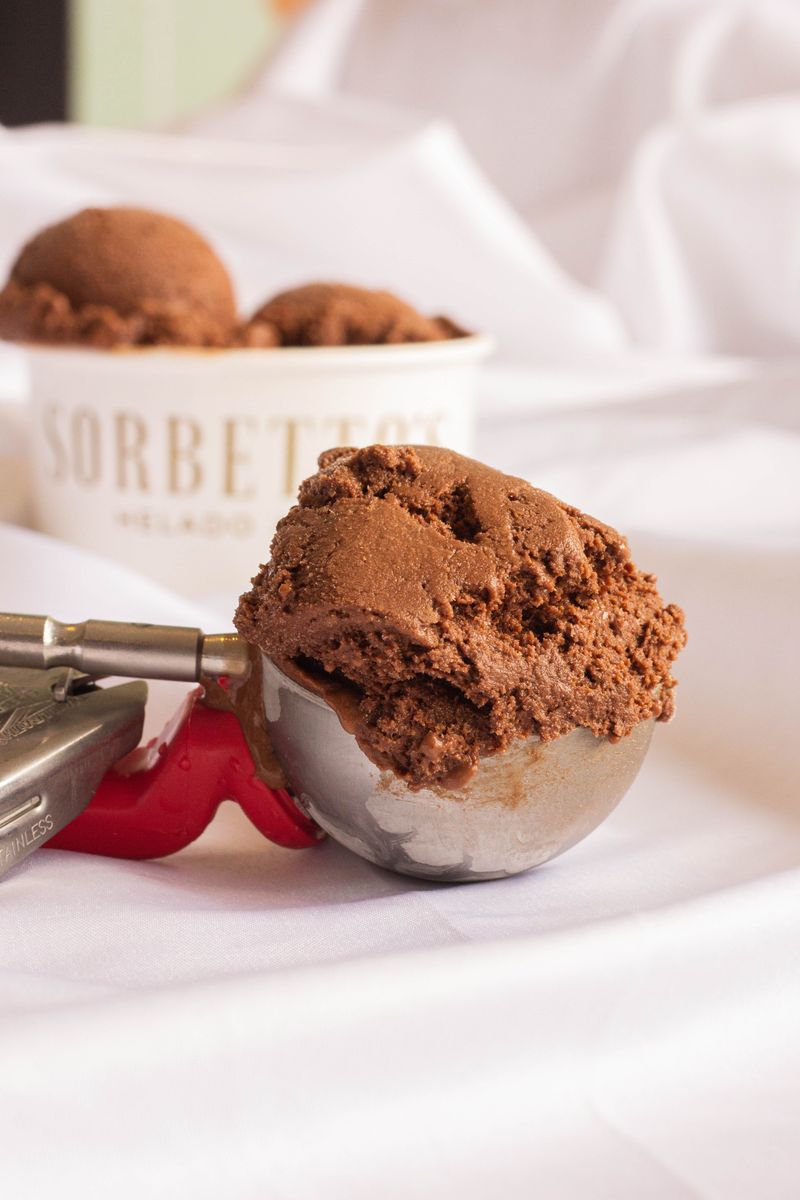
Nobody needs a tiny ice rink hiding inside a spoonful of dessert. Both gelato and ice cream depend on controlling ice crystals to create a pleasantly smooth texture.
Freezing speed, movement during freezing, and the recipe all help determine how those crystals develop. Good results require more than choosing milk instead of cream or changing a machine’s speed.
Gelato’s dense feel comes partly from its lower air content and typical serving temperature. Smooth ice cream can be just as carefully made, even when its texture feels lighter or firmer.
Storage matters after production because repeated warming and refreezing can encourage larger crystals to develop. That means either dessert can become coarse when its temperature changes too much over time.
Choose frozen containers near the end of your grocery trip and get them home promptly. An insulated bag helps protect the texture, especially during warm weather or a longer journey.
At home, keep the lid secure and avoid leaving the whole carton out through a leisurely dessert break. Scoop what you need, then put the container away.
Careful handling won’t improve a poor recipe, but it can help preserve a good batch.
The Names Follow Different Rules

Labels tell a slightly different story in the United States than they do in everyday conversation. Ice cream has a federal standard of identity, while gelato has no separate equivalent federal standard.
For most standard ice cream, the rules require at least ten percent milk fat. Other requirements and certain ingredient adjustments also apply, so that figure isn’t the entire legal definition.
A product called gelato can follow a maker’s chosen recipe rather than one fixed national gelato formula. That helps explain why two brands may differ quite a bit in fat, density, or ingredients.
Read the actual product name on a package instead of relying only on a large flavor name. Some frozen products use other descriptions because their formulas don’t meet the ice cream standard.
Those products can still be enjoyable, but the wording tells you something useful about their category. Turn the carton around when you want details about what makes that particular version different.
Outside the United States, rules and everyday terms may change, so avoid treating American labels as universal. In Italian, gelato simply means ice cream.
Context matters almost as much as the lettering on the lid.
A Lighter Recipe Does Not Promise a Lighter Serving
The word gelato isn’t a shortcut to a healthier dessert. A lower milk fat level tells you only one part of the nutrition story, not the whole picture.
Sugar, nuts, chocolate, sauces, and portion size can all change the numbers in your bowl. Because gelato is often denser, the same volume may contain more food by weight.
Comparing half a cup of each can therefore be less useful than it first appears. Check equal weights when possible, then consider how much you actually plan to eat.
Neither regular dairy gelato nor regular ice cream should be assumed suitable for someone avoiding lactose. A milkier recipe still contains milk, and freezing doesn’t remove its lactose.
Plant based versions exist in both styles, but their ingredients and nutrition can differ widely. Read labels and ask about preparation when an allergy or dietary need shapes your decision.
For everyday enjoyment, pick a portion that suits your appetite and a flavor you genuinely want. There is no need to turn every scoop into a math assignment.
A quick look at reliable information simply helps you choose without giving a dessert name more credit than it deserves.
The Best Choice Depends on Your Dessert Plans

Choosing a favorite gets easier when you stop asking which dessert wins every contest. Gelato and ice cream offer different combinations of density, firmness, richness, and flavor release.
For a soft, compact spoonful with a clearly defined flavor, gelato may fit your mood. For a firmer scoop or a creamier style, a particular ice cream may suit you better.
Those are starting points, not promises, because recipes vary across shops and brands. A dense premium ice cream may feel closer to gelato than a very airy supermarket version.
Consider how you plan to serve it, especially alongside warm baked desserts or inside a sandwich. Firmness affects handling, and a softer product may need a chilled bowl and quick serving.
If samples are available, compare matching flavors before adding toppings or choosing a large portion. Ask about ingredients and serving style rather than expecting the name alone to explain everything.
Most of all, leave room for personal preference instead of treating tradition as a scorecard. You might prefer gelato for one flavor and ice cream for another.
That’s not indecision; it’s simply a sensible reason to keep both options on your dessert list.
Share this story