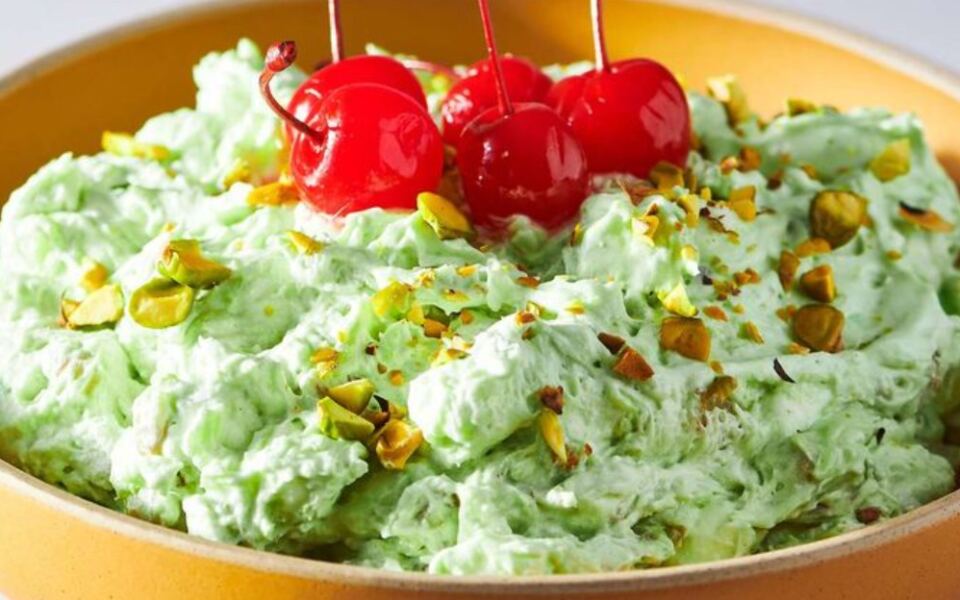
Pistachio pudding, crushed pineapple, whipped topping, marshmallows, and pecans turn into a pale green dessert without an oven ever switching on. Watergate salad belongs to that cheerful corner of American cooking where a bowl of something sweet can still earn the name salad.
I like how little equipment it asks for: a bowl, a spoon, and enough refrigerator space to let everything chill. The ingredients are easy to recognize, but one small detail matters more than you might expect: the pineapple juice stays in the bowl.
For anyone who enjoys a make-ahead dessert, that simple method makes this retro favorite worth another look, especially when the kitchen already feels busy. Its appeal goes beyond the color, though, because knowing what to mix first, what to fold gently, and when to serve it makes all the difference.
Five Ingredients Really Can Handle Dessert
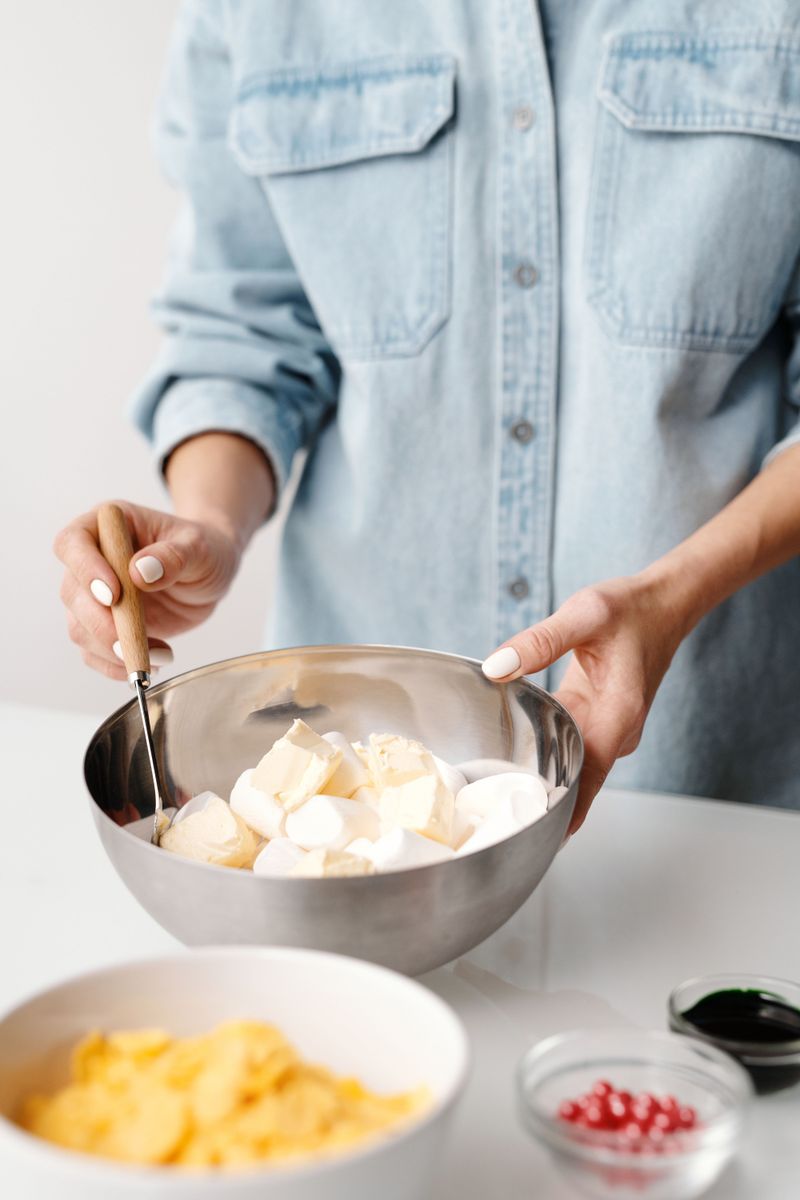
A dessert with a shopping list this short deserves a little attention. Watergate salad brings together instant pistachio pudding mix, crushed pineapple, miniature marshmallows, chopped pecans, and thawed whipped topping.
For a familiar batch, use one small box of pudding mix and one twenty-ounce can of undrained crushed pineapple. Add one cup of miniature marshmallows, half a cup of chopped pecans, and one and a half cups of topping.
Check your pudding package because box sizes can vary between brands and formulas. You want instant pudding, not the kind that needs cooking, and you won’t prepare it with milk first.
Those five ingredients each have a job beyond simply making the bowl sweeter. Pineapple supplies moisture, pudding helps thicken the mixture, topping adds lightness, marshmallows soften, and pecans provide crunch.
Measure everything before you start so the mixing stays simple and the topping doesn’t sit out unnecessarily. A large bowl gives you room to work without sending marshmallows across the counter like tiny escape artists.
Keep the ingredient labels handy if you’re serving anyone with food allergies. Pistachio flavoring, pecans, and topping formulas deserve attention before the first spoonful reaches the table.
Leave That Pineapple Juice Right Where It Is
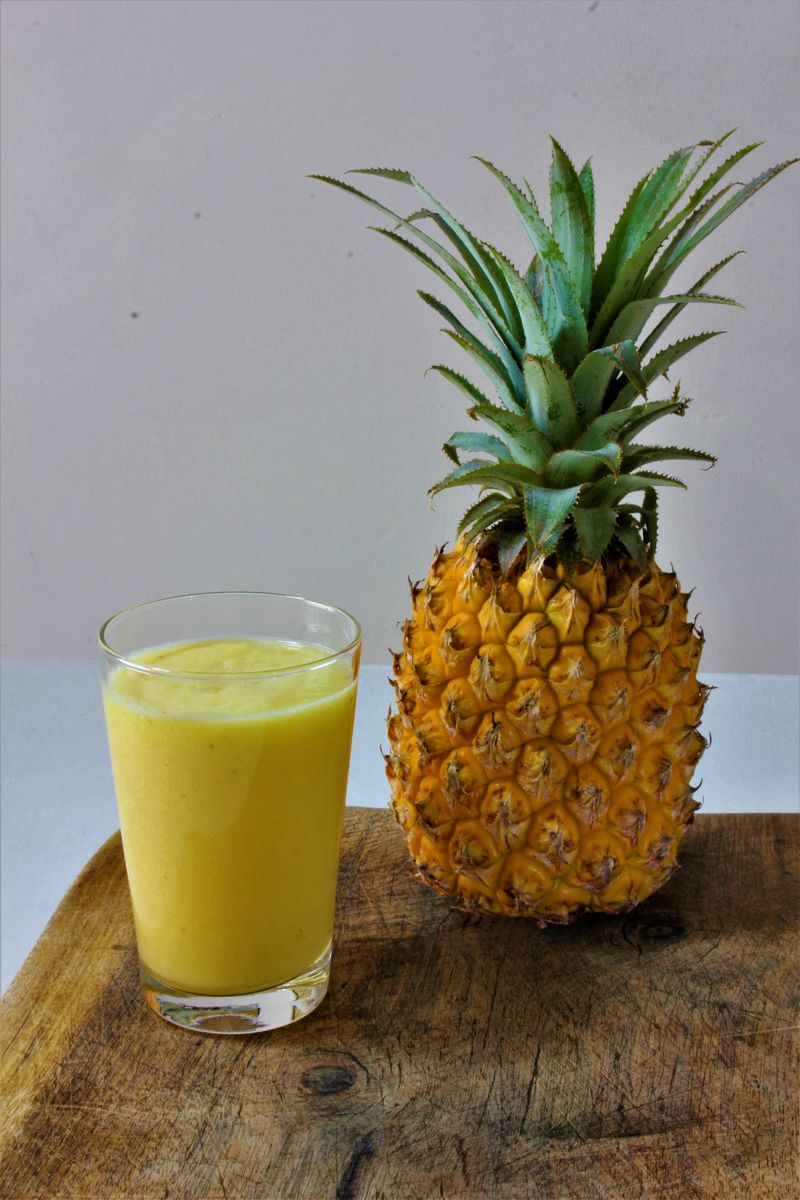
Put the strainer away before opening the pineapple, because that juice belongs in your dessert. It supplies the liquid that moistens the dry pudding mix and helps bring the base together.
Pour the entire can into a large bowl, then add the instant pistachio pudding powder. Stir until you no longer see dry pockets hiding along the bottom or sides of the bowl.
Crushed pineapple works well because its small pieces spread through the mixture without much extra effort. Larger chunks create a different bite and may need chopping before they fit comfortably on a spoon.
Don’t follow the milk directions printed on the pudding box for this recipe. You’re using the powder as an ingredient in a fruit mixture, rather than making a separate bowl of pudding.
If the base looks loose immediately after stirring, give the pudding a little time to hydrate. Adding more dry mix right away can throw off the flavor and leave the finished dessert overly thick.
That ordinary can of pineapple is doing more work than its modest appearance suggests. Keeping its juice is one of the easiest ways to avoid a disappointing batch before the topping even enters the picture.
Let the Pistachio Mix Do Its Job
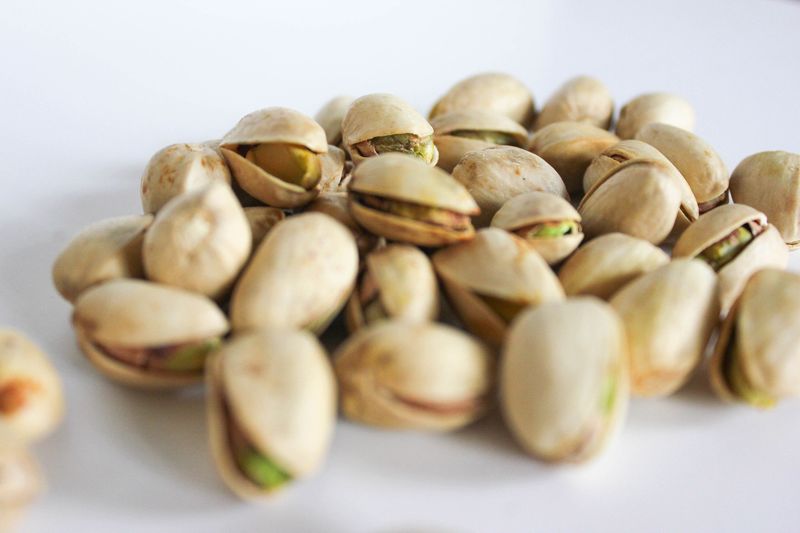
That familiar green color starts with the pudding mix, not a separate bottle of food coloring. Instant pistachio pudding also supplies sweetness and thickening ingredients, making it central to the dessert’s easy method.
Read the package carefully before putting it in your cart, especially when similar boxes share a shelf. Cook-and-serve pudding isn’t a direct replacement because it needs heat to develop its intended consistency.
Different brands can use different flavorings, colors, nuts, and sweeteners in their mixes. Check the ingredient list rather than assuming every pistachio pudding contains the same ingredients or suits the same dietary needs.
A sugar-free version may work differently from a regular mix, particularly when package weights differ. For your first batch, following a recipe written for your chosen pudding makes the outcome easier to predict.
You also don’t need to boost the green shade for the dessert to look right. A soft pastel color is plenty, and the finished shade naturally depends on the mix and topping you use.
I think the shortcut is part of the appeal rather than something to apologize for. Save elaborate pudding projects for another day; this bowl earns its place by keeping dessert pleasantly uncomplicated.
A Gentle Fold Keeps the Fluff
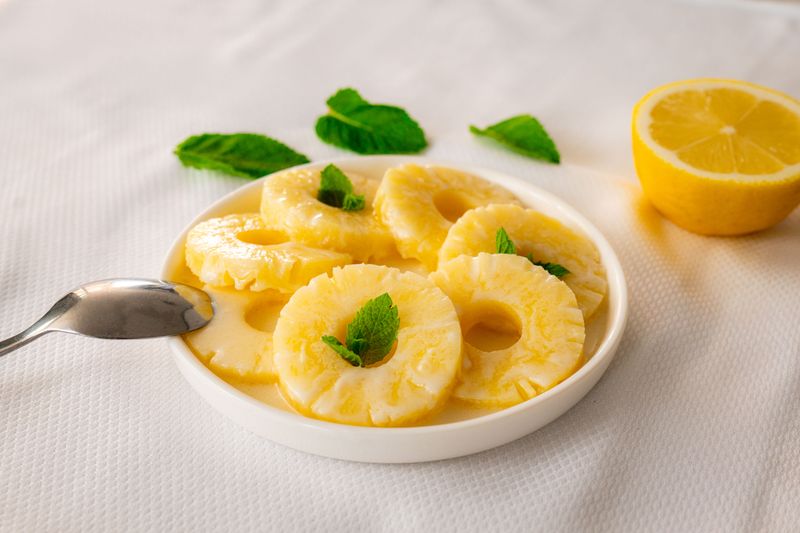
Your spoon has two different jobs here, and knowing when to switch approaches helps. Stir the pineapple and pudding thoroughly, but handle the whipped topping with a much lighter touch.
Start with topping that has thawed according to its package directions, usually in the refrigerator. Frozen lumps are difficult to blend, and forcing them through the mixture encourages more stirring than you need.
Add the marshmallows and pecans to the pineapple base, then gently fold in the topping. Some recipes change that order slightly, but protecting the topping’s airy structure remains the useful rule.
Slide a broad spatula down the side of the bowl and lift the mixture over itself. Turn the bowl as you work, stopping when the color looks even and large white streaks disappear.
An electric mixer isn’t necessary and gives you less control over this delicate final step. A flexible spatula also reaches the bottom corners, where heavier pineapple can collect while the topping stays above.
Fresh whipped cream appears in some variations, but it doesn’t behave exactly like packaged whipped topping. Use a recipe designed for that swap instead of assuming equal amounts will keep the same texture through overnight refrigeration.
Marshmallows and Pecans Keep Every Bite Interesting

Soft, creamy desserts benefit from a little interruption, and chopped pecans provide exactly that. Miniature marshmallows bring another texture, starting springy and becoming softer as they sit in the chilled mixture.
Use small marshmallows so they spread evenly instead of taking over each spoonful. Cutting large ones is possible, but their sticky surfaces make that shortcut less convenient than buying the miniature size.
Chop pecans into pieces that are easy to eat alongside the fruit and fluff. Very large pieces can dominate the bowl, while an almost powdery chop loses much of the pleasant contrast.
For a nuttier flavor, you can toast the pecans briefly before adding them to the recipe. Let them cool completely first, since warm nuts aren’t helpful when you’re trying to keep whipped topping cool.
Serving someone with a nut allergy requires more thought than simply leaving out the pecans. The pudding mix may contain pistachios or other relevant ingredients, so read every label and discuss safe options beforehand.
Want a little crunch left for serving time without changing the basic recipe? Reserve some of the measured pecans and scatter them over the bowl just before it reaches the table for everyone.
The Refrigerator Finishes What the Spoon Starts
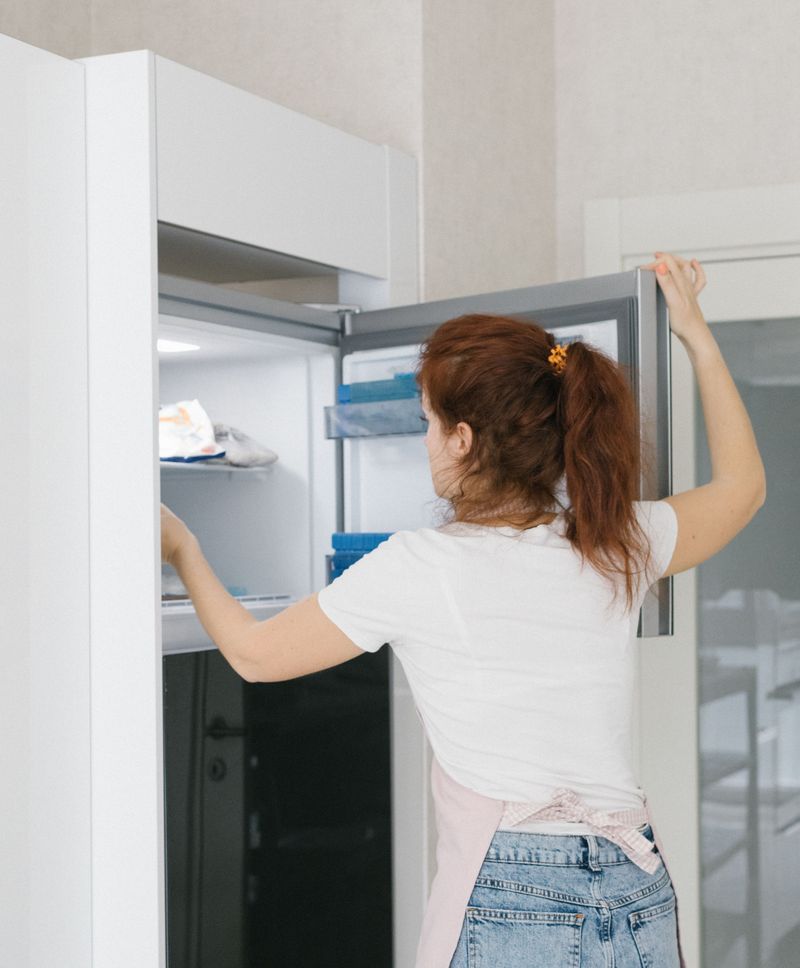
Patience is the only part of this recipe that doesn’t come from a package. After mixing, cover the bowl and refrigerate it for at least an hour before you plan to serve.
That rest gives the pudding time to thicken and lets the marshmallows soften in the mixture. The dessert also becomes thoroughly cold, which makes its sweet, creamy character feel more balanced.
Making it the night before can fit neatly around a busy lunch or holiday meal. Keep it covered, and expect the nuts and marshmallows to soften more during the longer rest.
Before serving, check the bottom of the bowl for any liquid that has collected. A gentle fold can bring a slightly separated mixture back together without beating out all its lightness.
Store leftovers promptly in a covered container and use them within three to four days. Follow any shorter storage guidance on your ingredients, and discard food that hasn’t been kept safely chilled.
Freezing isn’t the best first choice when you want the original fluffy texture after thawing. For a small household, making a smaller batch often works better than asking the freezer to preserve every last spoonful perfectly.
Serve It Like Dessert, Whatever the Name Says
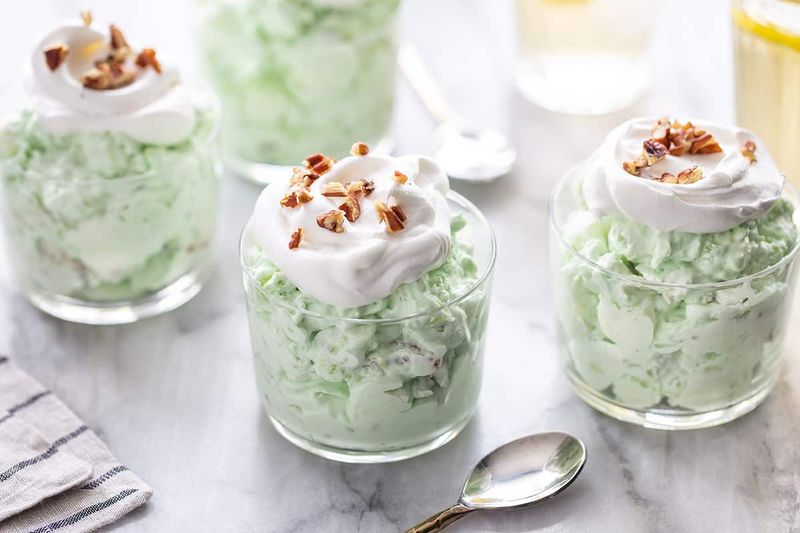
Salad is doing some generous work in this dessert’s name, and that’s part of its charm. With sweet pudding, marshmallows, and whipped topping, the bowl makes the most sense as a treat.
You can serve it in one large dish with a spoon for easy family-style portions. Small dessert cups offer another option, especially when you want tidy servings that guests can pick up easily.
A clear bowl shows off the pale green mixture without requiring any extra decoration. Scatter a few reserved pecans across the surface, and the five-ingredient recipe already looks ready for the table.
At a gathering, keep the serving bowl refrigerated until shortly before people are ready to eat. Set out smaller amounts and refill from the refrigerator when the meal stretches over a longer period.
Perishable food shouldn’t sit at room temperature for more than two hours during ordinary serving conditions. When the temperature rises above ninety degrees Fahrenheit, shorten that limit to one hour for food safety.
Small portions are a sensible starting point because the ingredients already bring plenty of sweetness. Anyone who wants another spoonful can return, and your dessert table won’t need a complicated presentation to feel inviting.
Keep the Retro Appeal, Skip the Shaky Origin Story
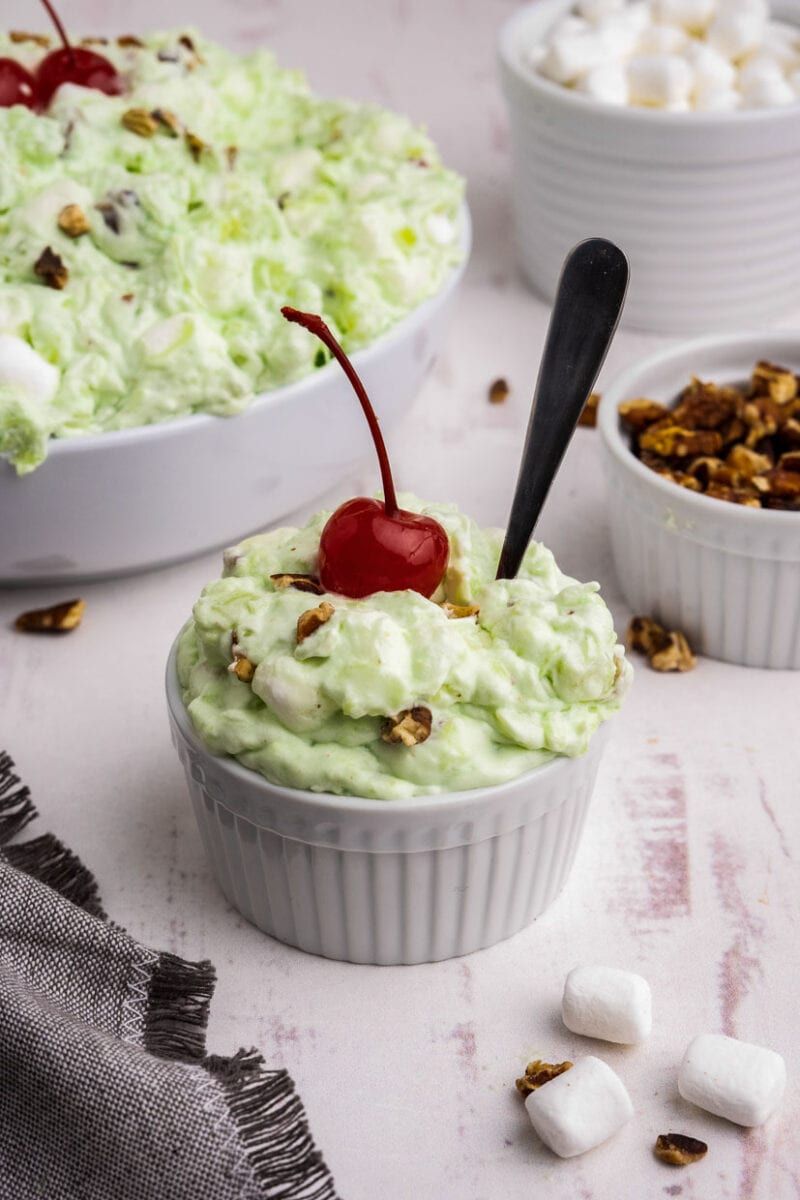
A memorable name can travel farther than a tidy explanation of where it came from. Watergate salad has collected competing origin stories, so a confident tale about one inventor deserves a careful second look.
The dessert is widely associated with the convenience-food cooking of the nineteen seventies and community recipe sharing. Its combination of packaged pudding, canned fruit, and whipped topping helps explain that lasting retro identity.
Claims connecting the name to a particular hotel or a single dramatic naming moment need reliable support. Without that evidence, it’s better to enjoy the recipe than repeat a colorful explanation as settled fact.
You may also encounter related recipes under names such as pistachio fluff or pistachio delight. Those names can describe similar mixtures, though ingredient amounts and additions aren’t guaranteed to match from recipe to recipe.
A handwritten family card can tell you how one household made it, which is useful in its own right. It doesn’t necessarily establish where the dessert began or who first gave it its famous name.
For me, the interesting part is how easily the method still fits a modern kitchen. A recipe doesn’t need an airtight legend to deserve another turn at the table.
Make One Classic Batch Before You Start Tinkering
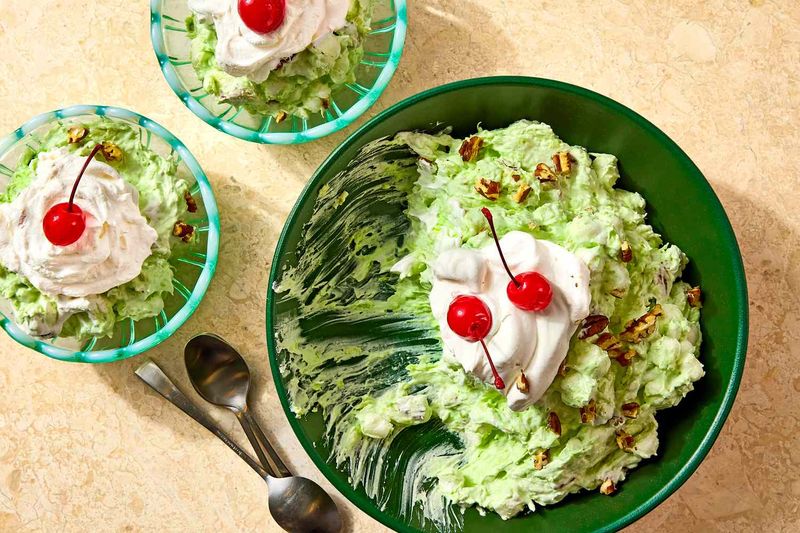
Resist the urge to turn your first bowl into a full dessert experiment. Making the basic version once gives you a useful starting point for sweetness, thickness, and the balance between fruit and fluff.
Measure the pineapple, pudding, marshmallows, pecans, and topping rather than judging everything by eye. Small changes can matter, especially when extra fruit introduces more liquid or extra topping makes the mixture much softer.
After tasting the chilled result, decide what you actually want to adjust next time. Perhaps smaller pecan pieces would suit you better, or reserving some nuts until serving would preserve more crunch.
Changing several ingredients at once makes it difficult to know which choice improved the bowl. Keep a short note with your recipe so a successful version doesn’t depend on remembering an improvised handful.
Additional fruit and decorative toppings appear in plenty of variations, but they’re optional rather than necessary. They also move the dessert beyond the simple five-ingredient idea that makes this version so easy to repeat.
The strongest reason to revisit Watergate salad isn’t novelty or a complicated kitchen trick. It’s the pleasure of making a cheerful dessert with a short shopping list and very little fuss.
Share this story