A friend hands you a plastic bag of bubbly, sweet batter, plus a page of instructions. Now you have ten days of homework, and the homework smells like yeast.
That bag holds Amish Friendship Bread Starter. It’s a mix of yeast, flour, sugar, and milk that keeps growing as long as you feed it.
On day ten, you bake a loaf and give the extra away.
I love that the whole thing works like a chain letter you can actually eat. The name points to the Amish, and Pennsylvania is home to the oldest continuous Amish community in the country.
The real story is a bit twistier, though.
So why does this squishy bag keep landing on kitchen counters everywhere? And what should you do when it lands on yours?
It’s Basically Sourdough With a Sweet Tooth
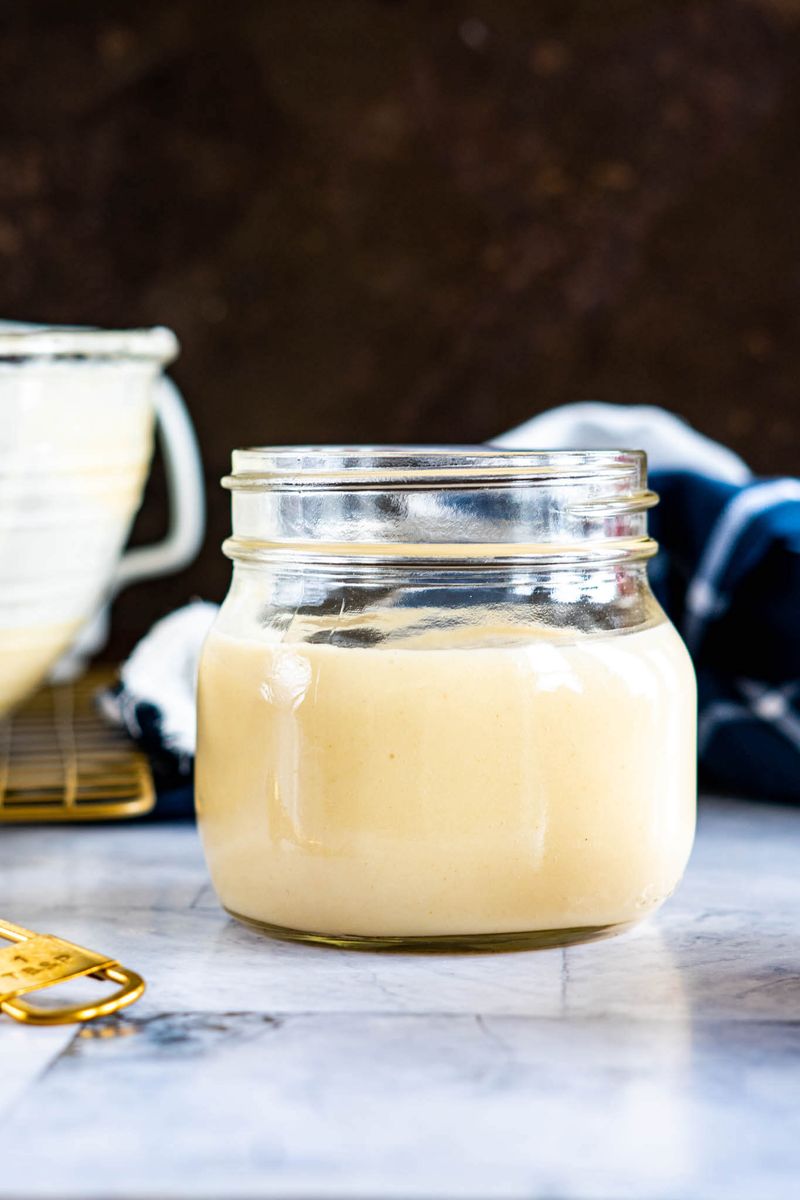
Milk and sugar in a bag sounds like a pancake mix gone rogue. In reality, it’s a living culture called a starter.
The basic recipe uses active dry yeast, all-purpose flour, granulated sugar, and milk. Many bakers reach for whole or 2% milk.
Regular sourdough starter usually uses just flour and water. That simple pairing gives sourdough its famous tangy, sour bite.
The Amish version takes a softer path. Thanks to the sugar and milk, it turns out sweet with just a gentle hint of tang.
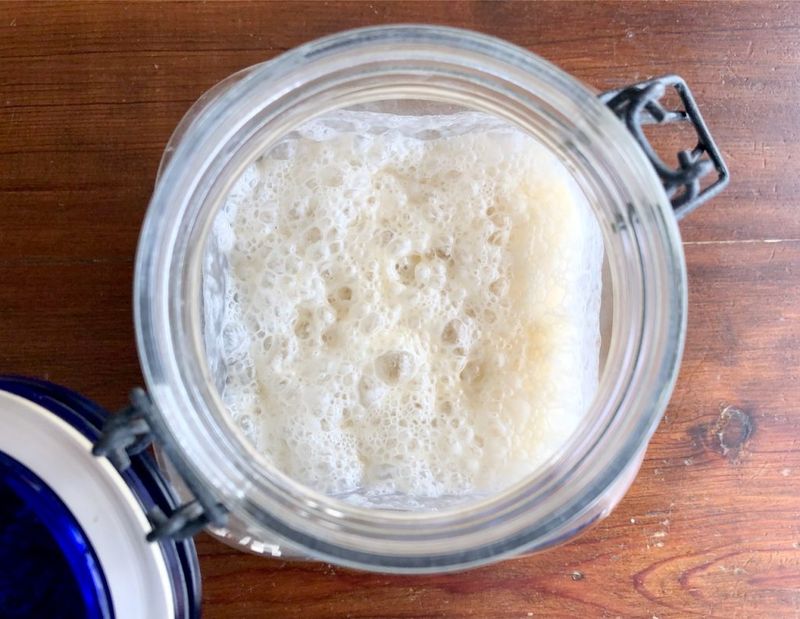
Inside the bag, the yeast eats the sugar and makes gas. That’s why the bag puffs up and the batter looks bubbly and alive.
Think of it as a tiny pet that lives on your counter. It doesn’t need walks, but it does need regular meals and a little attention.
A healthy starter should smell pleasantly yeasty and a bit sour. If yours smells that way, congratulations, your new roommate is thriving.
Since it’s made from simple pantry items, anyone can start a batch from scratch. You don’t need a fancy bakery or special gear to join the fun.
Ten Days, One Bag, and a Very Specific Schedule
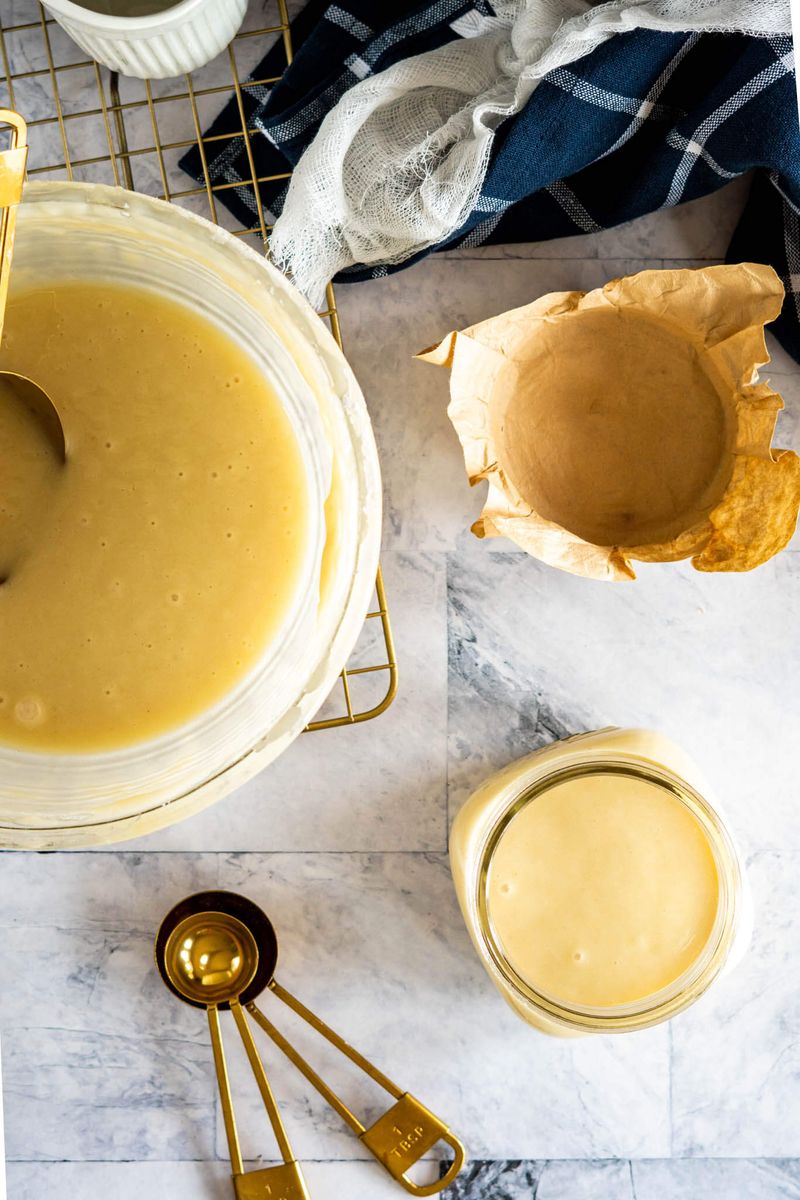
Patience is the secret ingredient nobody lists on the recipe card. The starter follows a cycle that lasts about ten days.
Most of those days are easy. You simply mash the sealed bag with your hands to mix everything up.
On certain days, the starter gets fed. Many instructions call for adding more flour, sugar, and milk on Day 6 and again on Day 10.
Feeding gives the yeast fresh food. Without it, the culture runs out of fuel and slows way down.
Day 10 is the big finale. After the last feeding, you divide the batter into one-cup portions.
One cup goes into your bread. Another cup stays with you to start the next cycle.
The rest, usually two or three cups, goes to friends or neighbors. Each bag traditionally comes with care instructions.
A calendar on the fridge helps a lot. So does writing the start date right on the bag with a marker.
Miss a mash once and the starter will likely forgive you. Just don’t forget it completely for weeks on end.
Kids often love the mashing job. It feels a little like squishing a stress ball made of breakfast.
Why the Bag Gets Handed Off Like a Secret Note
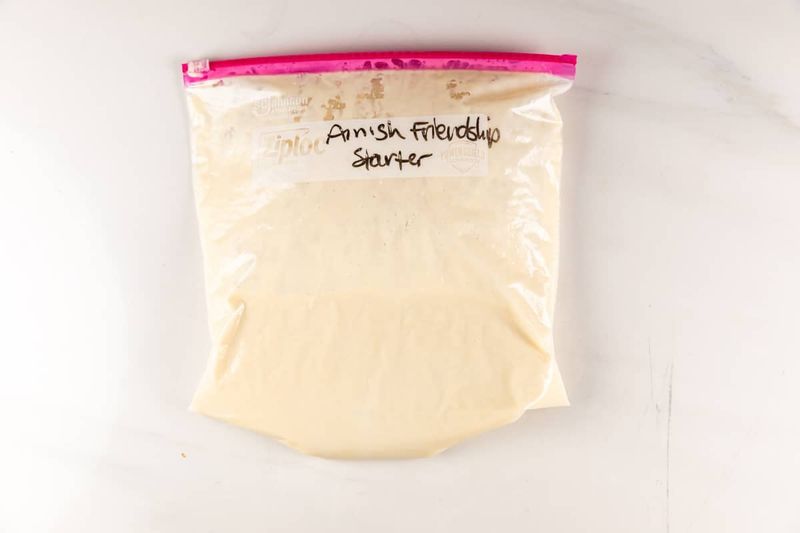
An edible chain letter is how many people describe this tradition. Honestly, that’s a pretty perfect nickname.
Each round of the cycle makes more starter than one kitchen can use. So the extra goes out the door to someone else.
That person feeds it, bakes, and splits it again ten days later. Before long, one bag can reach a whole neighborhood.
The sharing part is the real heart of the tradition. It turns a simple recipe into a small act of kindness.
Bakers traditionally pass bags to friends, neighbors, or anyone in need. A warm loaf and a fresh bag can say ‘thinking of you’ without any speech.
Of course, not everyone wants a new ten-day job. It’s polite to ask first before dropping a bag on someone’s porch.
You can also include a baked loaf with the bag. That way, the person gets a tasty preview of their future.
I like that the gift keeps moving. Nobody owns it, and everybody gets a turn.
Including clear, printed instructions makes a huge difference. A confused friend holding a mystery bag is not the goal.
The Amish Connection Is Fuzzier Than the Name Suggests
Plot twist for your next bake sale. The Amish link in the name is pretty thin.
The exact origins of this bread aren’t fully clear. Food historians point to similar friendship cake recipes in Europe.
Experts say direct ties to the Amish go only so far. The main overlap is the idea of sharing food with the sick and needy.
Elizabeth Coblentz was an Old Order Amish author. She noted that true Amish friendship bread is basically sourdough bread shared for charity.
That’s a far cry from a sugary cinnamon loaf made with pudding mix. Still, the spirit behind it matches nicely.
Amish communities value simplicity, generosity, and helping one another. The German word Gemeinschaft, meaning community, sums it up well.
Pennsylvania is home to the oldest continuous Amish community in the United States. So the name certainly sounds right at home there.
Think of the label as a nod to shared values. It’s less a family recipe and more a friendly tribute.
Either way, the bread tastes the same. History buffs just get a bonus story to tell while it bakes.
Herman, the Starter’s European Cousin
Herman sounds like a grumpy uncle, but he’s actually a cake. In Europe, the Herman Friendship Cake runs on a very similar idea.
Friendship cake recipes like Herman date back to the 1860s. That means passing around a bubbly starter is older than the light bulb.
Both traditions share the same basic plan. You feed the starter, bake with some, and pass the rest along.
Herman even got a name, which makes him feel like a houseguest. Some folks talk to their starter like a pet, and honestly, why not?
In the United States, sharing starter grew popular during the Depression era. Women in communities used it as a smart, thrifty way to share food.
Back then, wasting nothing mattered a lot. A starter that keeps growing was a gift that kept giving.
The cinnamon quick bread recipe we know today showed up in newspapers in the early 1980s. By the early 1990s, it was spreading online too.
So the tradition jumped from kitchens to newsprint to the internet. Not bad for a bag of batter.
Giving your own starter a silly name is totally optional. It does make the daily mashing feel more social, though.
What Actually Comes Out of the Oven
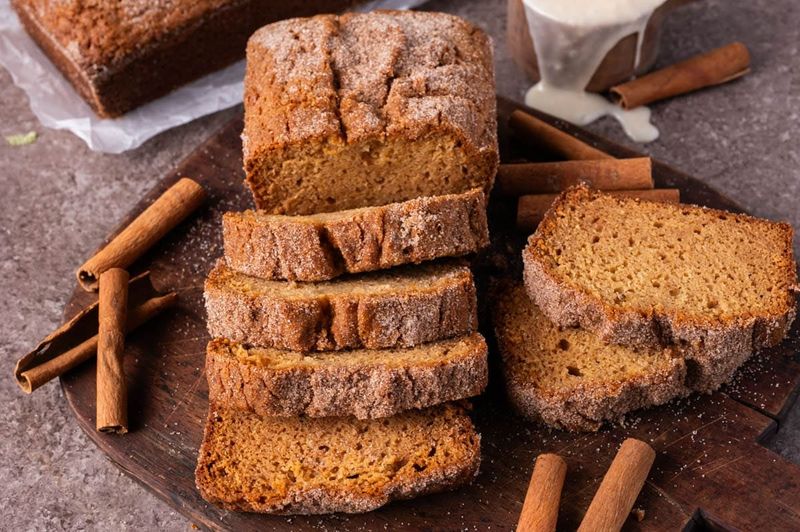
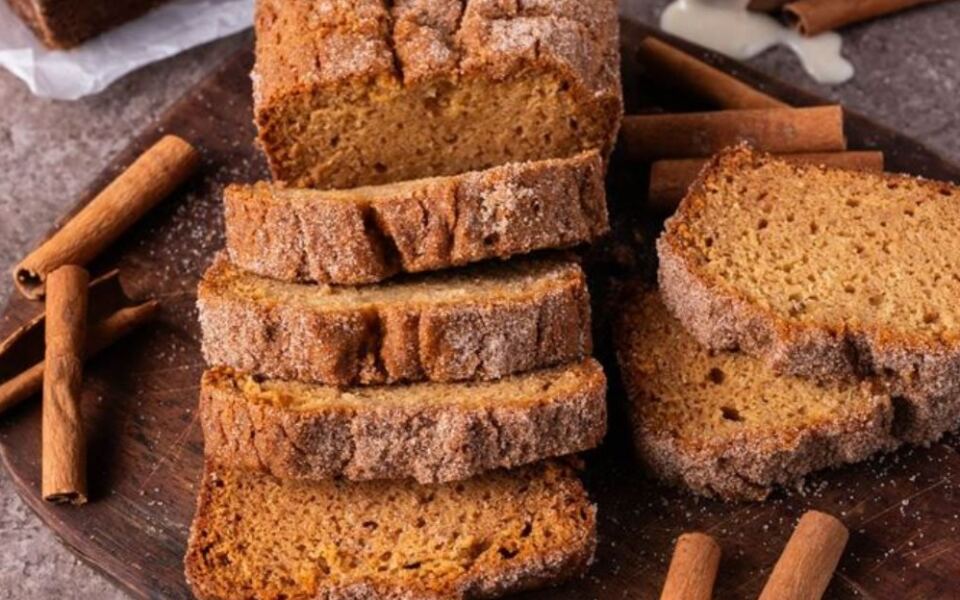
Cake disguised as bread might be the best way to describe it. The starter makes a soft, sweet quick bread often called Amish Cinnamon Bread.
Many people say it tastes like pound cake or coffee cake. That’s a strong argument for eating it at breakfast.
Beyond one cup of starter, typical recipes add eggs, vegetable oil, vanilla, and cinnamon. Baking powder, baking soda, and salt help it rise and balance the flavor.
Instant pudding mix is a popular add-in. It keeps the bread moist and opens the door to new flavors.
Most bakers use loaf pans. Before baking, many dust the pans and tops with cinnamon sugar.
That topping bakes into a sweet, crackly crust. Your kitchen will smell like a cinnamon roll convention.
Because you choose the pudding, the options stretch pretty far. Chocolate, lemon, or pistachio pudding can each change the whole personality of the loaf.
Mix-ins like nuts or chocolate chips are common too. Just don’t overload the batter or the loaf may sink.
One recipe usually makes two loaves. Handy, since one tends to vanish fast.
Keep the Metal Spoons Far Away
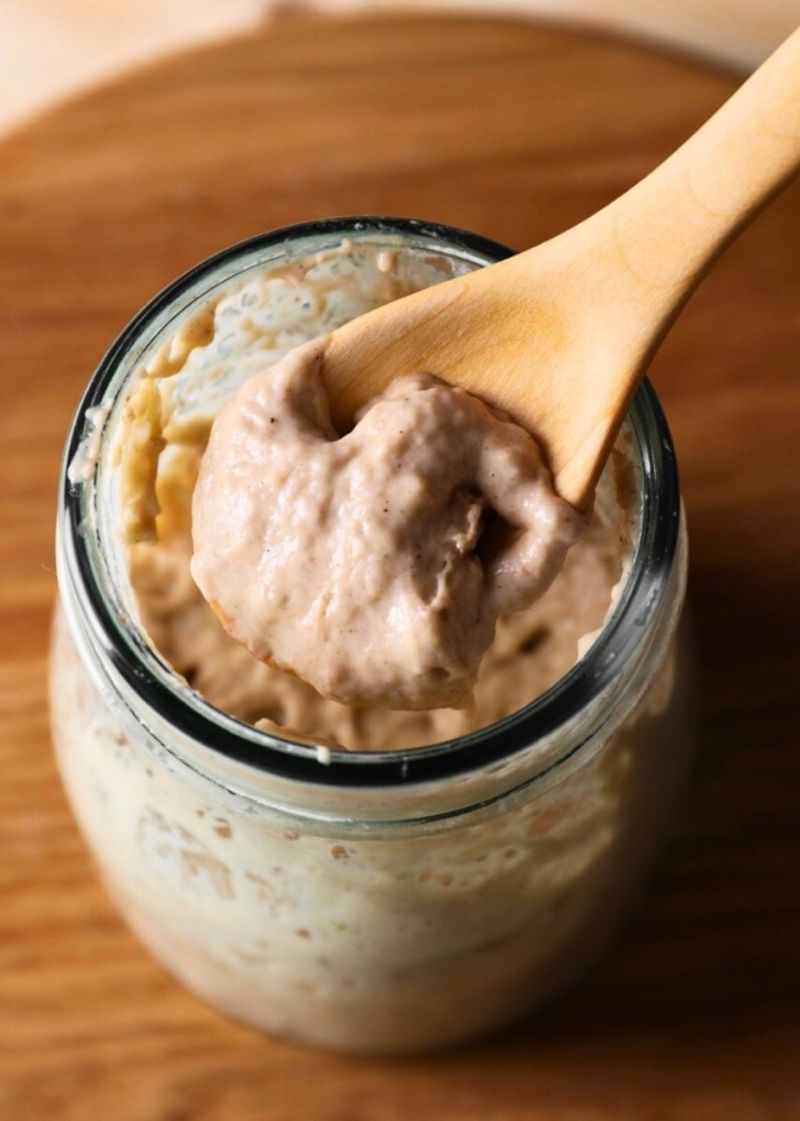
Your favorite metal mixing bowl needs to sit this one out. The starter is acidic, and that acidity can react with certain metals.
Stick with glass or plastic bowls instead. Wooden or plastic spoons work great for stirring.
A gallon-sized zippered plastic bag is the classic home for a starter. It’s easy to mash, easy to label, and easy to hand off.
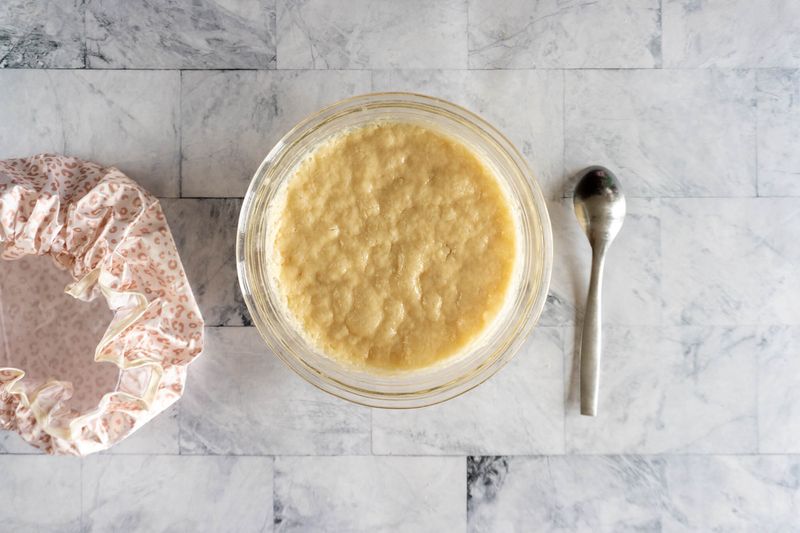
If you prefer a bowl, cover it loosely. The yeast makes gas, and it needs somewhere to go.
That’s also why you should let air out of the bag now and then. Otherwise, it can puff up like a balloon.
Keep the starter at room temperature, not in the fridge. The yeast stays active and does its job best on the counter.
A healthy batch looks bubbly and smells yeasty with a slight sour edge. Those are good signs that everything is working.
Pick a spot away from direct sunlight or the stove. A steady, comfy spot keeps things predictable.
Follow these simple rules, and the starter mostly takes care of itself. Fussy?
Not really, just a little particular.
Clean hands and clean containers matter too. Nobody wants stray crumbs crashing the party.
Need a Break? Your Freezer Has Your Back
Vacations happen, and starters don’t take holidays. Luckily, you can press pause.
Amish Friendship Bread Starter can go into the freezer. It can stay there for a long time, even years.
Freezing puts the yeast into a kind of deep sleep. When you’re ready, you thaw it and wake it back up.
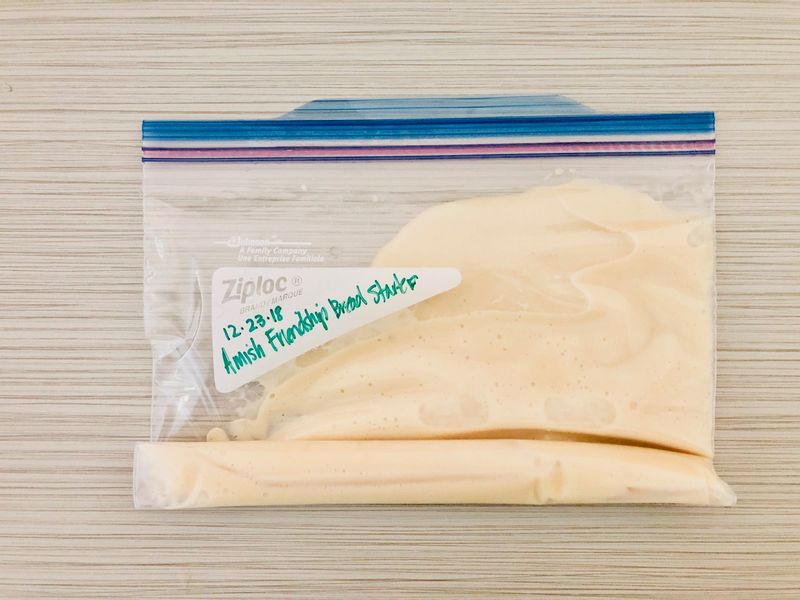
Simply portion the starter into one-cup amounts before freezing. That way, you can grab just what you need later.
Label each bag with the date and the day of the cycle. Your future self will be grateful.
Once thawed at room temperature, the starter should turn bubbly again. Then you pick the cycle back up and keep going.
Frozen bags also make handy gifts. A friend who isn’t ready yet can stash one until life slows down.
I can’t imagine a better backup plan for a busy family. Ten days of mashing feels much easier when there’s an exit door.
The freezer trick also helps if you suddenly have too much starter. Instead of stressing, freeze the extra and relax.
Nobody has to feel guilty about pausing. The basic idea has been around since the 1860s, so a short break won’t hurt it.
Why This Tradition Refuses to Fade
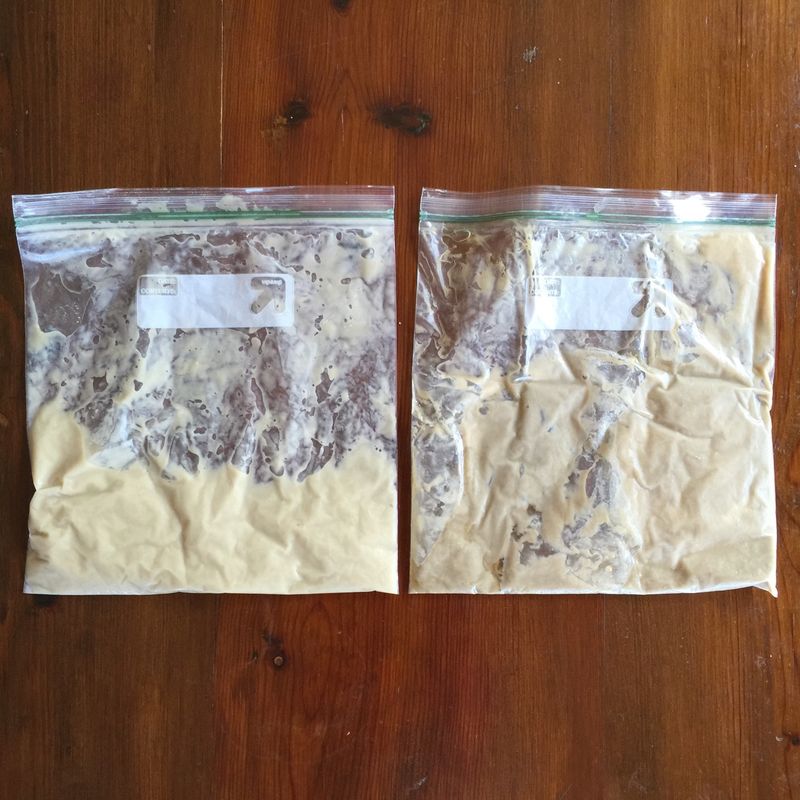
Food writers keep publishing fresh articles about this starter, with new ones appearing from 2022 into 2026. Clearly, the bag isn’t going anywhere.
People still pass the bags from home to home today. It’s a living tradition, in every sense of the word.
Part of the appeal is simple: it’s cheap and easy. Flour, sugar, milk, and yeast aren’t exactly luxury items.
The bigger reason is connection. In a busy world, a bag of starter nudges people to check in with one another.
Handing someone a starter says you trust them with something alive. That’s oddly sweet when you think about it.
The tradition also lines up with values like generosity and mutual aid. Those ideas never go out of style.
Anyone can join in, no matter where they live. You don’t need to be in Pennsylvania or know a single Amish baker.
If a bag lands on your counter, consider it an invitation. Bake the bread, keep a cup, and pass the rest along.
Who knows how far your batch might travel? Somewhere down the line, a stranger may enjoy a loaf because you said yes.
Share this story