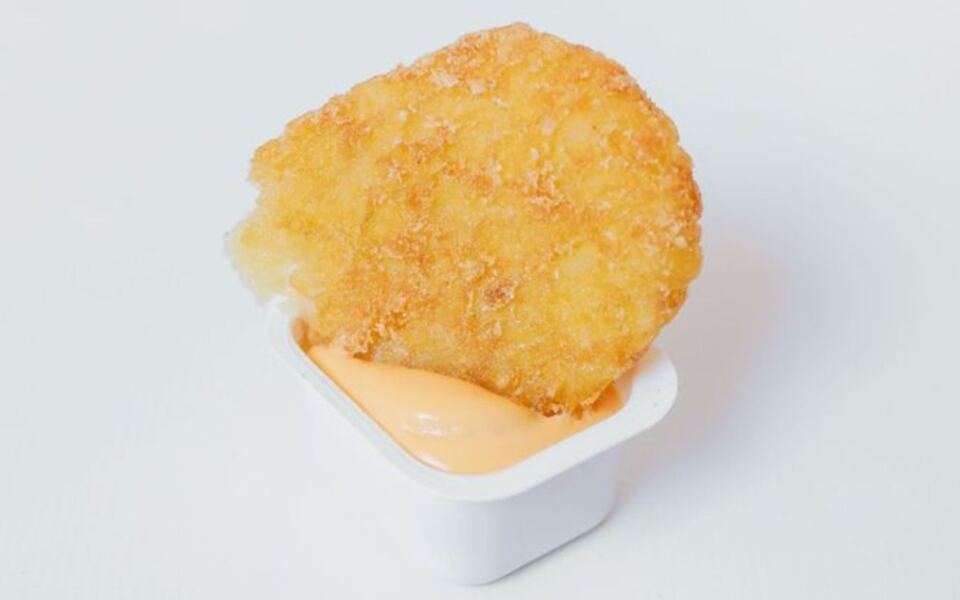
Those famous hash browns start out dried. The shredded potatoes get rehydrated right there in the restaurant before they ever touch the grill.
That detail surprised me more than it probably should have. I always figured the magic came from fresh potatoes and some secret trick.
The real secret is a mix of heat, patience, and a whole language built around toppings. There are nine named styles, and you can stack them however you want.
The chain even claims over 1.5 million possible combinations.
The story began in Georgia, but those crispy piles now show up along highways all over the South. I believe your skillet at home is missing a few key moves.
So what exactly separates a griddle-crisped legend from the soggy potatoes you made last Sunday?
Your Potatoes Probably Started Way Too Fresh
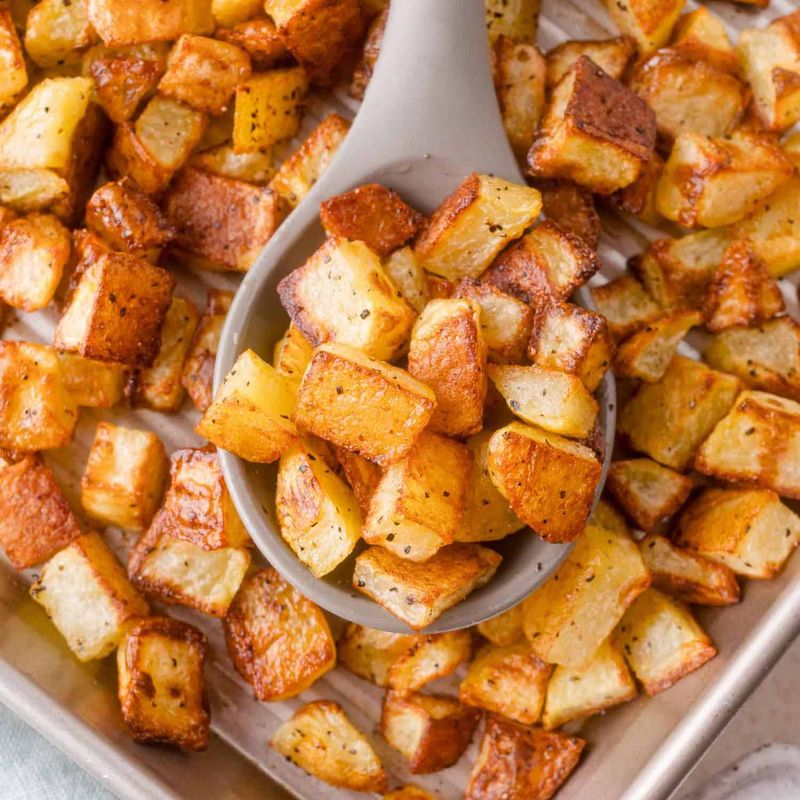
Here’s a twist most home cooks never see coming. Waffle House hash browns begin as dehydrated, shredded potatoes, a lot like the boxed kind sold in grocery stores.
Cooks rehydrate those dried shreds on-site before cooking them. That step sounds almost too simple, but it matters a lot for texture.
Fresh potatoes carry plenty of water and starch. When you shred a raw russet at home, that extra moisture often steams the potatoes instead of letting them brown.
Dried potatoes that get soaked back to life behave differently on a hot surface. They cook more evenly and tend to crisp up without turning into a gluey clump.
So what can you do in your own kitchen? Try picking up a carton of dried shredded hash browns and following the package directions for soaking.
Drain them well before cooking, because standing water is the enemy of crunch. A quick press in a clean towel helps a lot.
It may feel like cheating at first. Still, the most famous hash browns on the highway take the same shortcut, so you’re in good company.
That Flat-Top Griddle Is Doing Heavy Lifting
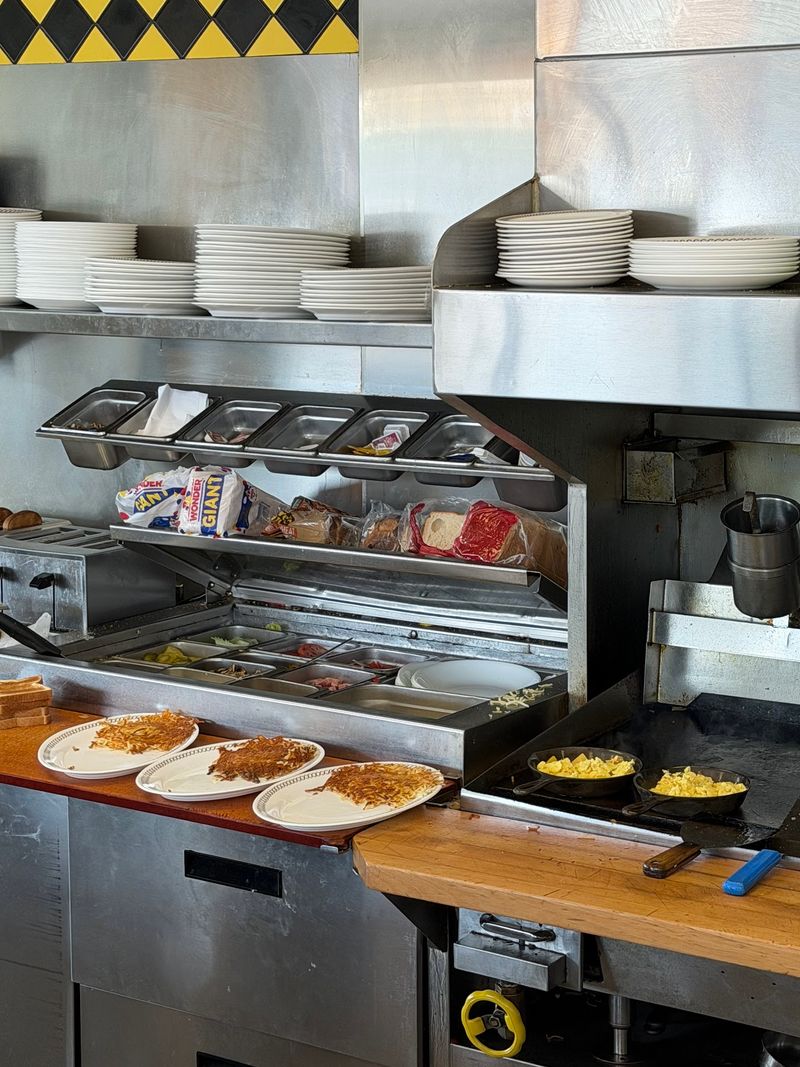
A small nonstick pan just can’t compete with a giant slab of hot steel. Waffle House cooks their hash browns on a very hot flat-top griddle, and that surface changes everything.
A griddle holds heat steadily across a wide space. When cold potatoes hit it, the temperature doesn’t crash the way it does in a crowded skillet.
The potatoes also cook in butter-flavored oil or clarified butter, depending on the source. Either way, the fat coats every shred and helps build that golden color.
At home, you can borrow the idea without buying restaurant gear. A cast-iron skillet or an electric griddle comes surprisingly close.
Preheat it longer than you think you need. Five minutes of patience beats twenty minutes of pale, limp potatoes.
Give the shreds room, too. Cooking in two batches is better than cramming everything into one pan.
Clarified butter is easy to find in many stores as ghee. It handles high heat better than regular butter, which can scorch before your potatoes get crispy.
Good luck going back to plain margarine after that.
Hands Off! The Flip Happens Only Once
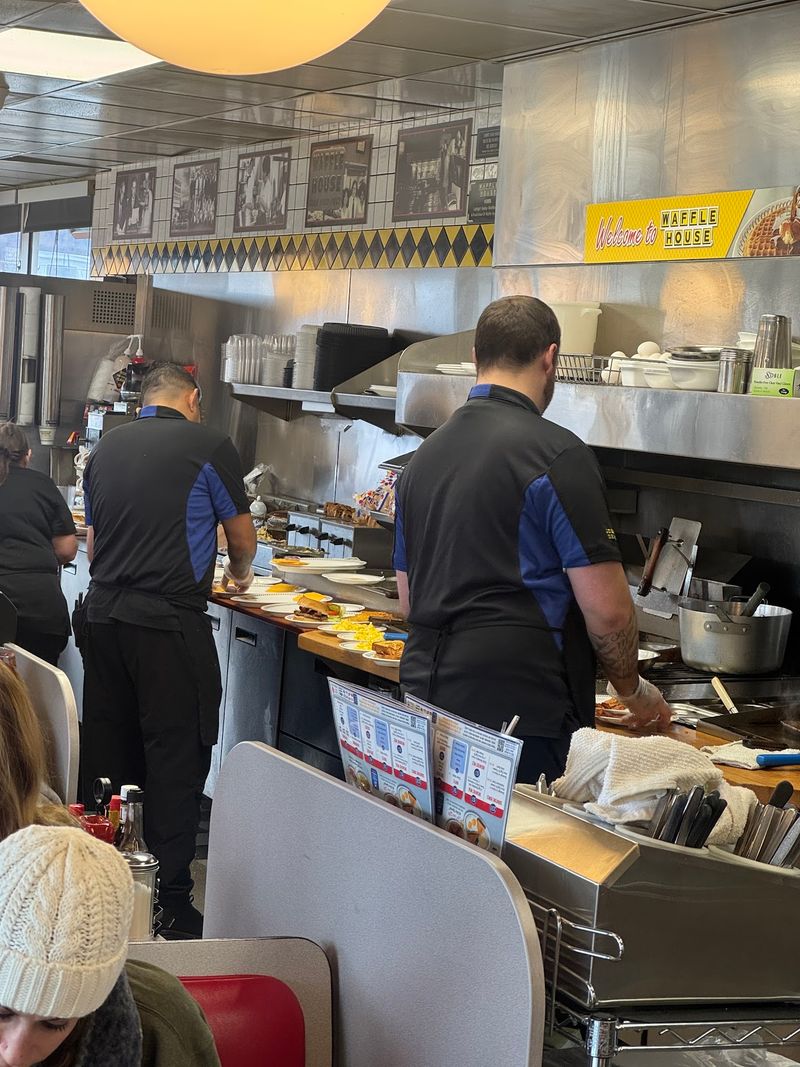
Patience might be the hardest ingredient in the whole recipe. Waffle House cooks press the potatoes lightly with a wide, flat spatula when they first hit the grill.
Then they leave them alone. The potatoes cook undisturbed for several minutes, often around six minutes per side, and get flipped just one time.
Compare that to the way many of us cook at home. We poke, stir, peek, and shuffle the potatoes like they owe us money.
Every time you move the shreds, you break the crust that’s trying to form. The bottom never gets the steady contact it needs to turn golden.
That light press at the start matters, too. It pushes the potatoes against the hot surface so more of them touch the heat.
Try setting a timer and stepping back. Lift one corner after a few minutes to check the color if you can’t resist.
Once the underside looks deep golden, slide your spatula under and flip in one confident move. The result is a shatteringly crisp outside with a soft, fluffy middle.
That contrast is the whole point.
Spreading Them Thin Is Called Scattered
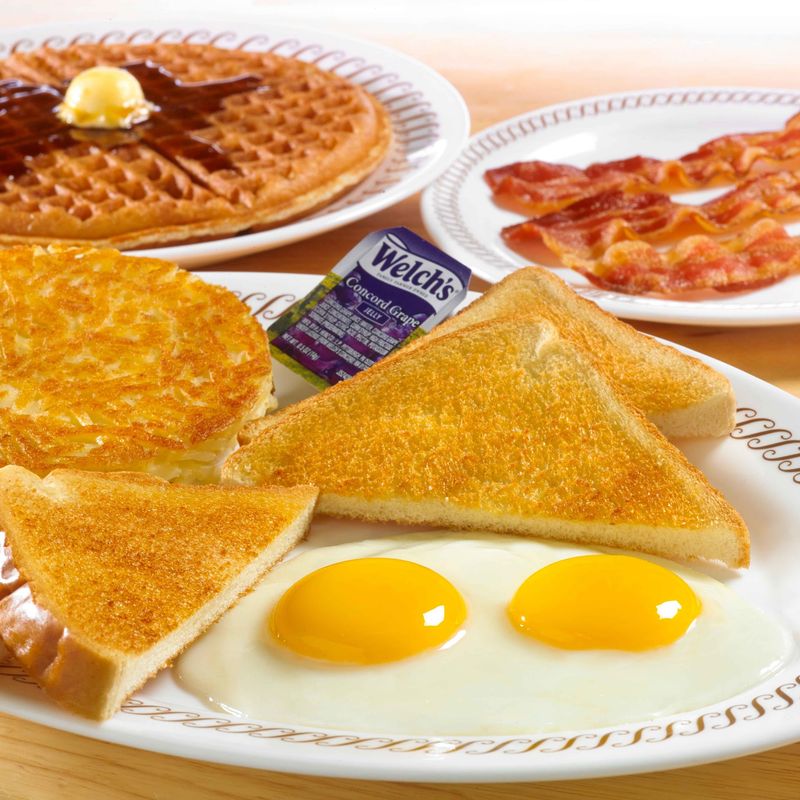
Scattered is the word that kicks off almost every hash brown order. It means the potatoes get spread flat across the grill instead of piled into a thick mound.
That one choice explains a lot of the crunch. A thin layer means more shreds touch the hot surface, and more contact means more crispy edges.
Thick piles at home often end up burnt on the outside and raw in the center. The heat simply can’t reach the middle in time.
Spreading the potatoes thin fixes that problem. Each shred gets its turn against the heat, so the whole batch cooks at about the same pace.
Scattered is the base style, so the toppings get built on top of it. Think of it as the foundation of a house, just a lot tastier.
For your next attempt, use a bigger pan or cook smaller batches. Aim for a layer you can almost see through in spots.
You’ll lose that tall, fluffy look. In exchange, you get lacy, golden edges that crackle when your fork hits them, which feels like a fair trade.
Smothered and Covered Sounds Like a Secret Code
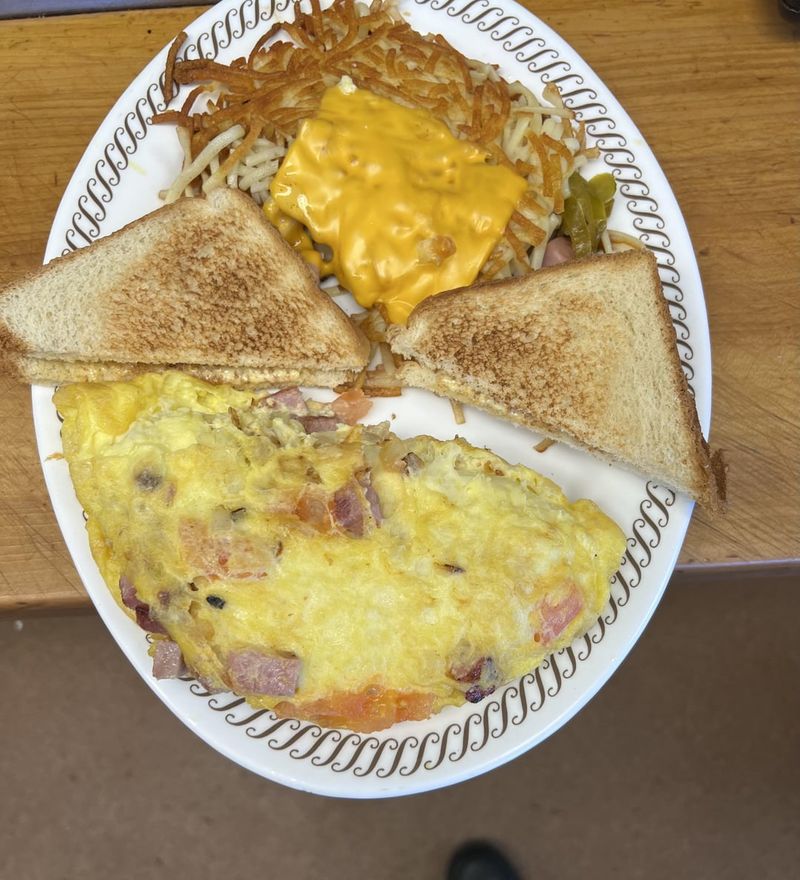
Order smothered and covered, and the cook knows exactly what you mean. Smothered adds grilled onions, while covered adds melted American cheese.
That combo might be the most famous pairing on the menu. Sweet, soft onions and gooey cheese sit right on top of the crispy potatoes.
Notice that the onions get grilled. They’re not raw slices tossed on at the end, so they bring a mellow flavor instead of a sharp bite.
At home, cook your onions first in a separate spot on the pan. Let them soften and brown a little before they meet the potatoes.
American cheese is the classic choice for a reason. It melts smoothly and stays creamy, which some sharper cheeses won’t do.
Lay a slice or two over the hot hash browns near the end of cooking. Cover the pan for a moment so the steam helps it melt.
Fun fact: the hash brown lingo gained popularity in the mid-1980s. Decades later, people still shout these words across diners and grin about it.
Your family breakfast could use a little of that energy.
Ham, Tomatoes, Peppers, and Mushrooms Each Get a Name
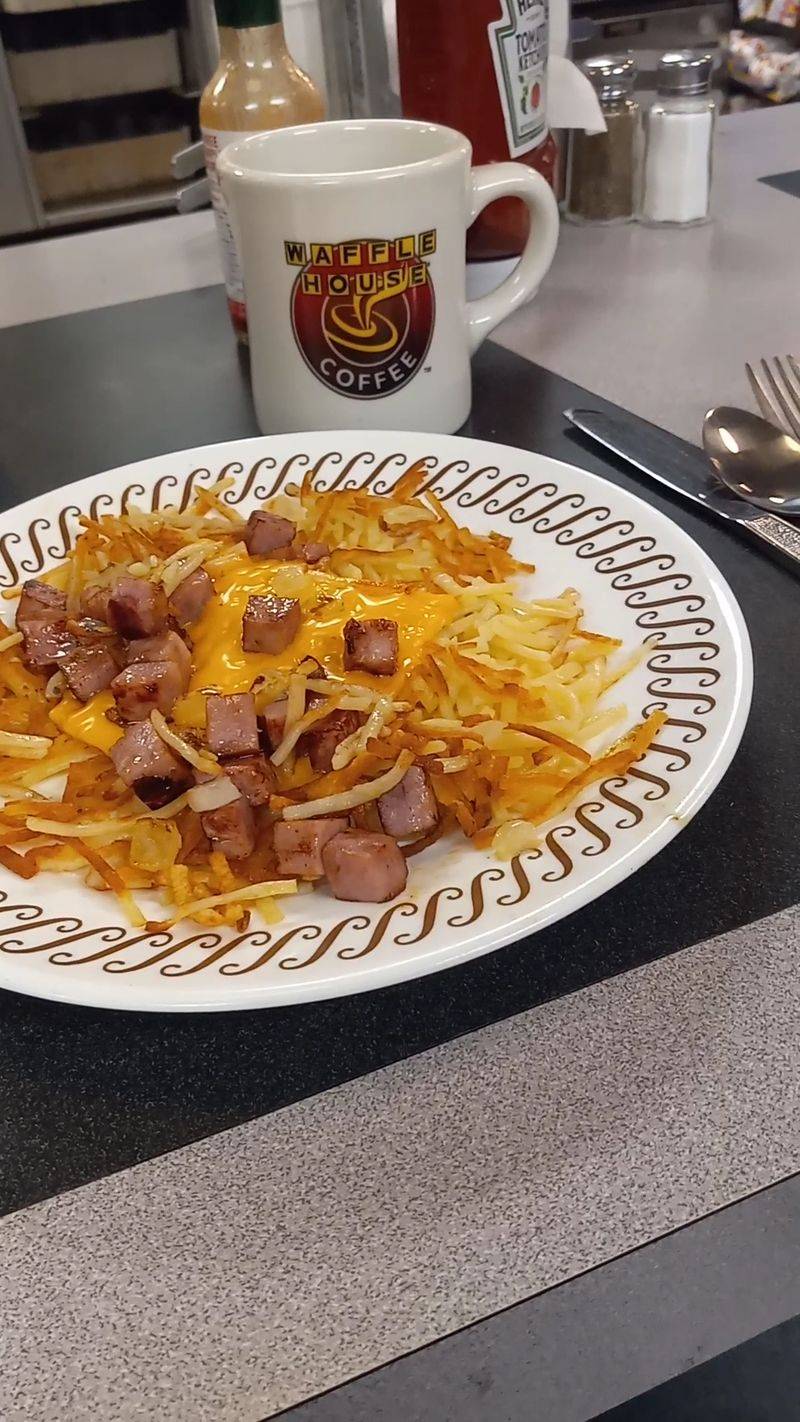
Four more toppings each carry their own one-word label. Chunked means hickory-smoked ham, diced means grilled tomatoes, peppered means jalapeños, and capped means grilled button mushrooms.
I like how every word sounds like an action. You’re not just adding ham, you’re chunking your potatoes.
The naming system does more than sound fun. It lets servers pass detailed orders to the grill quickly and clearly, even during a rush.
Home cooks can steal the organized approach. Prep your add-ins before the potatoes go in the pan, so nothing waits around while your crust is forming.
Grill the ham and mushrooms until they pick up some color. Tomatoes need only a quick warm-up, or they’ll turn mushy.
Jalapeños bring real heat, so start small if spice isn’t your thing. A few slices go a long way.
Want a fun family game? Let everyone order using the official words.
Somebody asking for diced and capped at your kitchen counter is bound to get a laugh, and nobody will forget their order.
Chili and Gravy Turn Breakfast Into a Hearty Meal
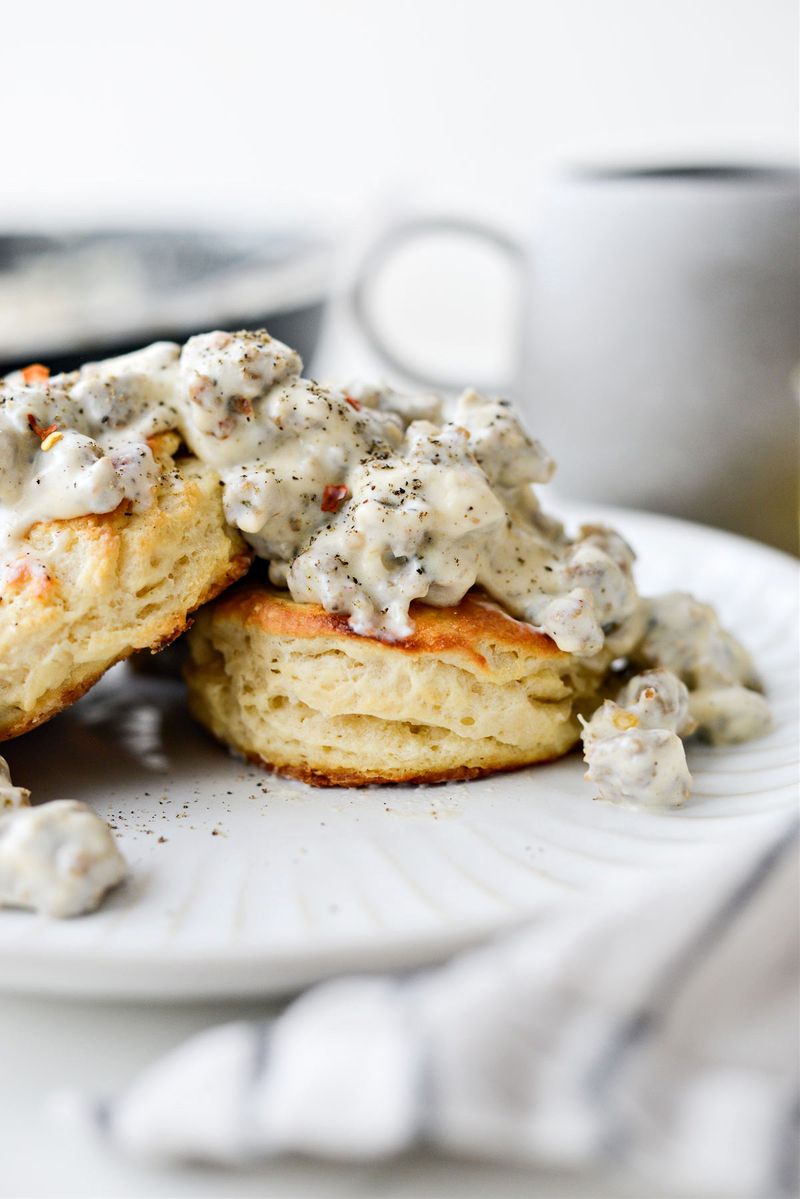
Topped and country are the two heavyweight options. Topped means Bert’s Chili, made with sausage, beans, and other vegetables, while country means Southern-style sausage gravy.
These toppings change the whole mood of the plate. Crispy potatoes suddenly become a full, cozy meal that eats more like dinner.
Here’s a smart trick worth borrowing. Because the base is so crispy, it can handle a heavy sauce without instantly turning to mush.
Soft, undercooked hash browns at home fall apart under gravy. Well-crisped ones hold their shape a lot longer.
So if you want to go the country route, get your potatoes extra golden first. Then spoon the gravy over right before serving.
A simple homemade sausage gravy needs browned sausage, a little flour, and milk. Stir until it thickens, and season with plenty of black pepper.
Leftover chili works wonderfully as a topped-style shortcut. Just warm it up and ladle it on.
Few breakfasts feel as satisfying on a chilly morning, and it’s a clever way to use up what’s already sitting in your fridge.
Going All the Way Is a Real Order
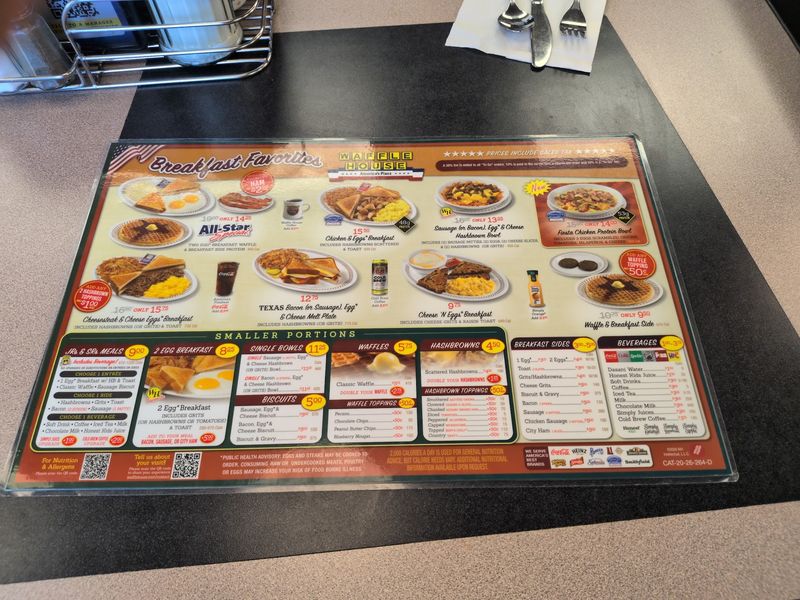
All the way means every single one of the eight toppings piled onto your scattered hash browns. Onions, cheese, ham, tomatoes, jalapeños, mushrooms, chili, and gravy all land on one plate.
That’s a lot of food. It’s also a perfect example of how flexible the whole system is.
You can mix any of the styles together. Smothered, covered, and peppered is a legit order, and so is chunked and capped.
Size options add another layer. Hash browns come in regular, large, which is a double order, and triple.
Cooking choices stretch things even further. Well-done means more time on the grill for a darker crunch, and cooked dry means no oil on the grill.
Add in extra ingredients and condiments, and Waffle House claims there are 1,572,864 possible combinations. That number is wild for a side dish.
At home, the lesson is freedom. Stop thinking of hash browns as one fixed recipe and start treating them like a build-your-own bar.
Set out toppings, let everyone choose, and suddenly your Saturday breakfast feels like a diner adventure.
A Georgia Original That Never Closes
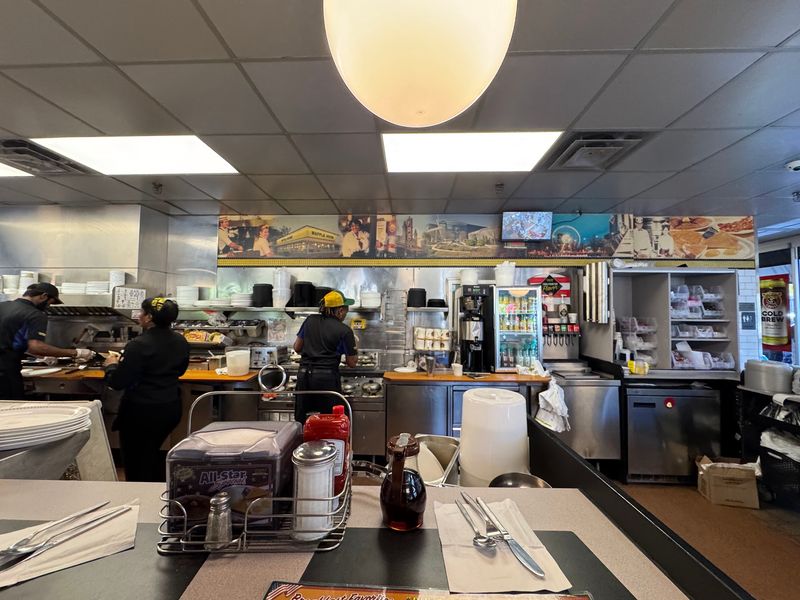
Waffle House opened in 1955 in Avondale, Georgia. Hash browns didn’t join the menu until the 1980s, which might surprise anyone who thinks they’ve always been there.
Today the yellow signs pop up across the southeastern United States and along American highways. Locations stay open 24 hours a day, so those crispy potatoes are available at breakfast or way past midnight.
That round-the-clock schedule helps explain the cooking method. A simple, repeatable process lets cooks turn out consistent hash browns at any hour.
Dried potatoes, a hot griddle, a single flip, and a clear ordering language all work together. Nothing fancy, just a system that’s been refined over decades.
Home cooks can take that same mindset. Pick one method, practice it a few times, and adjust only one thing at a time.
Maybe you try a hotter pan first. Next time, maybe you spread the potatoes thinner or wait longer before flipping.
Soon your kitchen could turn out hash browns worthy of a Georgia griddle. Then again, a late-night drive to a Waffle House still sounds pretty tempting.
Share this story