A Long Island Iced Tea usually contains five alcoholic ingredients, yet tea isn’t one of them, which makes its familiar name a poor guide to what’s actually in your glass. That gap between a drink’s name and its contents is one reason to ask a quick question before ordering.
Sweet mixers, rich cream, and oversized servings can make choosing harder, especially when a menu gives you little beyond a playful name and a colorful picture. I like a fun drink, but I’d rather know whether the bar has the ingredients and setup to make it well before committing to a full glass.
There’s no single bartender rulebook, and no cocktail below is automatically a bad order; the setting, recipe, and preparation matter more than its reputation. Consider these practical reasons to pause, ask what’s inside, and choose something better suited to your taste and the bar.
1. Long Island Iced Tea
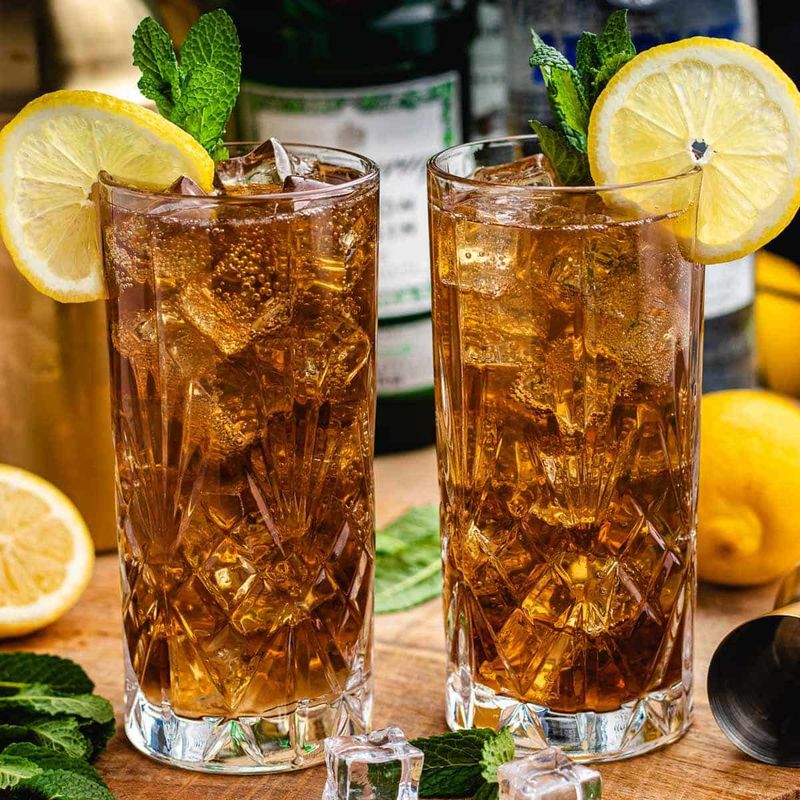
Tea gets top billing in the name without appearing in the usual recipe. Instead, you’re looking at vodka, gin, rum, tequila, orange liqueur, citrus, and a splash of cola.
That long ingredient list makes the finished strength harder to judge by taste. Sweetness and citrus can soften the impression of alcohol without reducing the amount in your glass.
The practical concern isn’t that combining different spirits creates some special chemical problem. Your total alcohol intake, serving size, and drinking pace matter much more than the number of bottles involved.
Recipes and pours vary, so don’t assume one tall glass equals one standard drink. Ask what goes into the house version and whether the menu lists its serving size.
A hurried build can also leave you with poor balance between citrus, sweetness, and spirits. Adding more cola might make that mixture easier to sip, but it doesn’t remove alcohol.
Skip this order when you’re mainly chasing the strongest option for your money. That approach makes it harder to match your drinking to your plans, especially during a long evening.
For something refreshing, consider a clearly described single-spirit highball or an alcohol-free iced tea. Neither choice needs to be dull, and both can make the ingredient list easier to understand.
You can still enjoy this classic when a bar makes a measured version you like. Treat its familiar appearance as presentation, not evidence that the contents are light or gentle.
Before ordering another, pause rather than using the empty glass as your only cue. Eat something, have water, and remember that water doesn’t speed up the body’s processing of alcohol.
The best reason to pass is simple: you wanted a refreshing drink, not uncertainty. Choose a recipe whose contents you understand, then leave the tea impersonation to someone who actually wants it tonight.
2. Mojito
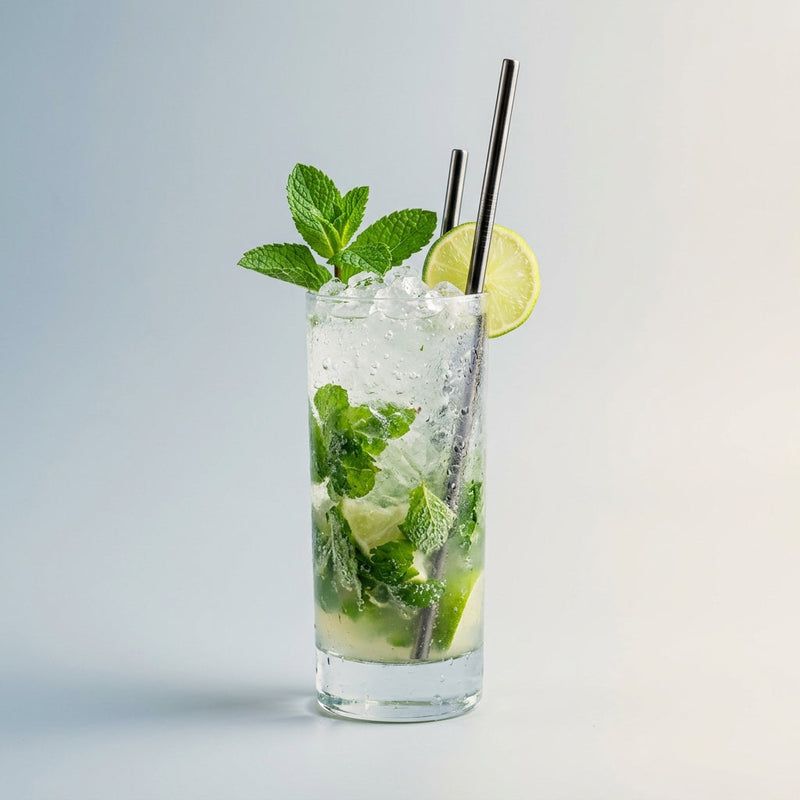
Mint has a job here beyond looking cheerful beside a straw. Its aroma helps define the drink, alongside rum, lime, sugar, soda water, and plenty of ice.
Without fresh mint and a balanced build, you’re ordering something that misses its main attraction. Extra syrup cannot replace that fresh herbal quality, even when the glass looks convincing.
The usual warning about mojitos needing too much work deserves some context. A bar that lists one on its menu should reasonably expect guests to order it during service.
You don’t need to apologize for choosing a listed drink because other people want beers. The better question is whether the bar actually stocks fresh ingredients and prepares this recipe regularly.
At a venue focused on simple mixed drinks, ask whether mint is available before ordering. A quick answer gives you useful information without turning the bartender into a quiz contestant.
Preparation also affects the result, since mint leaves aren’t meant to become garden confetti. Aggressive crushing can release bitter flavors and leave small pieces floating through the drink.
Look for a version that balances lime and sweetness rather than burying both under soda. You can ask for less sweetness, although changing a prepared batch may not be possible.
Pass when the bar offers only a mint-flavored shortcut and you wanted fresh herbs. That substitute isn’t automatically unsafe or unpleasant, but it creates a different drink from your expectation.
A rum and soda with lime offers a simpler alternative when the mint situation looks uncertain. An alcohol-free lime soda also keeps the refreshing part without pretending to be a full mojito.
Order confidently at a place equipped to make one, and judge the actual preparation. The issue isn’t demanding a fancy drink; it’s paying for fresh flavor when the key ingredient has gone missing.
3. Frozen Margarita
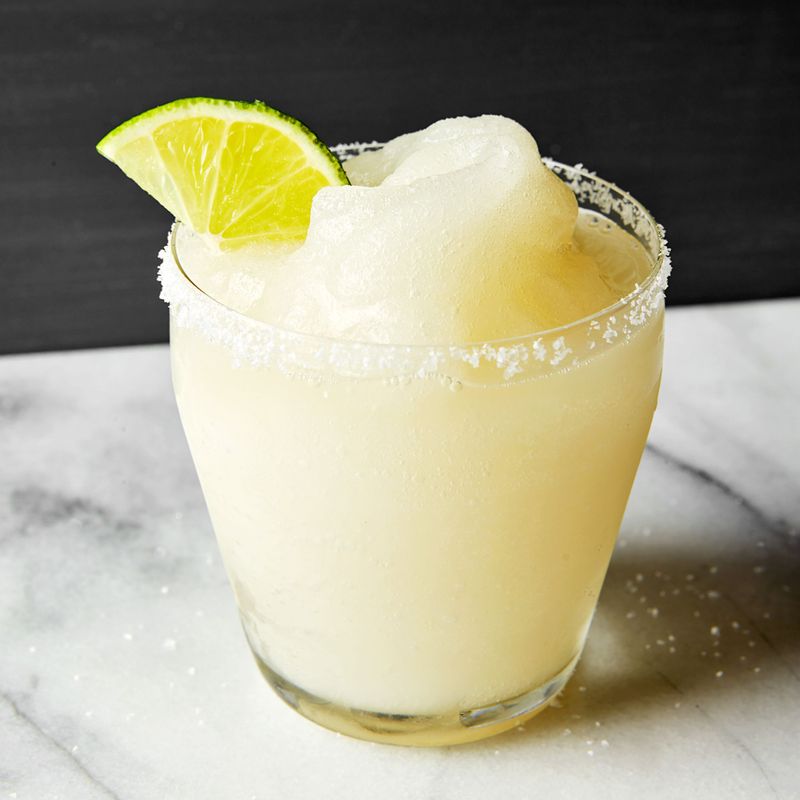
A blender can turn a balanced recipe into slush surprisingly quickly. With a frozen margarita, ice is part of the formula, not simply something keeping your drink cold.
Too much ice can weaken the flavor, while too little leaves a loose mixture. Sugar also affects freezing, which helps explain why frozen recipes differ from versions served over cubes.
Premixed doesn’t automatically mean poor quality, and fresh blending doesn’t guarantee a better result. A carefully prepared batch can work well when the bar manages its recipe and equipment properly.
The reason to pause is uncertainty about what the machine or blender actually contains. Ask whether the margarita uses citrus juice, a prepared mix, or an already sweetened fruit base.
That question matters if you prefer tart drinks or need to avoid a particular ingredient. Asking for less syrup won’t help much when sweetness is already built into the mixture.
Don’t assume the frozen format makes the drink lighter in alcohol, either. Serving sizes and recipes vary, and a large glass can contain more than you expected from its appearance.
A margarita served over ice may be easier to customize when the bar builds each order. You can ask about the citrus and sweetener before deciding whether that version suits you.
Skip the frozen option if staff cannot explain a batch’s ingredients and you have dietary concerns. A clearly described alternative beats guessing about a brightly colored mixture with an appealing name.
Also separate equipment concerns from assumptions based on appearance or internet rumors. You cannot judge a machine’s cleaning schedule just because its contents spin behind a clear plastic window.
Choose the slush when the recipe sounds good and the bar specializes in serving it. Otherwise, order something more transparent about its ingredients and save the tiny umbrella for a better match.
4. Piña Colada
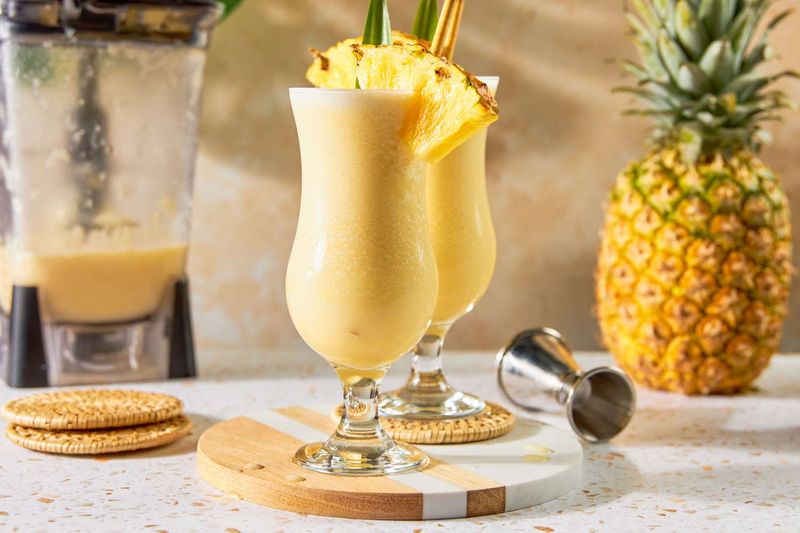
Coconut products can share a shelf without doing the same job. Cream of coconut, coconut cream, and coconut milk differ, which matters when you’re choosing a piña colada.
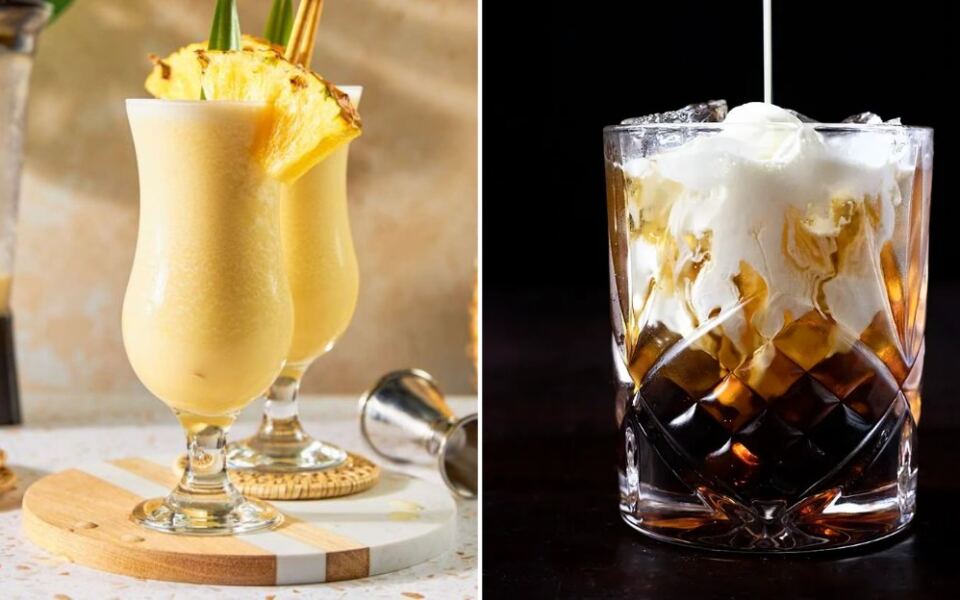
The familiar recipe combines rum, pineapple, and sweetened cream of coconut, often blended with ice. Substituting another coconut product can change the sweetness, richness, and texture of the finished drink.
That doesn’t make creative versions wrong, but the menu should help set your expectations. A lighter variation might please you more than a thick one, provided you know what’s coming.
Before ordering, ask whether the bar blends its own recipe or uses a prepared base. Either method can produce an enjoyable result, though a fixed base offers less room for adjustments.
Requesting no added sugar won’t remove sugar already present in pineapple juice or sweetened coconut ingredients. If that distinction matters to you, ask about the components rather than using a broad label.
Dietary assumptions can cause another mix-up, since the word cream doesn’t always mean dairy. Traditional cream of coconut is coconut-based, but house recipes and packaged mixes may include other ingredients.
For an allergy or dietary restriction, get a clear answer about the actual products used. Shared blenders may also matter, so mention cross-contact concerns before the bartender starts preparing your order.
A piña colada makes less sense when the bar lacks a blender or suitable ingredients. Asking staff to improvise several missing parts can leave you paying for a drink you didn’t want.
Consider pineapple with soda and lime if you’re after fruit flavor without the rich coconut component. For a rum-based alternative, ask what simpler pineapple drink the bar can make from available ingredients.
Keep the colada for a setting that handles its recipe with confidence and clear ingredient information. Your glass should deliver the coconut experience you wanted, not an unexpected guessing game.
5. Ramos Gin Fizz
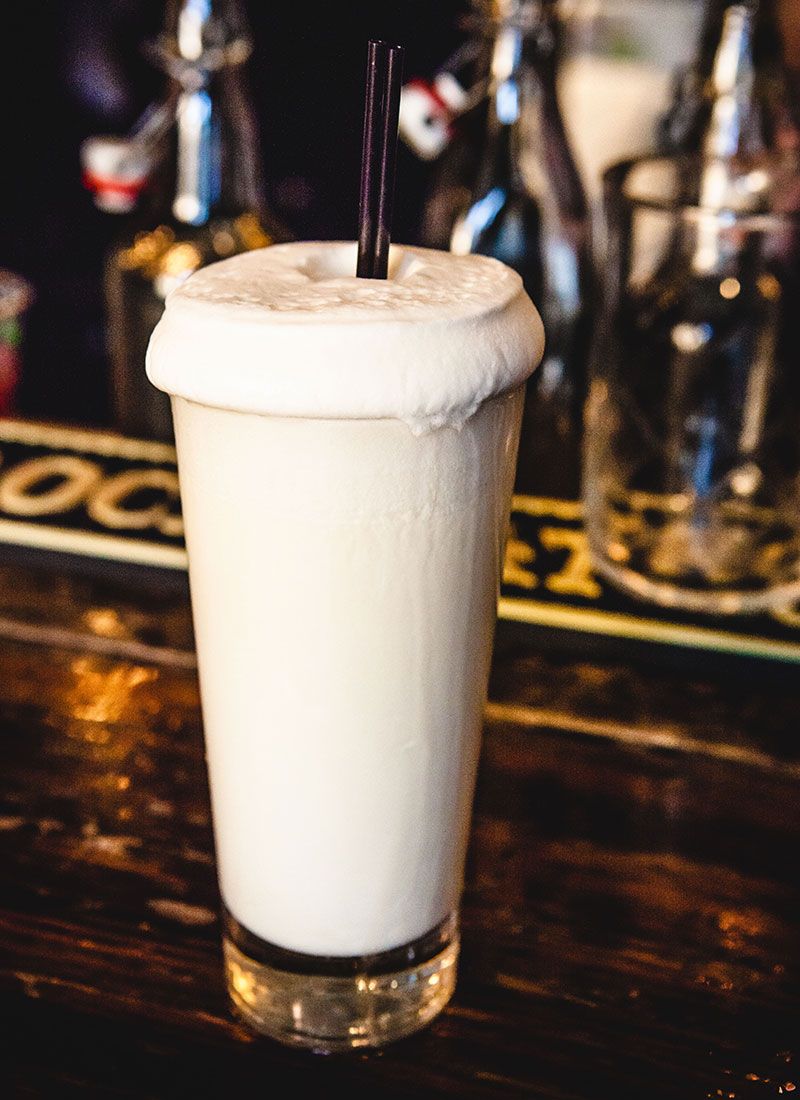
A towering foam cap asks more of a bartender than a splash of soda. The Ramos Gin Fizz combines gin, citrus, sugar, cream, egg white, orange flower water, and carbonation.
Its texture depends on mixing ingredients that don’t naturally turn into a stable cloud. Shaking technique, temperature, proportions, and the final soda addition each influence what arrives in your glass.
That makes this a sensible order at a bar that offers it and knows its preparation. It becomes a gamble when several ingredients are missing or the bartender doesn’t recognize the recipe.
Don’t use the drink as a secret skills test or a way to impress your friends. You are buying something to enjoy, not conducting an unannounced audition across a sticky counter.
Ask whether the bar makes it before requesting changes or describing a version from social media. If the answer is no, choose another drink rather than demanding an improvised foam engineering project.
Raw egg white raises a separate food-safety question that deserves a straightforward answer. Pasteurized egg products can reduce risk, but you should still ask what the bar uses before deciding.
Pregnant people, older adults, young children, and people with weakened immune systems should avoid unpasteurized raw eggs. Alcohol in a mixed drink doesn’t reliably make a raw egg preparation safe to consume.
The cream also matters if you avoid dairy, and egg white remains an egg allergen. A dairy-free or egg-free variation needs a deliberate recipe, not merely removing ingredients after the shaking starts.
For a simpler alternative, ask about a gin fizz without cream or egg. Confirm the house recipe, since related names can hide meaningful differences in ingredients and preparation methods.
Save the elaborate version for a menu that gives it a proper place. A beautiful foam tower is worth ordering when the bar is ready, not when you’re supplying instructions.
6. Espresso Martini
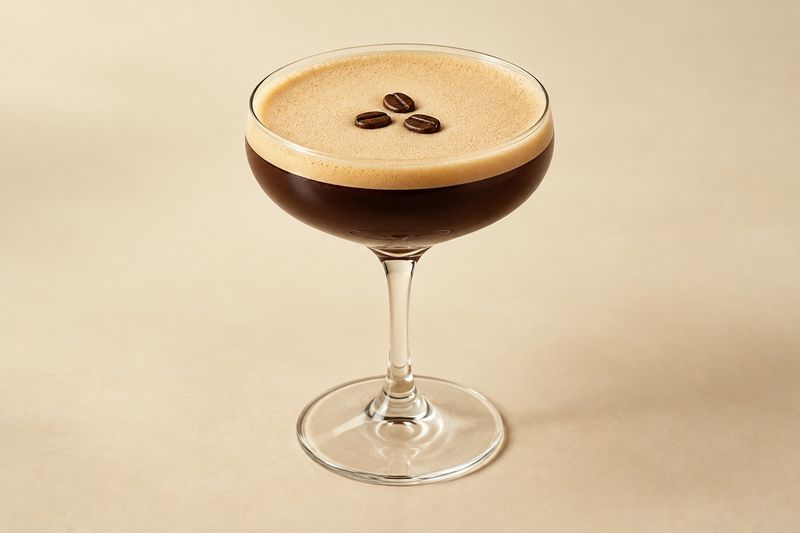
Coffee brings flavor to this drink, not a reset button for your judgment. Caffeine can make you feel more alert, but it doesn’t reduce alcohol’s effects on your body.
A typical espresso martini contains vodka, coffee liqueur, espresso, and sometimes added sugar. The exact recipe affects both sweetness and caffeine, so the name alone won’t tell you the full picture.
Skip it when your main goal is to feel sober enough to continue drinking. Feeling awake isn’t the same as being unimpaired, and coffee doesn’t make driving after drinking safe.
Late timing presents another practical reason to choose something else from the menu. If caffeine disrupts your sleep, a coffee-based drink near bedtime may work against your plans for tomorrow.
Decaf espresso can be an option when a bar has it available, although decaf isn’t completely caffeine-free. Ask about the coffee liqueur too, since changing the espresso doesn’t necessarily remove other caffeine sources.
Equipment matters more than the drink’s fashionable reputation or the garnish floating on top. A bar with a planned coffee recipe is better positioned than one improvising with whatever coffee remains.
Fresh espresso isn’t the only workable method, since a deliberate cold-brew recipe can also succeed. What matters is a balanced formula, not insisting on one preparation simply because it sounds more impressive.
Ask whether the drink leans sweet, strong in coffee flavor, or closer to dessert. Those descriptions help you choose more effectively than requesting the version you saw in a photograph.
When you want the ritual without the caffeine, consider another shaken drink with a clear ingredient list. When you want coffee without alcohol, order coffee and let it do its own job.
Enjoy this choice for its flavor rather than its supposed ability to extend your evening. The foam can look lively without being a permission slip to ignore your limits.
7. Bloody Mary
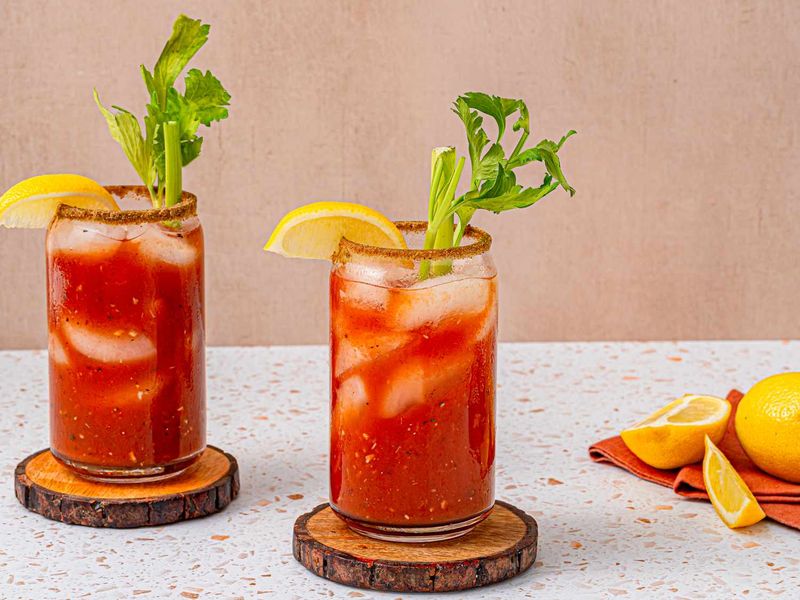
A celery stalk cannot tell you what’s hiding in the tomato mix. A Bloody Mary may include vodka, tomato juice, citrus, hot sauce, Worcestershire sauce, spices, and assorted savory additions.
Those extras make this drink worth checking carefully when you have dietary restrictions. Traditional Worcestershire sauce often contains anchovies, so a seemingly vegetable-focused glass may not fit a vegetarian diet.
House recipes can also contain ingredients such as clam juice or prepared seasoning blends. Don’t assume a red mixture is suitable for you just because the garnish looks like salad.
Ask about the actual base, especially if it comes premixed from a bottle or batch. Staff may be unable to remove one ingredient without replacing the whole mixture, which limits customization.
Salt deserves attention if you’re watching sodium, although amounts vary widely between recipes and serving sizes. Tomato juice, sauces, seasoning, and a salted rim can each contribute to the final amount.
You can request an unsalted rim, but that won’t change what’s already inside the glass. For a specific medical restriction, a drink with clearly identified ingredients may be easier to evaluate.
The famous brunch reputation doesn’t make this a reliable remedy for feeling rough after drinking. More alcohol can delay symptoms rather than solve the underlying problem, so skip the supposed recovery strategy.
Oversized garnishes introduce another mismatch between what you wanted and what you receive. If you’re after a simple savory drink, ask about toppings instead of expecting a snack tower by default.
A smaller tomato-based drink or a clearly described alcohol-free version might suit your plans better. Remember that removing vodka doesn’t remove sodium, allergens, or ingredients already mixed into the base.
Choose the Bloody Mary when you actually want its savory recipe and understand the additions. Brunch should involve pleasant decisions, not surprise anchovies arriving beneath a cheerful piece of celery.
8. White Russian
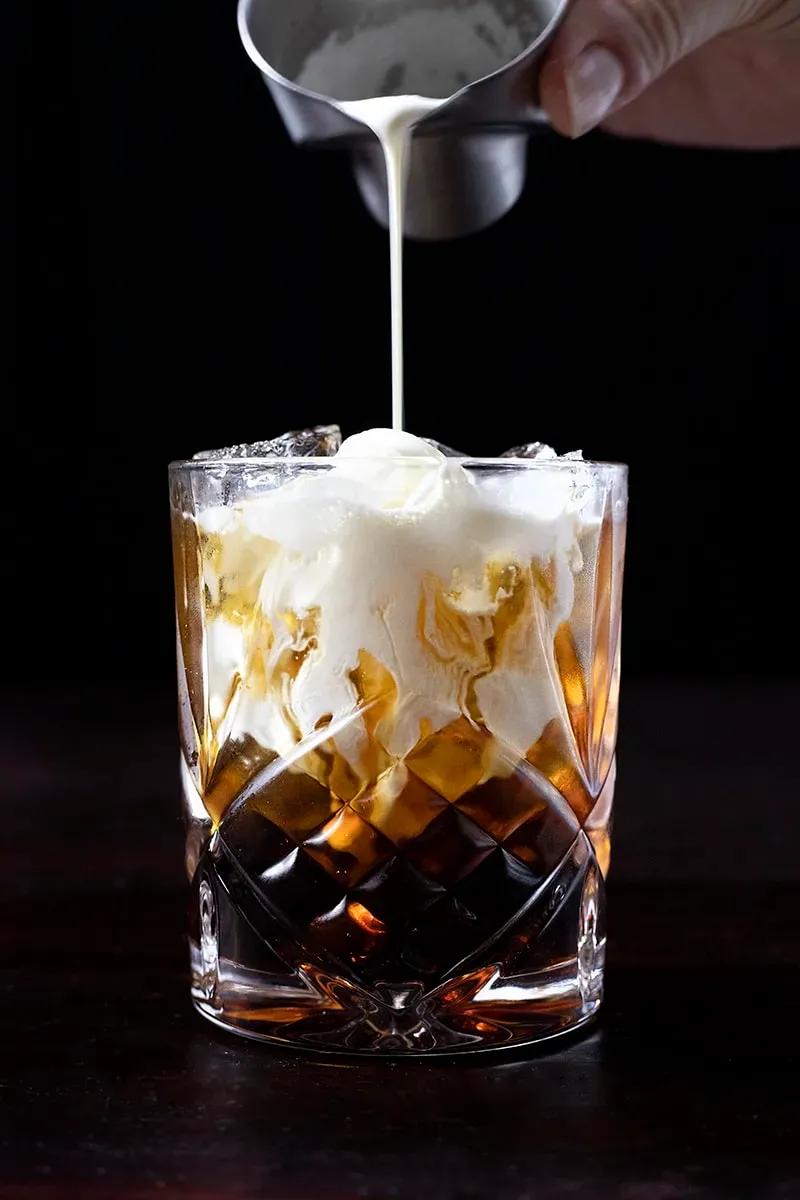
Cream changes the assignment from crisp refreshment to something closer to dessert. A White Russian usually combines vodka, coffee liqueur, and cream over ice, with proportions varying between bars.
That’s an appealing combination when you want richness, but a poor match when you don’t. Ordering by reputation alone can leave you with a glass that feels heavier than your mood.
The dairy ingredient is the clearest reason to pause if you have dietary concerns. Ask what the bar uses, because cream, half-and-half, milk, and plant-based substitutes create different results.
A non-dairy substitution also needs a check of the coffee liqueur and preparation method. Removing one obvious ingredient doesn’t automatically settle an allergy question or make the finished drink suitable for you.
Storage matters for perishable ingredients, but avoid guessing about safety from a room’s style. A polished bar isn’t proof of correct refrigeration, and a plain-looking venue isn’t evidence of poor handling.
You can ask whether cream is available and choose another drink if the answer feels uncertain. There’s no need to accuse anyone of bad practices based on a bottle glimpsed across the counter.
Sweetness presents a separate issue because coffee liqueur contributes sugar before the cream arrives. Asking for no added syrup may change little if the standard recipe doesn’t include extra syrup anyway.
Tell the bartender you want something less sweet or less rich, rather than requesting vague improvements. They may suggest another coffee-flavored drink or explain which adjustments their available ingredients can support.
A Black Russian leaves out the cream, though it still contains vodka and coffee liqueur. That makes it a different option, not an alcohol-free or automatically low-sugar replacement for the original.
Pass when you’re hoping for a light sip between heavier courses or avoiding uncertain dairy ingredients. Choose it when a creamy coffee drink is the point, not an accidental detour.
9. Mai Tai
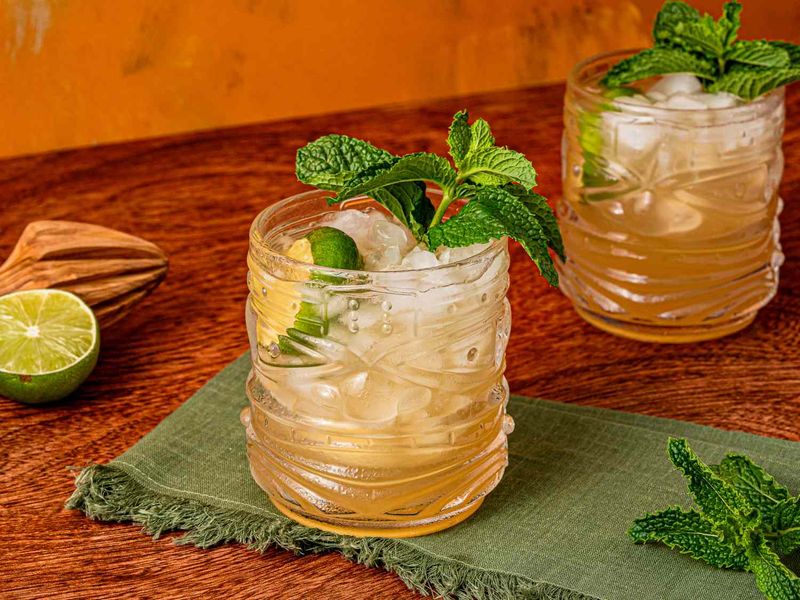
Orgeat is the small ingredient with a surprisingly large role in this order. The almond-based syrup appears in a classic Mai Tai alongside rum, lime, orange curaçao, and additional sweetener.
That combination differs from the fruity mixtures sometimes served under the same familiar name. Pineapple or other juices may appear in house variations, but they aren’t part of the classic template.
A variation can still taste good, so there’s no need to police someone else’s vacation glass. The problem comes when you expect one recipe and pay for a very different one.
Ask whether the house version follows the classic style or uses a fruit-forward mix. That quick distinction tells the bartender more about your preferences than simply asking whether theirs is authentic.
For anyone with a nut allergy, orgeat deserves direct attention before the order goes through. Some products use different ingredients, but you cannot assume a substitute is safe without checking its label.
Other syrups or shared equipment may also affect whether a drink meets your needs. Explain the allergy clearly instead of asking only to remove the garnish or skip one visible ingredient.
Rum selection changes the drink as well, though an expensive bottle doesn’t guarantee better balance. The proportions of citrus, syrup, liqueur, and spirits still need to work together in the glass.
Skip the order when staff cannot explain the house recipe and you want a specific style. A rum and lime drink with clearly described ingredients may be a more satisfying choice.
Don’t use its tropical presentation as a guide to strength or serving size. Crushed ice, mint, and a cheerful garnish reveal little about how much alcohol went into the build.
Choose a Mai Tai where the menu describes it clearly and the ingredients match your needs. Your taste buds can take a holiday without your expectations getting lost in transit.
10. Old Fashioned
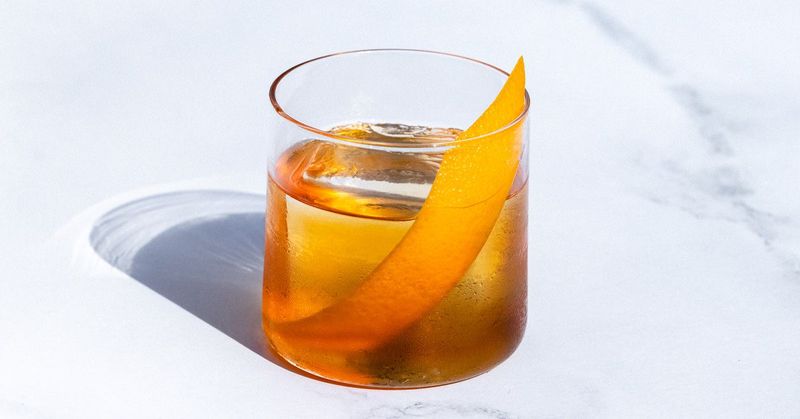
A short ingredient list leaves a surprisingly small place for mistakes to hide. An Old Fashioned typically builds whiskey, sugar, bitters, and water into a drink whose balance depends on careful proportions.
Because the spirit stays prominent, the house whiskey has a major effect on your enjoyment. Ask which bottle the bar uses rather than assuming the menu price tells you its flavor.
You don’t need a rare whiskey to get a satisfying version of this classic. You do need a spirit you enjoy and enough sweetness and dilution to bring the ingredients together.
Water isn’t an unwanted intruder here, since dilution is part of preparing the drink. Asking for no dilution can produce something harsher and less integrated than the recipe was designed to deliver.
Sweetness needs a clear conversation too, because recipes may use syrup or dissolved sugar. Requesting less sweet gives useful direction, while asking for no sugar changes a basic part of the drink.
Regional styles can include muddled fruit, brandy, or added soda, so names don’t guarantee identical contents. Check the house approach before deciding that an unfamiliar version must be a preparation error.
Pass when you don’t enjoy spirit-forward drinks and hope the garnish will transform the flavor. A strip of orange peel adds aroma, but it won’t make whiskey taste like fruit juice.
This also isn’t a useful order for testing whether a bartender deserves your approval. A polite question about their recipe helps more than requesting a classic with a long list of unspoken expectations.
Ask for a longer whiskey drink if you prefer more mixer and a lighter-tasting sip. Keep in mind that adding mixer changes concentration, not the amount of alcohol already poured.
Order the Old Fashioned because you want its simple structure and prominent spirit flavor. When that isn’t your mood, choosing something else shows better judgment than finishing an expensive mismatch.
Share this story